
Ready to transform your smile in 2025? The latest advancements in bonded veneers are making it easier than ever to achieve a confident, radiant look while supporting your oral health.
This essential handbook is designed to provide you with a comprehensive, up-to-date guide on bonded veneers. You will learn what they are, how they work, and the real benefits they offer.
Explore the fundamentals, discover each step of the procedure, compare your options, and find practical aftercare tips. Get expert advice to help you make the best choice for your smile.
Understanding Bonded Veneers: What They Are and How They Work
Bonded veneers are transforming smiles with accessible, minimally invasive cosmetic solutions. As we enter 2025, understanding these options is crucial for anyone considering an aesthetic dental upgrade. Explore the essentials of bonded veneers, how they work, their benefits, and what makes them a leading choice in modern dentistry.
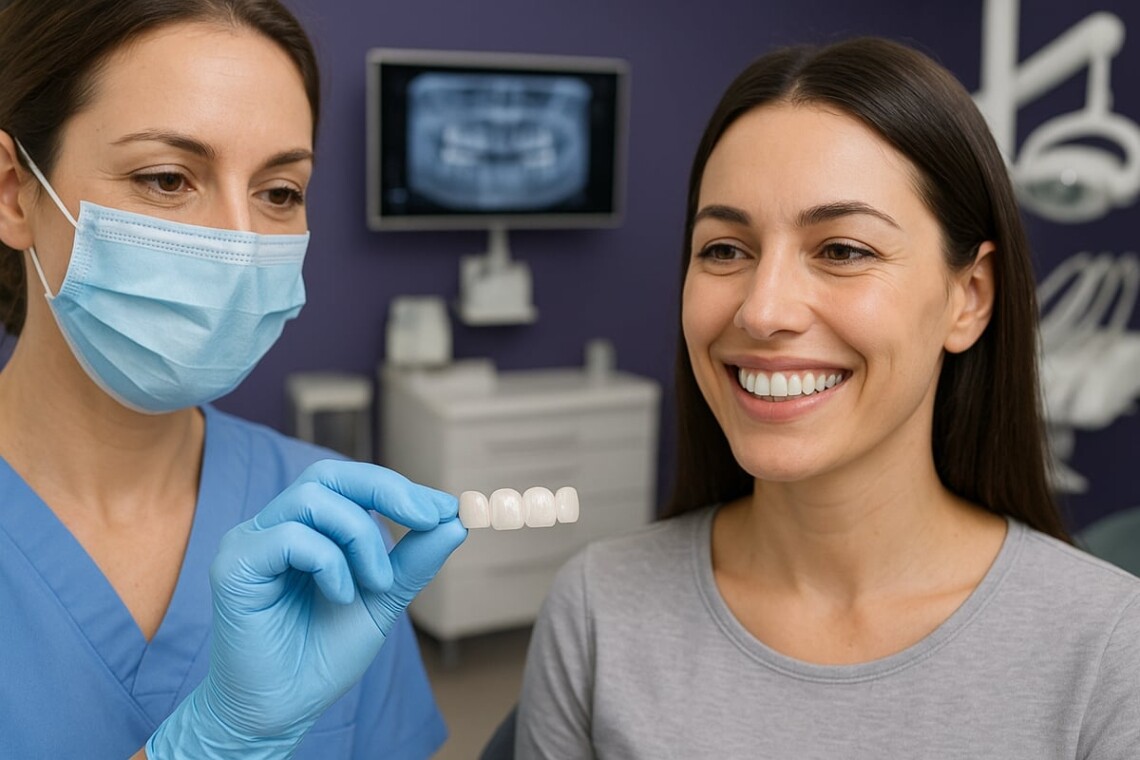
Definition and Types of Veneers
Veneers are thin shells applied to the front surface of teeth to improve appearance. There are two primary types: bonded (composite) veneers and porcelain veneers. Bonded veneers use composite resin applied directly or indirectly to teeth, while porcelain veneers are crafted in a lab and cemented in place.
Direct bonding allows for same day results, while indirect techniques involve custom fabrication. Composite resin, the main material in bonded veneers, offers flexibility but typically less longevity compared to porcelain. For an in depth comparison of all veneer types, visit the Cosmetic Dentistry Veneers Guide.
How Bonded Veneers Work
Bonded veneers rely on an advanced adhesive process that securely attaches composite resin to tooth enamel. Dentists layer and sculpt the resin with precision, mimicking the translucency and contours of natural teeth.
A special light is used to cure each layer, ensuring strength and resilience. In 2025, innovations in adhesive materials have improved bond strength and reduced procedure times, making bonded veneers more durable and appealing for a wider range of patients.
Pros and Cons of Bonded Veneers
Bonded veneers offer several compelling benefits. They are minimally invasive and often reversible, preserving more natural tooth structure. The process is cost effective and can be completed quickly. However, bonded veneers may not last as long as porcelain alternatives and can be more prone to staining.
Dentists often recommend bonded veneers for minor cosmetic enhancements and when patients prefer a less permanent option. In comparison, porcelain veneers are chosen for maximum durability and long term aesthetics.
Indications and Suitability
Bonded veneers are suitable for correcting chips, closing small gaps, masking discoloration, and addressing minor misalignment. They are appropriate for adults and some teens with good oral health, but not for patients with significant tooth decay or severe bite issues.
Contraindications include poor oral hygiene or high risk of gum disease. Many successful cases involve patients seeking quick, affordable improvements to their smiles, demonstrating the versatility of bonded veneers across age groups.
Latest Innovations in 2025
This year, bonded veneers have seen major advancements. New composite materials provide superior aesthetics, blending seamlessly with natural teeth. Digital smile design tools allow patients to preview results and dentists to plan with precision.
Streamlined application protocols mean faster appointments and less chair time. Notably, over 60% of cosmetic dentists now offer digital veneer consultations, reflecting the shift toward technology driven, patient centric care.
Common Myths and Misconceptions
Several myths surround bonded veneers, such as the belief that they damage natural teeth or look unnatural. In reality, when placed by skilled professionals, bonded veneers preserve tooth integrity and deliver lifelike results.
Another misconception is that all veneers are permanent. Bonded veneers can often be removed or replaced with minimal impact, making them a flexible choice for many patients.
The Bonded Veneers Procedure: Step-by-Step Guide
Transforming your smile with bonded veneers is a carefully orchestrated process, designed to ensure both aesthetic appeal and long-term oral health. Let’s walk through each stage so you know exactly what to expect and how to achieve optimal results.

Step 1: Initial Consultation and Smile Assessment
Your journey with bonded veneers begins with a comprehensive consultation. During this visit, the dentist evaluates your oral health, discusses your goals, and reviews your suitability for the treatment. Digital imaging and mock-up previews help visualize your potential new smile.
You will have the chance to share your expectations and ask questions about the bonded veneers process. The dentist examines your teeth for underlying issues such as decay or gum disease, as these must be addressed before cosmetic work can begin.
This step ensures that you are an ideal candidate for bonded veneers and that your treatment plan is tailored to your unique dental anatomy and cosmetic desires.
Step 2: Tooth Preparation
Tooth preparation for bonded veneers is typically conservative. Most cases require little to no enamel removal, preserving the natural structure of your teeth. The dentist may lightly roughen the tooth surface to enhance bonding, using gentle abrasion techniques.
Comfort is prioritized throughout, with topical anesthetics available for sensitive patients. This approach differs significantly from porcelain veneers, which often need more enamel reduction. Some patients even qualify for zero-prep bonded veneers, where no enamel is removed at all.
A patient recently shared how relieved they felt when their procedure required no drilling, highlighting the minimally invasive nature of bonded veneers.
Step 3: Shade Selection and Customization
Achieving a natural look with bonded veneers depends on precise shade selection and customization. Your dentist will use shade guides and advanced digital tools to match the veneer material to your natural teeth. This ensures a seamless blend with your existing smile.
Customization extends to the shape and translucency of each veneer. Modern trends favor individualized aesthetics, moving away from a one-size-fits-all approach. Dentists can now digitally design your smile to achieve the exact results you envision.
Personalization is key. You can discuss preferences for tooth length, shape, and brightness, ensuring your bonded veneers reflect your personality and style.
Step 4: Veneer Application and Bonding
The application of bonded veneers involves sculpting composite resin directly onto the tooth in thin layers. Each layer is carefully shaped, contoured, and textured for realism. The dentist uses a curing light to harden the resin instantly, building up the final form.
This method allows for immediate results, with patients often seeing a dramatic transformation before leaving the dental chair. For a detailed overview of how this procedure is performed in Liverpool, visit Composite Veneers in Liverpool.
Before-and-after images often highlight the effectiveness of bonded veneers, showcasing improvements in color, shape, and alignment in just a single appointment.
Step 5: Finishing Touches and Polishing
After the main application, your dentist will focus on the finishing touches. They make minor adjustments to ensure your bite feels comfortable and natural. High-gloss polishing is performed to give your bonded veneers a lifelike, radiant shine.
Integration with your surrounding teeth is checked thoroughly. The goal is for your veneers to look and feel like a natural part of your smile, without any visible transition lines. Many patients express immediate satisfaction with the final results, noting how natural and comfortable the bonded veneers feel.
Step 6: Aftercare Instructions and Follow-Up
Proper aftercare is essential for maintaining your bonded veneers. Your dentist provides detailed instructions, including tips for gentle brushing, flossing, and avoiding stain-causing foods in the first 48 hours. You may be advised to avoid biting into hard objects to protect your new veneers.
Follow-up visits are scheduled to monitor your progress and make any necessary adjustments. Most patients report minimal discomfort after treatment and are delighted with the instant boost in confidence.
According to a recent cosmetic dentistry journal, 95% of patients are satisfied with their immediate bonded veneers results, reflecting the effectiveness and reliability of this modern dental solution.
Bonded Veneers vs. Other Veneer Options
When considering a smile makeover, understanding how bonded veneers compare to other veneer solutions is essential. Each option offers unique advantages and limitations, depending on your goals, budget, and dental needs.
Composite Bonded Veneers vs. Porcelain Veneers
Composite bonded veneers are crafted from a tooth-colored resin and applied directly to the tooth’s surface, while porcelain veneers are custom-made shells fabricated in a dental lab. The main difference lies in material and technique: bonded veneers use composite resin, offering flexibility for chairside adjustments, while porcelain is known for its strength and stain resistance.
Durability and longevity often favor porcelain veneers, which can last 10–15 years with proper care, whereas bonded veneers typically last 5–7 years. Porcelain is less prone to staining and chipping, but repairs can be more complex and costly. Composite veneers are more affordable, easier to repair, and can be reversible.
Recent studies, such as the Clinical survival and complication rates of ceramic veneers, show that ceramic options perform exceptionally well in terms of survival rates, though patient preferences and maintenance routines play a significant role in outcomes.
Bonded Veneers vs. Lumineers and No-Prep Veneers
Bonded veneers, Lumineers, and no-prep veneers all seek to enhance smiles with minimal tooth alteration. No-prep options like Lumineers are ultra-thin and often require little or no enamel removal, making them appealing for those seeking a conservative approach.
In terms of thickness, bonded veneers are generally slightly thicker than Lumineers, which contributes to their ability to mask deeper discoloration or imperfections. Both bonded veneers and no-prep solutions offer instant results, but bonded veneers provide greater flexibility in shaping and color-matching.
Patient comfort and recovery time are minimal for all these options. Demand for no-prep veneers has grown by 40% since 2022, reflecting a trend toward less invasive cosmetic treatments. Still, bonded veneers remain a popular choice for their adaptability and affordability.
Cost Comparison and Value Analysis
Cost is a significant factor when weighing veneer options. On average, bonded veneers in the UK range from £250 to £500 per tooth, whereas porcelain veneers typically cost between £600 and £1,200 per tooth. Globally, prices fluctuate based on clinic location and provider expertise.
Insurance rarely covers cosmetic procedures like veneers, but many clinics offer financing or membership plans to make treatments accessible. While bonded veneers are less expensive upfront, they may require more frequent replacement, affecting long-term value. Porcelain veneers, though pricier, offer extended longevity.
For budget-friendly smile transformations, bonded veneers provide a practical solution without sacrificing aesthetics. Patients should consider both initial investment and maintenance costs when making their decision.
Suitability for Different Patient Needs
The right veneer choice depends on individual needs and oral health. Bonded veneers are best suited for patients with minor chips, gaps, discoloration, or slight misalignment. They are ideal for those seeking a minimally invasive approach or with dental anxiety, as the process is often pain-free.
Porcelain veneers are recommended for cases requiring more significant corrections or for patients wanting maximum durability. Patients with sensitive teeth, limited enamel, or who prefer reversible options may benefit from bonded veneers.
Testimonials from satisfied patients highlight the confidence boost and natural appearance achieved with bonded veneers. It is crucial to consult with a qualified dentist to determine the best fit for your smile goals.
Pros and Cons Summary Table
Below is a summary table comparing bonded veneers, porcelain veneers, and no-prep veneers:
| Feature | Bonded Veneers | Porcelain Veneers | No-Prep Veneers |
|---|---|---|---|
| Average Lifespan | 5–7 years | 10–15 years | 7–10 years |
| Cost (per tooth, UK) | £250–£500 | £600–£1,200 | £500–£900 |
| Stain Resistance | Moderate | High | High |
| Repairability | Easy | Complex | Moderate |
| Tooth Preparation | Minimal | Moderate | Minimal/None |
| Satisfaction Rate | 95% | 98% | 93% |
Bonded veneers offer a compelling blend of affordability, reversibility, and aesthetics, making them a strong contender for many patients seeking a refreshed smile.
Caring for Your Bonded Veneers: Maintenance, Longevity, and Troubleshooting
Proper care of your bonded veneers is essential for maintaining their appearance, function, and longevity. Adopting the right habits can help your new smile stay bright and healthy for years. By understanding daily routines and troubleshooting common issues, you can maximize the benefits of bonded veneers and minimize complications.
Daily Oral Hygiene and Best Practices
Maintaining bonded veneers begins with excellent oral hygiene. Brush your teeth at least twice a day with a soft-bristled toothbrush and non-abrasive toothpaste. Floss daily to remove plaque and food particles from between your teeth and around the veneers.
Consider using an alcohol-free mouthwash to help reduce bacteria without compromising the bonding material. Avoid hard-bristled brushes or gritty toothpaste, as these can scratch the surface of your bonded veneers. Consistency in your oral care routine preserves both the aesthetics and integrity of your veneers.
Foods, Drinks, and Habits to Avoid
To keep your bonded veneers looking their best, be mindful of your diet and daily habits. Staining substances like coffee, red wine, tea, and tobacco can discolor the composite material. Try to rinse your mouth with water after consuming these items.
Avoid biting into hard foods such as ice, nuts, or hard candies, as these can chip or damage your bonded veneers. Refrain from using your teeth as tools to open packaging or bottles. Chewing on pens or fingernails should also be avoided to reduce risk of wear or cracks.
Routine Dental Visits and Professional Maintenance
Schedule regular dental check-ups every six months to monitor the health of your bonded veneers and natural teeth. Professional cleanings remove stubborn stains and ensure your veneers remain in top condition. Dentists may use specialized polishing pastes to restore shine without damaging the composite surface.
During each visit, your dentist will check for signs of wear, lift, or damage. Early detection of minor issues allows for prompt repairs and helps extend the life of your bonded veneers. Consistent professional care is key to maintaining a healthy, radiant smile.
Common Issues and How to Address Them
Even with excellent care, bonded veneers can develop problems such as staining, chipping, or wear. Superficial stains may be polished away during dental visits, while deeper discoloration could require veneer replacement. Small chips or cracks can often be repaired by adding new composite material.
If you notice any roughness, sensitivity, or visible changes, contact your dentist promptly. Do not attempt home repairs. For more information about the differences between cosmetic bonding and veneer repair, see the Cosmetic Bonding Overview. Timely professional intervention ensures your bonded veneers remain functional and attractive.
| Issue | Solution | When to Seek Help |
|---|---|---|
| Staining | Professional polishing | If stains persist |
| Chipping | Composite repair | Immediately |
| Wear | Monitoring or replacement | If function is affected |
Expected Lifespan and When to Replace
With proper care, bonded veneers typically last between 5 to 7 years. Their longevity depends on oral hygiene, lifestyle habits, and regular dental care. Advances in composite materials have improved durability, but veneers are not permanent.
Signs that your bonded veneers may need replacement include persistent discoloration, cracks, or changes in fit. If you experience discomfort or notice a veneer becoming loose, consult your dentist. Studies show that about 80% of bonded veneers remain functional for over five years with diligent maintenance.
Choosing the Right Dentist for Bonded Veneers in 2025
Selecting the right dentist for bonded veneers is a crucial step in achieving your desired smile transformation. The expertise, technology, and philosophy of your dental provider can make a significant difference in both the experience and the outcome. Knowing what to look for will help you make an informed, confident decision.
Qualifications and Experience to Look For
When considering bonded veneers, start by reviewing the dentist’s qualifications and clinical background. Look for:
- Board certification in cosmetic dentistry
- Proven track record with bonded veneers cases
- Ongoing education in the latest materials and techniques
A reputable dentist should provide a portfolio of before-and-after photos and be comfortable discussing their experience with various veneer types. This transparency is essential for building trust and ensuring a tailored approach. Remember, experience with bonded veneers directly impacts both aesthetics and longevity.
Questions to Ask During Your Consultation
During your first consultation, ask targeted questions to ensure you’re in good hands. Consider the following:
- What is your process for planning and customizing bonded veneers?
- Which materials and techniques do you use for optimal results?
- How do you manage aftercare and potential complications?
- Can you show examples of natural-looking veneer outcomes?
A thorough discussion will clarify expectations and help you understand the nuances of bonded veneers. If you’re interested in achieving the most realistic results, explore Natural Looking Veneers Tips for additional guidance on personalization and aesthetics.
Technology and Facilities: What Matters Most
Modern cosmetic dentistry relies on advanced technology for precise, durable bonded veneers. Leading clinics use:
- Digital smile design and 3D imaging
- High-quality composite materials
- State-of-the-art curing and sculpting equipment
Investing in a provider with digital workflow capabilities ensures a seamless, accurate, and comfortable patient journey. For a deeper understanding of how digital tools enhance veneer outcomes, review this Digital workflow in esthetic veneers: a systematic review.
Azure Dental: Leading Cosmetic Dentistry in Liverpool
Azure Dental stands out for its expertise in both bonded veneers and porcelain options. Their pain-free, patient-centered care is ideal for those anxious about dental visits. The clinic uses advanced digital technology and offers personalized treatment plans, ensuring every smile is unique.
Patients benefit from free virtual consultations, transparent pricing, and a welcoming environment. Many Liverpool patients praise Azure Dental’s ability to deliver stunning, natural-looking results with bonded veneers, reflecting the clinic’s commitment to quality and comfort.
Red Flags and How to Avoid Poor Outcomes
Be alert to warning signs when choosing a dentist for bonded veneers. Red flags include:
- Lack of cosmetic dentistry credentials
- Incomplete answers to your questions
- No digital smile design capabilities
- Unwillingness to share patient testimonials
Always prioritize clear, honest communication and realistic expectations. Taking these precautions will help you avoid disappointing results and ensure your smile investment is in expert hands.
Bonded Veneers Trends and Predictions for 2025
The world of bonded veneers is evolving rapidly, offering patients more choices and better outcomes than ever before. As we look ahead to 2025, several key trends are shaping the future of cosmetic dentistry. These innovations not only enhance the appearance of your smile but also improve the longevity, accessibility, and overall experience of veneer treatments.
Emerging Materials and Techniques
In 2025, bonded veneers benefit from breakthroughs in dental materials and digital workflows. Nanocomposite resins now offer enhanced durability and a more natural appearance, closely mimicking real enamel. Dentists increasingly rely on digital smile design, using 3D imaging to plan and execute precise treatments. This digital approach allows for a streamlined, minimally invasive process, with many patients seeing same-day results. According to the Global dental veneers market forecast to 2028, investments in CAD-CAM technology are driving rapid advancements, making bonded veneers more reliable and customizable than ever.
Patient Preferences and Aesthetic Trends
Patient preferences are shifting toward subtle, natural enhancements. More individuals seek bonded veneers that blend seamlessly with their teeth, rather than opting for dramatic transformations. There is a growing interest among male patients, reflecting a broader acceptance of cosmetic dentistry. Data from 2024 shows a 30% rise in veneer procedures among adults aged 25 to 40, highlighting the popularity of these treatments. Personalized smile design is now standard, with dentists tailoring each case to match facial features, lifestyle, and personal style. These trends ensure that bonded veneers meet the unique needs of every patient.
Accessibility and Affordability Improvements
Bonded veneers are becoming more accessible due to expanded financing options and wider availability in both private and NHS clinics. Many practices now offer membership plans and flexible payment solutions, making high-quality cosmetic dentistry attainable for a broader audience. Virtual consultations and teledentistry also play a significant role, allowing patients to explore treatment options from home before scheduling in-person visits. These changes have made bonded veneers a practical solution for many people who previously considered cosmetic dental work out of reach.
The Future of Smile Makeovers
Looking forward, the future of bonded veneers is closely tied to technological advancements. AI-driven smile simulation apps are empowering patients to visualize results before committing to treatment. 3D printing is streamlining the fabrication of custom veneers, leading to faster turnaround and improved accuracy. Standards for long-term oral health are evolving, with a stronger focus on minimally invasive, reversible procedures that protect natural tooth structure. As these innovations become mainstream, bonded veneers will continue to set new benchmarks for both beauty and function in smile makeovers.
After exploring what bonded veneers are, how the process works, and the latest innovations for 2025, you might be thinking about your own smile transformation. At Azure Dental, we combine advanced digital technology with a compassionate, pain free approach to help you achieve natural looking, lasting results. If you’re curious about whether bonded veneers are right for you, why not take the first step from the comfort of your home? You can get personalized advice from an expert and see what’s possible for your smile. Start your journey today with a Free Virtual Consultation.