
Ready to unlock your dream smile in 2025? Modern advances in cosmetic dentistry veneers are helping people everywhere boost their confidence and improve oral health.
This complete guide gives you the facts you need about cosmetic dentistry veneers. You will learn about the different types, the latest procedures, costs, aftercare, and how to decide if they are right for you.
We’ll explain what veneers are, who can benefit from them, and highlight the most innovative veneer technologies available this year. You’ll find step-by-step treatment details, cost breakdowns, and answers to common questions.
Discover how these solutions can correct chips, stains, gaps, and more, all tailored to your unique smile. Use this guide to prepare for your consultation and take the first step toward your ideal smile.
Understanding Cosmetic Dentistry Veneers: Foundations & Benefits
Cosmetic dentistry veneers are transforming the way people achieve beautiful, healthy-looking smiles. These advanced dental solutions offer a blend of artistry and science, making them a top choice for those seeking natural, long-lasting improvements. In 2025, cosmetic dentistry veneers are more versatile and accessible than ever, meeting a wide range of aesthetic needs and lifestyle goals.
What Are Veneers?
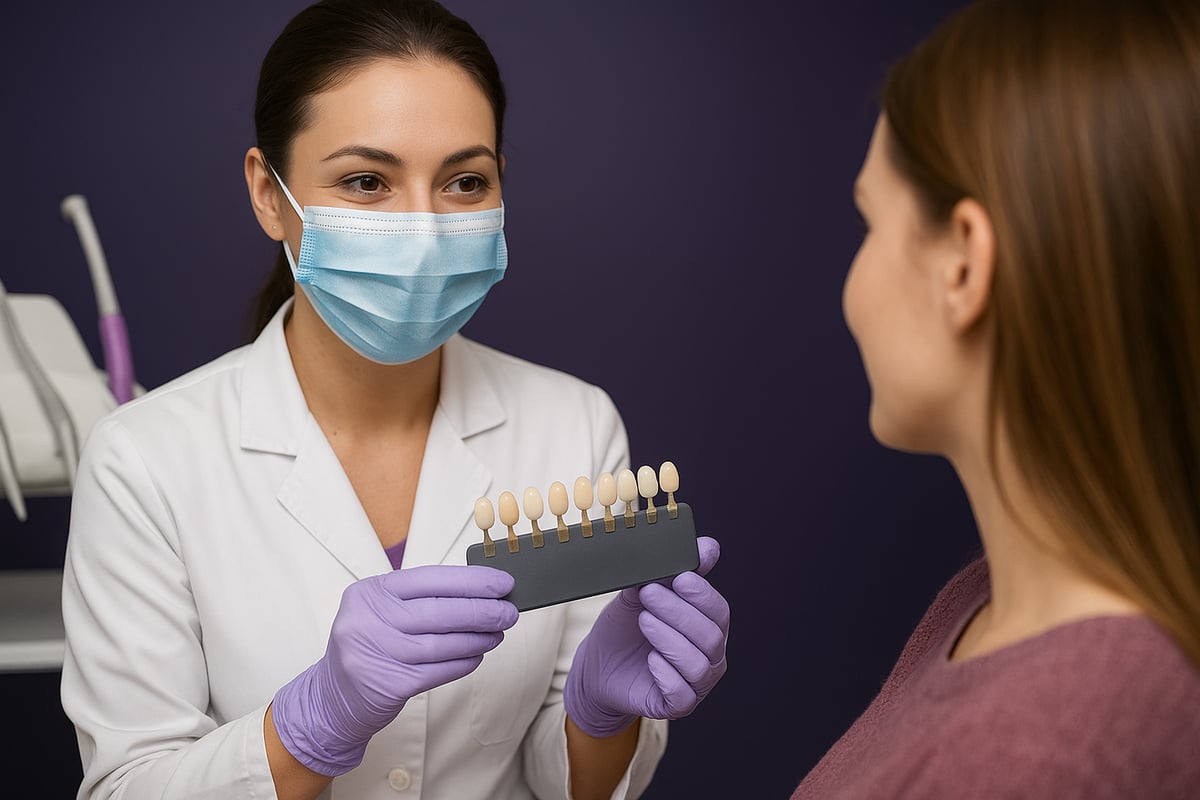
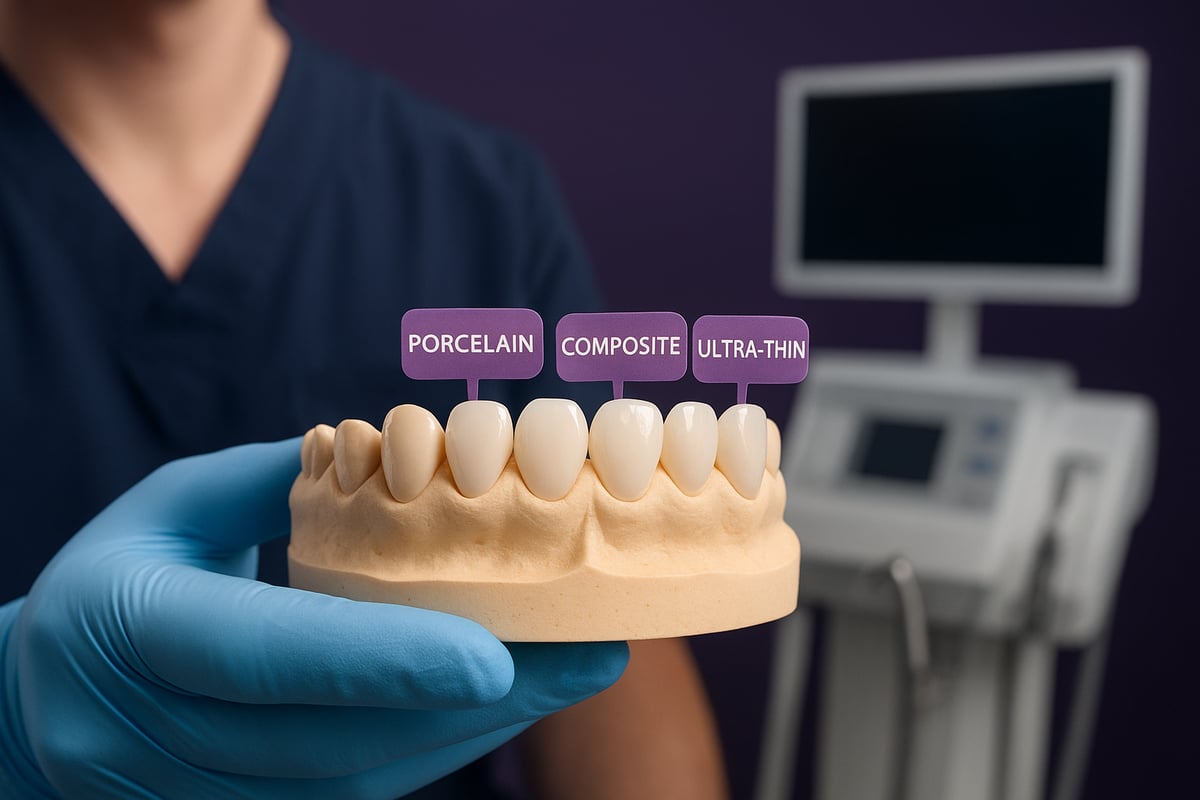
Cosmetic dentistry veneers are thin, custom-made shells designed to cover the front surface of teeth. Crafted from materials like porcelain, composite resin, and ultra-thin ceramics, veneers closely mimic the translucency and shade of natural teeth. Their durability allows them to withstand daily wear while maintaining a lifelike appearance.
Porcelain veneers are highly regarded for their strength and resistance to stains. Other options, such as composite resin, offer affordability and single-visit convenience. Veneers are remarkably versatile, used to correct stained, chipped, misaligned, or gapped teeth. According to Porcelain dental veneers in Formby, veneers provide a straightforward solution for various dental imperfections. In cosmetic dentistry veneers, material selection and customization are essential for achieving seamless, natural-looking results.
Who Is a Good Candidate for Veneers?
Ideal candidates for cosmetic dentistry veneers typically have healthy teeth and gums, free from active gum disease or significant decay. Adults and some teens seeking to improve the shape, color, or alignment of their teeth often benefit most. The procedure is not suitable for individuals with severe bite problems or insufficient enamel.
Patients with worn, discolored, or chipped teeth often see the greatest improvements. Cosmetic dentistry veneers are best for those with realistic expectations and a commitment to maintaining oral health. A thorough dental assessment will confirm if veneers are the right option for your specific needs.
Key Benefits of Veneers in 2025
Cosmetic dentistry veneers in 2025 offer an instant transformation, sometimes referred to as “instant orthodontics.” New techniques enable minimally invasive application, such as no-prep veneers that preserve more of the natural tooth. These advancements mean less discomfort and faster results for patients.
Key benefits include enhanced confidence, improved aesthetics, and increased social or professional opportunities. Cosmetic dentistry veneers deliver long-lasting results with proper care, often lasting a decade or more. Each veneer is custom-crafted to match your smile, ensuring personalized, beautiful outcomes.
Issues Addressed by Veneers
Cosmetic dentistry veneers address a wide range of dental concerns. They can close small gaps, repair chips or cracks, and mask severe discoloration that whitening cannot fix. Veneers are also effective for correcting minor misalignments and irregular tooth shapes.
Case studies consistently show dramatic improvements in smile aesthetics after veneer placement. Most commonly, cosmetic dentistry veneers are applied to the upper front teeth, maximizing visual impact. However, they are not a substitute for orthodontics in cases of significant bite or alignment issues.
Veneers vs. Other Cosmetic Solutions
When comparing cosmetic dentistry veneers to other options, several advantages stand out. Veneers require less removal of natural tooth structure than crowns, helping preserve healthy enamel. Unlike bonding, veneers are more durable and resistant to staining from coffee, tea, or wine.
Here’s a quick comparison:
| Solution | Tooth Preservation | Durability | Stain Resistance |
|---|---|---|---|
| Veneers | High | 5–15 years | Excellent |
| Crowns | Moderate | 10–15 years | Good |
| Bonding | High | 3–5 years | Fair |
| Whitening | Very High | Varies | Good |
Cosmetic dentistry veneers provide a balanced combination of longevity, natural appearance, and minimal invasiveness, making them a preferred choice for comprehensive smile enhancement.
Types of Cosmetic Dentistry Veneers in 2025: Materials & Innovations
Choosing the right type of cosmetic dentistry veneers is crucial for your smile transformation in 2025. With several materials and new technologies available, understanding your options helps you make an informed choice. Explore how each veneer type compares and discover the latest innovations shaping modern smiles.
Porcelain Veneers
Porcelain veneers remain the most popular choice for cosmetic dentistry veneers in 2025. These thin, custom-crafted shells are bonded to the front of teeth, offering a lifelike appearance that closely resembles natural enamel.
Porcelain is highly stain-resistant and offers exceptional durability, often lasting 10 to 15 years with good care. The process typically requires some enamel removal to ensure a perfect fit and natural look. Patients choose porcelain veneers for their ability to deliver dramatic, long-lasting smile improvements.
Dental experts, including Aspen Dental and Cosmetic Dentistry of SA, regard porcelain as the gold standard due to its outstanding aesthetics and strength. If you seek a premium, transformative option, porcelain may be the ideal solution for cosmetic dentistry veneers.
Composite Resin Veneers
Composite resin veneers are a versatile and budget-friendly option within cosmetic dentistry veneers. Made from tooth-colored resin, these veneers are skillfully applied in layers directly onto the teeth and then sculpted for a flawless finish.
Unlike porcelain, composite veneers are usually completed in a single dental visit, making them convenient for busy patients. They are easier to repair if damaged, though their typical lifespan is 5 to 7 years, which is shorter than porcelain.
Composite resin works well for minor corrections, such as chips or discoloration, and is an accessible choice for those seeking affordable cosmetic dentistry veneers without sacrificing aesthetics.
Ultra-Thin & No-Prep Veneers (e.g., Lumineers)
Ultra-thin and no-prep veneers, such as Lumineers, have gained popularity for their minimally invasive approach to cosmetic dentistry veneers. These veneers are crafted from advanced ceramics and are so thin that little to no enamel removal is needed.
This makes the procedure more comfortable and, in some cases, reversible if patients wish to return to their natural teeth. Ultra-thin veneers are ideal for individuals with sufficient enamel and minor cosmetic concerns, offering a gentle path to smile enhancement.
Brands like Lumineers lead this trend in 2025, reflecting a shift toward preserving natural tooth structure while achieving beautiful results with cosmetic dentistry veneers.
Snap-On (Removable) Veneers
Snap-on veneers represent a non-permanent solution within cosmetic dentistry veneers. Custom-made to fit over your existing teeth, they provide instant improvement in appearance without any permanent changes to tooth structure.
These veneers are affordable and convenient, making them a popular choice for special events or as a trial before committing to a permanent solution. However, snap-on veneers are not designed for long-term wear and should not replace fixed veneers for lasting results.
For those seeking a quick, temporary boost in confidence, snap-on options offer a flexible introduction to cosmetic dentistry veneers.
Latest Innovations in Veneer Technology
Advancements in veneer technology have revolutionized cosmetic dentistry veneers in 2025. Digital smile design and 3D printing now deliver unparalleled precision and personalized results. Enhanced shade-matching systems ensure each veneer blends seamlessly with your natural teeth.
Biocompatible materials improve comfort and longevity, while minimally invasive techniques reduce discomfort and speed up recovery. Many modern clinics offer trial “smile test drives,” allowing you to preview your results before final placement.
For a deeper look at the trends shaping this field, explore 2025 Cosmetic Dentistry Trends, which highlights the latest breakthroughs and patient preferences in cosmetic dentistry veneers.
The Cosmetic Veneer Process: Step-by-Step in 2025
Embarking on a cosmetic dentistry veneers journey in 2025 is a streamlined, patient-focused experience. From your first consultation to your final smile reveal, each step is guided by precision, comfort, and the latest technology. This section breaks down the process, so you know exactly what to expect and how to prepare for your best results.
Step 1: Initial Consultation & Smile Design
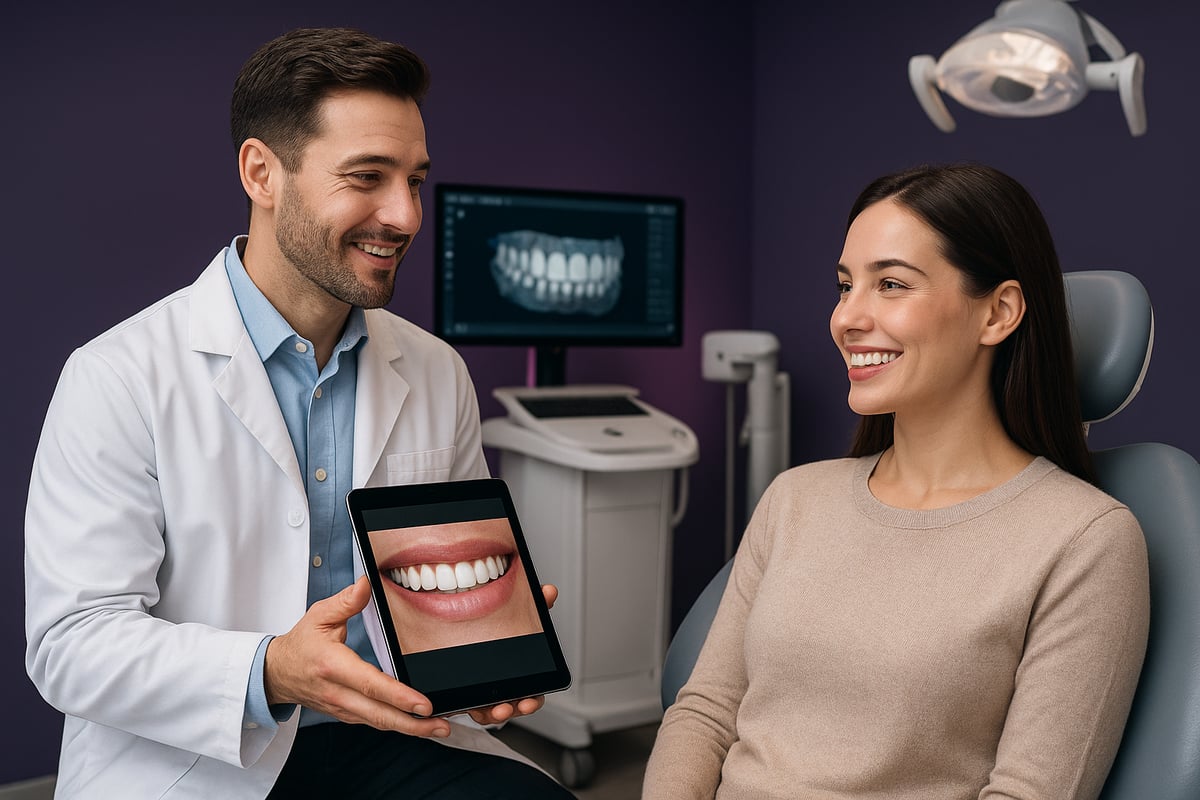
Your journey with cosmetic dentistry veneers begins with a comprehensive consultation. The dentist evaluates your oral health, checking for issues like gum disease or decay.
Digital imaging and impressions are taken to map your teeth. Together, you discuss your smile goals, preferences for shape and shade, and address any questions. Clinics now use AI-powered simulations to show a digital preview of your potential results.
This preview helps set clear expectations and guides the design of your veneers. The process is collaborative, ensuring your cosmetic dentistry veneers plan is tailored to your unique needs.
Step 2: Tooth Preparation
Once you approve the design, the next step is tooth preparation. For most cosmetic dentistry veneers, a minimal amount of enamel is carefully removed from the tooth surface. This makes space for the veneer and ensures a natural look.
Local anesthesia is used, so you remain comfortable throughout. If you are receiving no-prep veneers, this stage might be skipped, preserving more of your natural tooth. Temporary veneers may be placed to protect your teeth and maintain aesthetics while your permanent ones are crafted.
Step 3: Impressions and Custom Fabrication
After preparation, your dentist takes precise impressions using digital scanners or traditional molds. These impressions capture every detail of your teeth, which is vital for the fit and appearance of your cosmetic dentistry veneers.
The lab then fabricates your veneers, matching the chosen shape, size, and color. Porcelain veneers typically require 1 to 3 weeks for fabrication, while composite options may be ready the same day. Advanced 3D printing technology accelerates this process and enhances accuracy.
Step 4: Veneer Placement
When your custom cosmetic dentistry veneers are ready, you return for placement. The dentist first removes any temporary veneers and cleans your teeth thoroughly.
Your teeth are then etched to create a strong surface for bonding. Each veneer is placed, checked for perfect fit, and adjusted for color and alignment. A dental adhesive secures the veneers, followed by careful polishing to ensure a seamless, natural look.
Step 5: Final Adjustments & Evaluation
After placement, the dentist checks your bite and makes any necessary adjustments. This ensures your cosmetic dentistry veneers feel comfortable and function naturally.
A final polish brings out the natural shine. You are encouraged to review your new smile and share feedback. A follow-up appointment is scheduled to monitor your progress and address any concerns, supporting long-term veneer success.
Timeline & What to Expect
The cosmetic dentistry veneers process usually spans 2 to 3 visits for porcelain veneers and just one visit for composite types. Most patients experience minimal downtime and can return to daily activities immediately.
Some may notice mild tooth sensitivity or gum tenderness, which typically resolves quickly. Throughout the journey, clear communication with your dental team is key for a smooth experience and optimal results.
Common Concerns & Solutions During the Process
It is normal to have questions or concerns during your cosmetic dentistry veneers treatment. Dentists use modern techniques and local anesthesia to ensure a pain-free process.
Temporary sensitivity or gum irritation may occur but is usually short-lived. If a veneer feels loose or uncomfortable, contact your dentist promptly for adjustment. Open dialogue with your care provider helps resolve minor issues and ensures your satisfaction.
Azure Dental: Cosmetic Veneers Expertise in Liverpool
Azure Dental in Formby, Liverpool, stands out for its exceptional cosmetic dentistry veneers services. The team uses advanced digital imaging and minimally invasive techniques, making the process both efficient and comfortable.
Patients can choose from porcelain, composite, or ultra-thin veneer options, each tailored for optimal results. Consultations are comprehensive, focusing on individual goals and smile design. For those considering a broader transformation, Smile makeover treatments Liverpool offer insight into combining veneers with other cosmetic solutions.
From your first visit to aftercare, Azure Dental ensures a supportive, patient-centered experience in a welcoming clinic environment.
Costs, Financing, and Value of Veneers in 2025
Understanding the financial side of cosmetic dentistry veneers is crucial for making an informed decision. Costs can vary widely depending on your location, the materials you select, and the experience of your dentist. Let’s break down what you can expect to pay, what influences these costs, and how you can maximize your investment.
Average Cost of Veneers in 2025
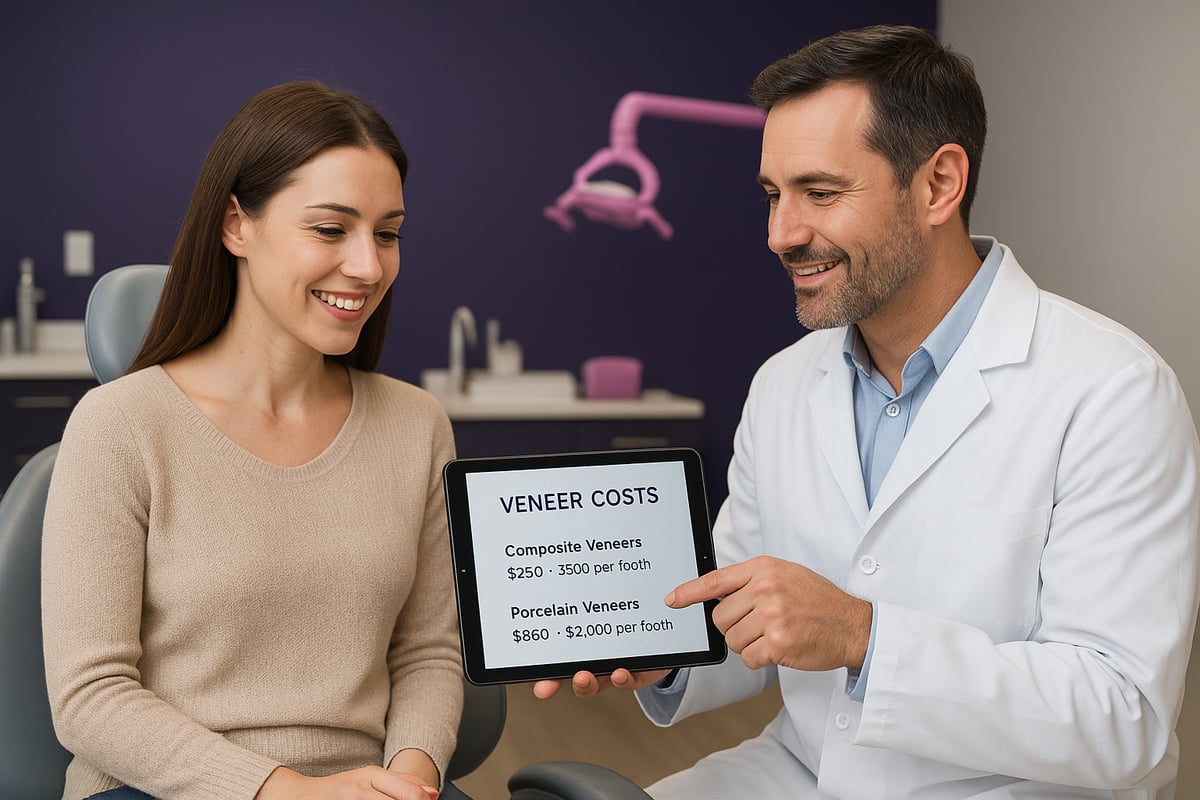
The price of cosmetic dentistry veneers in 2025 depends on several factors, especially the type of veneer you choose. On average, porcelain veneers cost between £800 and £1,500 per tooth in the UK. In the US, costs typically range from $916 to $2,086 per tooth. Composite veneers are a more budget-friendly option, with UK prices from £250 to £600 per tooth.
Here’s a quick comparison:
| Veneer Type | UK Cost (per tooth) | US Cost (per tooth) |
|---|---|---|
| Porcelain | £800–£1,500 | $916–$2,086 |
| Composite Resin | £250–£600 | $300–$800 |
For more detailed statistics and trends on pricing and usage, see Veneers Statistics 2025.
What Influences Veneer Pricing?
Several key factors affect how much you pay for cosmetic dentistry veneers:
- Geographic location: Prices are often higher in large cities or prestigious clinics.
- Material: Porcelain costs more than composite resin, but offers greater longevity.
- Number of teeth: Treating more teeth increases your total investment.
- Dentist’s expertise: Specialists with advanced training may charge premium fees.
- Additional treatments: Procedures like whitening or gum contouring can add to the total cost.
Discuss these variables with your dentist to ensure you receive a transparent breakdown before committing.
Insurance & Financing Options
Insurance rarely covers cosmetic dentistry veneers, as they are considered elective. However, many clinics offer solutions to make treatment accessible:
- Dental savings plans: These can provide discounts on cosmetic procedures.
- 0% financing: Spread payments over several months without interest.
- Flexible payment plans: Tailored to fit your budget.
- Upfront discounts: Some clinics reward patients who pay in full.
Always review the terms and ask your provider about available options before starting treatment.
Are Veneers Worth the Investment?
Cosmetic dentistry veneers deliver long-lasting results and can significantly boost your self-confidence. Many patients report improvements in both personal and professional interactions. Compared to other cosmetic options, veneers require less maintenance than bonding and can last up to 15 years with proper care.
Patient testimonials and satisfaction rates remain high, reinforcing their value. While the upfront cost is significant, the transformation in appearance and quality of life often justifies the expense for those seeking a permanent smile solution.
Veneer Aftercare and Longevity: Maximizing Your Results
Caring for your cosmetic dentistry veneers is essential to maintain your investment and enjoy a stunning smile for years. Proper aftercare routines, mindful habits, and regular dental visits all contribute to the longevity and beauty of your veneers. Let’s break down the most effective strategies for maximizing results.
Daily Care for Veneers
Establishing a consistent oral hygiene routine is crucial for keeping cosmetic dentistry veneers in top condition. Brush your teeth twice daily using a soft-bristled toothbrush and a non-abrasive toothpaste. This helps prevent scratching or dulling the veneer surfaces.
Floss gently every day to remove plaque and food particles between teeth. An alcohol-free mouthwash supports gum health and protects the bonding material. Avoid biting on hard objects, such as ice cubes or pens, as these can chip or damage your veneers.
- Brush twice daily with care
- Floss daily to protect gums
- Use alcohol-free mouthwash
- Avoid hard or sharp objects
With these habits, you support both your veneers and your overall oral health.
Habits to Avoid for Veneer Longevity
Certain habits can shorten the lifespan of cosmetic dentistry veneers. Never use your teeth as tools, like opening packages or biting nails, as this may cause chips or cracks. Limit foods and drinks that stain, such as coffee, tea, and red wine, to preserve the natural color of your veneers.
If you participate in sports or grind your teeth at night, wear a custom mouthguard to prevent damage. Report any chips, cracks, or discomfort to your dentist immediately for prompt repair.
- Do not use teeth as tools
- Minimize staining foods and beverages
- Wear a mouthguard if needed
- Notify your dentist about any issues
Mindful daily choices can greatly extend the life of your cosmetic dentistry veneers.
Professional Maintenance & Checkups
Regular dental visits are vital for maintaining your cosmetic dentistry veneers. Schedule professional cleanings and checkups every six months. During these visits, your dentist will examine the condition of your veneers, look for early signs of wear, and provide a professional polish to restore their shine.
Professional care can address minor problems before they become serious. For those in the Liverpool area, a cosmetic dentist in Formby Liverpool can offer expert maintenance and tailored aftercare advice.
Consistent checkups ensure your veneers stay beautiful and functional for as long as possible.
How Long Do Veneers Last?
The longevity of cosmetic dentistry veneers depends on their material and your aftercare. Porcelain veneers typically last 10 to 15 years, while composite options last around 5 to 7 years. Excellent oral hygiene and healthy habits are key to maximizing this lifespan.
Replacement is straightforward if needed. Some patients report veneers lasting beyond 15 years with proper care. According to Beyond The Shine: 15 Surprising Stats, high satisfaction rates and long-term success are common among veneer patients.
By following these care tips, you can enjoy your cosmetic dentistry veneers for many years and maintain a radiant, confident smile.
Frequently Asked Questions About Cosmetic Veneers
Curious about cosmetic dentistry veneers? Here are the answers to the most common questions patients ask before choosing this transformative treatment. These insights can help you feel confident and well-informed as you consider your smile makeover.
Do Veneers Damage Natural Teeth?
Cosmetic dentistry veneers require minimal removal of the tooth’s enamel. This process is carefully controlled by your dentist. The goal is to maintain as much of your natural tooth structure as possible.
With proper oral hygiene, veneers do not increase the risk of tooth decay or damage. The enamel removal is permanent, but it does not make teeth more vulnerable when the veneers are professionally placed. According to both Aspen Dental and Cosmetic Dentistry of SA, cosmetic dentistry veneers are safe when performed by experienced professionals.
For those concerned about enamel preservation, ultra-thin and no-prep options offer even less impact on natural teeth.
Are Veneers Permanent?
Cosmetic dentistry veneers offer long-lasting results, but they are not considered a permanent solution. While porcelain veneers can last up to 15 years and composite up to 7 years, all veneers will eventually require replacement.
Because some enamel is removed, the process is irreversible. This means you will always need a veneer or another restoration on that tooth. However, if you follow recommended aftercare, you can maximize the lifespan of your cosmetic dentistry veneers. Maintenance and regular dental visits are essential for keeping your smile healthy and beautiful.
Replacement is straightforward, and many patients find the investment worthwhile for the confidence boost and improved appearance.
Which Teeth Are Best for Veneers?
Cosmetic dentistry veneers are most often applied to the upper front teeth, also known as the “smile zone.” These teeth are most visible when you talk or smile, so improving their appearance has the greatest impact.
Veneers can also be used on lower front teeth if needed, though it is less common. They are not typically recommended for molars or teeth that have extensive restorations, as these require different solutions.
Most successful smile makeovers focus on the front six to eight upper teeth. A professional evaluation will determine exactly where cosmetic dentistry veneers will have the biggest benefit for your unique smile.
Can Veneers Fix Crooked or Gapped Teeth?
Cosmetic dentistry veneers are highly effective for correcting minor misalignments and closing small gaps. This is why they are sometimes referred to as “instant orthodontics.” Veneers can also mask chips, discoloration, and uneven shapes.
However, they cannot fix severe bite problems or major alignment issues. In complex cases, your dentist may recommend orthodontic treatment first, followed by cosmetic dentistry veneers for optimal aesthetics.
Many before-and-after case studies show dramatic improvements in smile symmetry and appearance using veneers for mild alignment issues.
How Do Veneers Compare to Crowns and Dentures?
When considering cosmetic dentistry veneers, it’s helpful to compare them with other solutions:
| Feature | Veneers | Crowns | Dentures |
|---|---|---|---|
| Coverage | Front surface only | Entire tooth | Replaces missing teeth |
| Tooth Structure Preserved | Most | Less | N/A |
| Use Case | Cosmetic improvements | Heavily damaged teeth | Missing teeth |
Veneers preserve more natural tooth structure than crowns and are not a replacement for missing teeth like dentures or implants. If you are interested in alternatives, Composite bonding for smile enhancement is another cosmetic option, especially for minor corrections.
What Is the Process Like? Is It Painful?
The process for cosmetic dentistry veneers is designed to be as comfortable as possible. Dentists use local anesthesia during tooth preparation, so most patients experience little to no discomfort.
You may feel mild sensitivity after the procedure, especially to hot or cold foods, but this typically resolves quickly. Most people return to their usual routine the same day.
Dentists are trained to address anxiety and ensure your experience with cosmetic dentistry veneers is positive from start to finish.
Can Veneers Be Whitened?
Cosmetic dentistry veneers are crafted to match your desired shade at the time of placement. Once bonded, veneers cannot be whitened with traditional bleaching products.
To maintain the brightness of your cosmetic dentistry veneers, practice good oral hygiene and visit your dentist for regular cleanings. If you are considering whitening, it should be done before veneer placement to ensure a perfect color match with your natural teeth.
Keeping your veneers stain-free is easier with modern materials, which are highly resistant to discoloration.
Now that you have a clear understanding of what veneers can do for your smile and how modern innovations make the process more comfortable and effective, you might be wondering what your own results could look like. At Azure Dental, we combine advanced technology with a personalized approach to help you achieve the confident, natural-looking smile you deserve. If you’re ready to explore your options or have questions about whether veneers are right for you, you can take the next step from the comfort of your home. Start your journey with a Free Virtual Consultation—we're here to guide you every step of the way.