
Bonding Chipped Tooth: Complete Guide to Repair Options
Chipped teeth are amongst the most common dental injuries, affecting people of all ages through accidents, sports injuries, biting hard foods, or simply wear over time. Whether you've chipped a front tooth affecting your smile confidence or damaged a molar impacting your bite, bonding chipped tooth procedures offer an excellent solution that's both effective and minimally invasive. This comprehensive guide explores everything you need to know about tooth bonding as a repair method, from the procedure itself to aftercare and longevity.
Understanding Dental Bonding for Chipped Teeth
Dental bonding represents one of the most versatile cosmetic dentistry treatments available today. The procedure involves applying a tooth-coloured composite resin material directly to the damaged tooth, sculpting it to restore the original shape, and then hardening it with a special light. This creates a strong bond between the resin and your natural tooth structure, hence the name.
For chipped teeth specifically, bonding offers several distinct advantages. Speed stands out as a primary benefit, with most bonding chipped tooth procedures completed in a single appointment lasting 30 to 60 minutes per tooth. Unlike crowns or veneers that require laboratory work and multiple visits, bonding delivers immediate results.
The composite resin material used in dental bonding procedures comes in various shades, allowing your dentist to match it precisely to your natural tooth colour. This ensures the repair blends seamlessly with your smile, making it virtually undetectable to others.
When Bonding Is the Ideal Solution
Not every chipped tooth requires the same treatment approach. Bonding works particularly well for:
- Small to moderate chips on front teeth
- Repairing minor fractures that haven't reached the tooth's nerve
- Cosmetic improvements to tooth shape or appearance
- Closing small gaps between teeth
- Protecting exposed tooth roots from receding gums
- Alternative to amalgam fillings for minor decay
However, bonding chipped tooth treatments may not be suitable for extensive damage, chips involving significant structural loss, or damage to teeth that endure heavy biting forces. In such cases, your dentist might recommend alternative solutions like porcelain veneers or crowns.
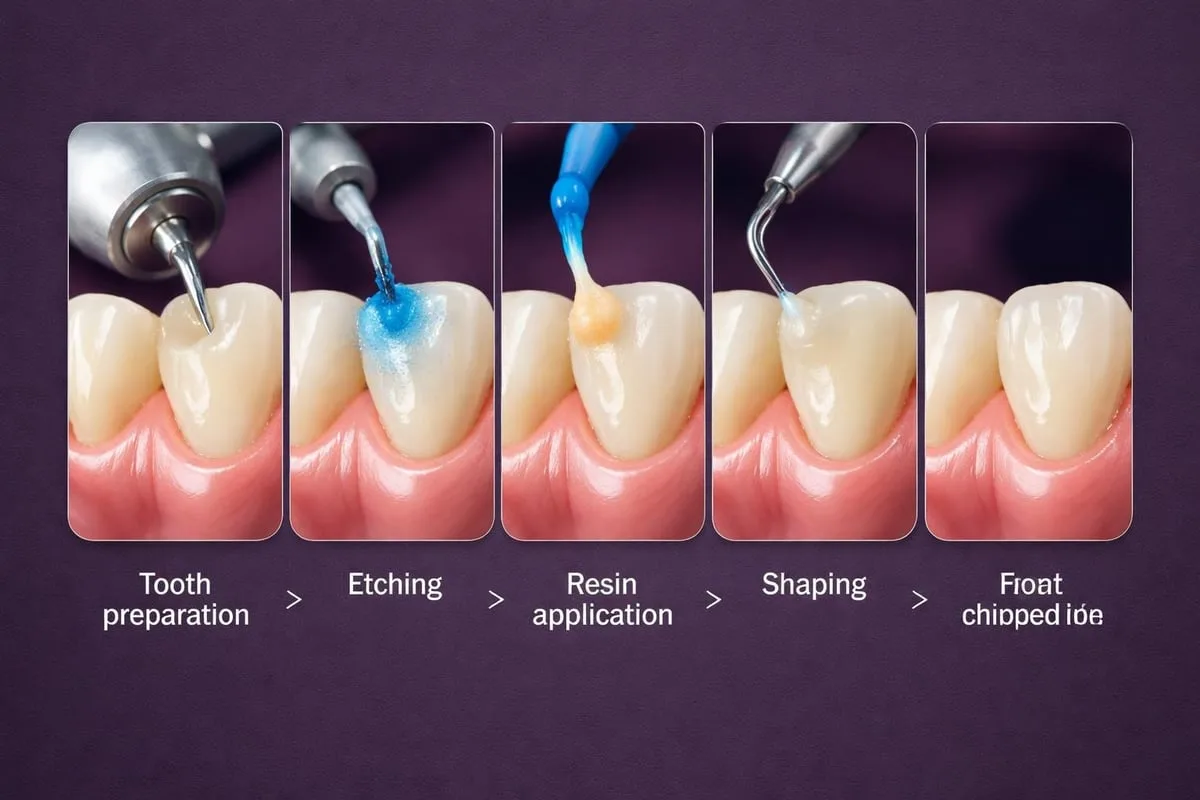
The Bonding Procedure: What to Expect
Understanding the bonding process helps alleviate any anxiety about your appointment. The procedure typically follows a systematic approach that prioritises both aesthetic results and functional restoration.
Preparation Phase: Your dentist begins by selecting the composite resin shade that matches your natural teeth. In most cases, anaesthesia isn't necessary unless the chip is near the nerve or you're having decay removed. The tooth surface is then roughened slightly and a conditioning liquid applied, which helps the bonding material adhere properly.
Application and Sculpting: The dentist applies the putty-like composite resin to the chipped area, carefully moulding and smoothing it to recreate your tooth's natural contour. This stage requires significant skill and artistic ability, as the dentist must restore not just the tooth's shape but also its proper function within your bite.
| Procedure Stage | Duration | Description |
|---|---|---|
| Shade Selection | 5 minutes | Matching resin to natural tooth colour |
| Surface Preparation | 10 minutes | Roughening and conditioning the tooth |
| Resin Application | 15-25 minutes | Applying and sculpting composite material |
| Curing and Polishing | 10-15 minutes | Hardening with UV light and final refinements |
Hardening and Finishing: Once the desired shape is achieved, an ultraviolet light or laser hardens the material in just seconds. After the resin solidifies, your dentist performs final trimming, shaping, and polishing to ensure the bonded area feels smooth and matches the sheen of your natural tooth enamel.
Immediate Aftercare
Following your bonding chipped tooth procedure, you can typically resume normal activities immediately. The composite resin hardens completely during the treatment, so there's no waiting period before eating or drinking. However, some dentists recommend avoiding extremely hard foods or biting directly into items like apples for the first 24 hours.
Comparing Bonding to Alternative Treatments
When facing a chipped tooth, you'll likely have several treatment options available. Understanding how bonding compares helps you make an informed decision aligned with your needs and budget.
Bonding vs Veneers
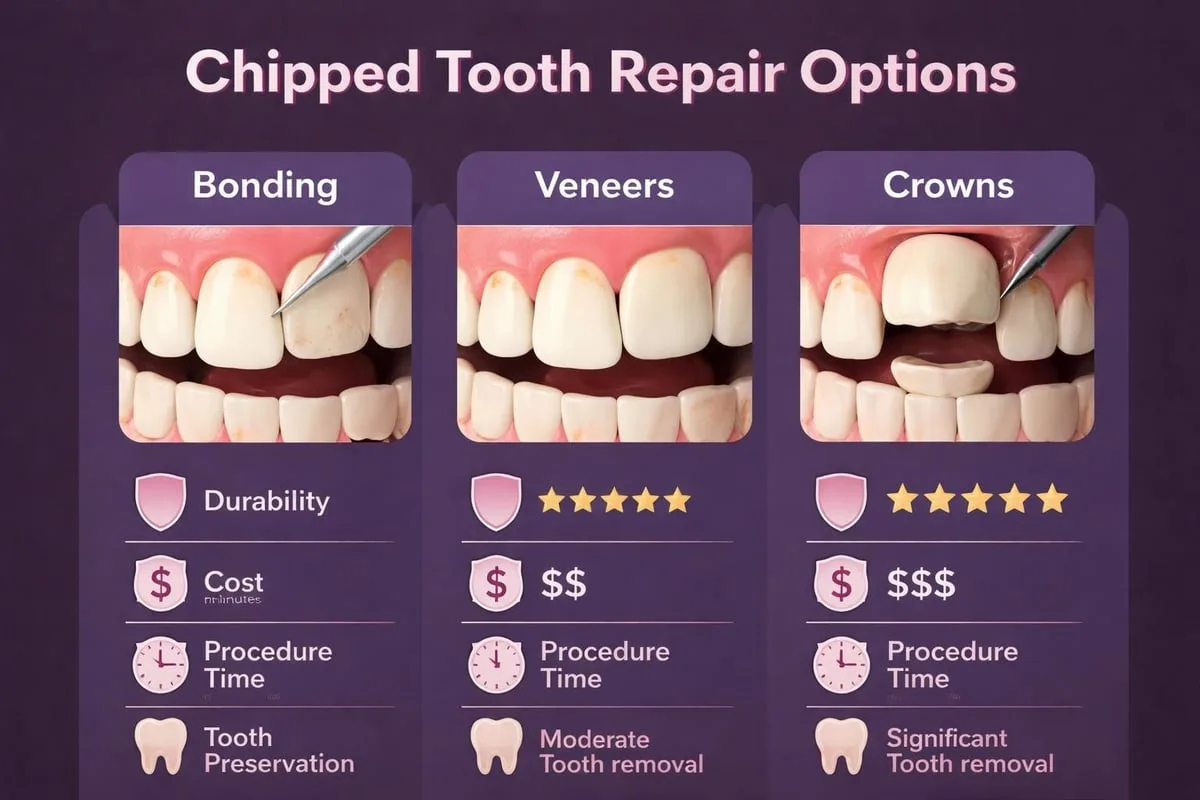
Porcelain veneers offer exceptional durability and stain resistance, typically lasting 10-15 years compared to bonding's 3-7 year lifespan. However, veneers require removing a thin layer of tooth enamel and cost considerably more. For cosmetic bonding of minor chips, bonding provides excellent results at a fraction of the cost.
Veneers excel when you're addressing multiple cosmetic concerns simultaneously or want the longest-lasting solution. Bonding suits single-tooth repairs where preserving natural tooth structure is a priority.
Bonding vs Crowns
Dental crowns encase the entire visible portion of a tooth, providing maximum protection for severely damaged teeth. They're essential when a chip has compromised significant tooth structure or when the tooth has undergone root canal treatment.
For minor to moderate chips, crowns represent overtreatment. They're more invasive, expensive, and time-consuming than bonding chipped tooth procedures. Crowns require substantial enamel removal and temporary restorations whilst the permanent crown is fabricated.
Cost Considerations: Bonding typically costs £150-350 per tooth, making it the most budget-friendly option. Veneers range from £400-1,000 per tooth, whilst crowns can cost £500-1,500 or more.
Longevity and Maintenance of Bonded Teeth
Properly cared for, bonding chipped tooth restorations can last between three to ten years before requiring touch-ups or replacement. Several factors influence longevity, including the location of the chip, your oral habits, and maintenance routine.
Factors Affecting Durability
Location matters significantly. Bonding on front teeth that don't endure heavy biting forces typically lasts longer than bonding on molars. Similarly, chips on the biting edge of teeth experience more wear than those on facial surfaces.
Your habits play a crucial role:
- Avoid biting fingernails, pens, or ice
- Don't use your teeth as tools to open packages
- Wear a mouthguard during sports activities
- Consider a night guard if you grind your teeth
- Cut hard foods into smaller pieces rather than biting directly
Teeth grinding (bruxism) represents one of the primary threats to bonded restorations. The constant pressure can cause the composite resin to chip or separate from the tooth. If you grind your teeth, discuss protective options with your dentist.
Daily Care Guidelines
Maintaining your bonded tooth requires minimal additional effort beyond standard oral hygiene:
- Brush twice daily with a non-abrasive fluoride toothpaste
- Floss daily, being gentle around the bonded area
- Rinse with an alcohol-free mouthwash
- Attend regular dental check-ups every six months
- Report any rough edges or changes in how the bonding feels
Staining Prevention: Whilst composite resin resists staining better than natural tooth enamel initially, it can gradually discolour over time. Limit consumption of coffee, tea, red wine, and other staining beverages, or rinse your mouth with water after consuming them. If you smoke, consider quitting, as tobacco significantly accelerates discolouration.
Aesthetic Outcomes and Natural Appearance
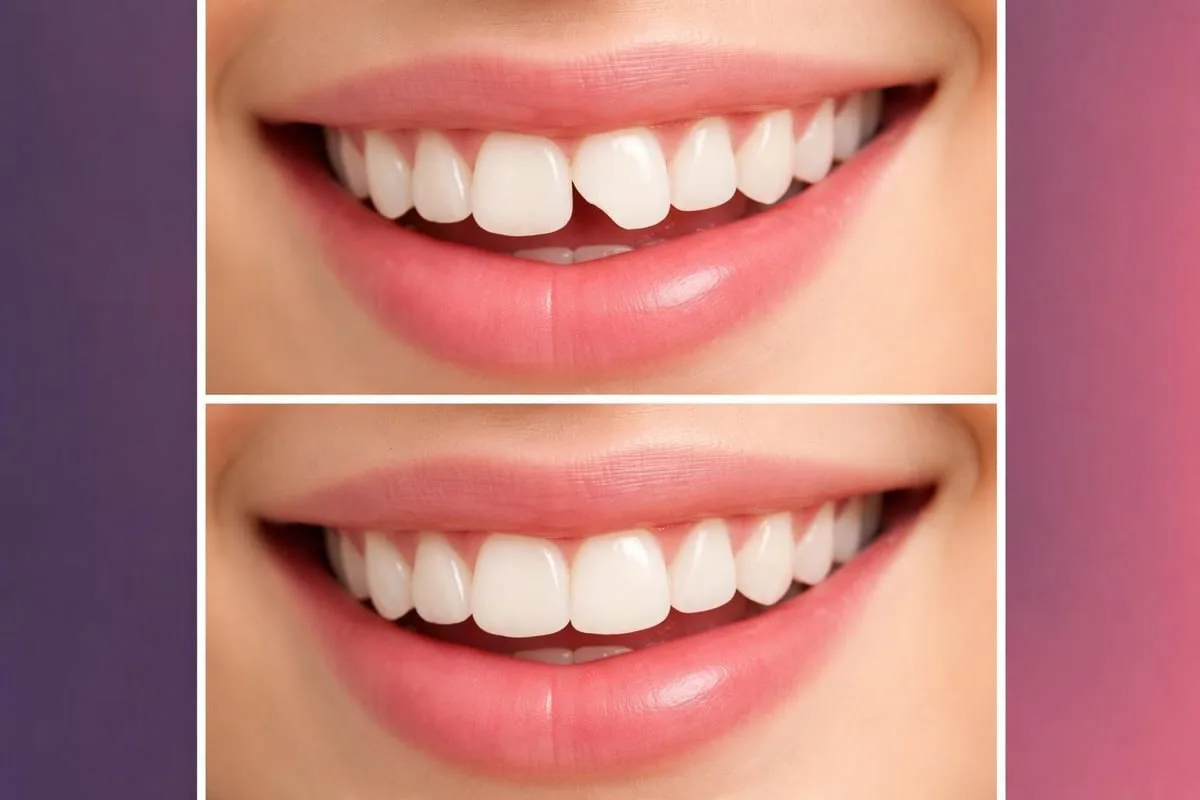
One of the greatest concerns patients express about bonding chipped tooth procedures involves whether the repair will look natural. Modern composite resins and application techniques have advanced considerably, enabling skilled dentists to create restorations that are virtually indistinguishable from natural teeth.
The key to natural-looking results lies in several factors. Shade matching involves selecting a resin colour that precisely matches your tooth's unique hue, which may include subtle variations and translucency at the edges. Expert dentists often use multiple shades within a single restoration to replicate the natural gradation found in teeth.
Surface texture also matters tremendously. Natural teeth aren't perfectly smooth; they feature subtle ridges, slight imperfections, and varying reflective qualities. During the finishing stage, your dentist creates these characteristics in the bonded material, ensuring it catches light the same way your natural teeth do.
Managing Expectations
Understanding what bonding can and cannot achieve helps set realistic expectations. For minor chips and cosmetic improvements, bonding delivers excellent results that most patients find highly satisfying. The procedure excels at restoring tooth shape and protecting exposed tooth structure.
However, bonding won't whiten your teeth. If you're considering teeth whitening, complete that treatment before bonding so your dentist can match the resin to your newly whitened shade. Attempting to whiten afterwards will lighten your natural teeth but leave the bonded area unchanged, creating a noticeable mismatch.
For comprehensive smile transformations involving multiple aesthetic concerns, cosmetic dentistry treatments like veneers might provide more dramatic and longer-lasting results.
Potential Risks and Complications
Whilst bonding chipped tooth procedures are generally safe and predictable, understanding potential complications helps you make an informed decision and recognise issues requiring attention.
Common Concerns
| Risk | Likelihood | Management Strategy |
|---|---|---|
| Staining | Moderate | Avoid staining foods, maintain excellent hygiene |
| Chipping | Low to Moderate | Protect teeth from trauma, avoid hard foods |
| Separation from tooth | Low | Attend regular check-ups, report loose bonding immediately |
| Sensitivity | Low | Usually temporary, may require desensitising treatment |
Material limitations mean composite resin isn't as strong as natural tooth enamel or materials like porcelain. Whilst adequate for the forces most teeth experience, bonding on heavy-biting surfaces may chip or wear more quickly.
Allergic reactions to the materials used in bonding are extremely rare but possible. If you have known allergies to dental materials, inform your dentist beforehand. Alternative materials or treatments can be discussed.
When to Contact Your Dentist
Seek professional attention if you experience:
- Sharp edges that irritate your tongue or cheek
- Persistent sensitivity to hot or cold
- The bonding feels loose or a piece has broken off
- Discolouration that suddenly appears or worsens rapidly
- Pain when biting down on the repaired tooth
Early intervention can often resolve minor issues before they become significant problems requiring extensive repairs.
Cost Considerations and Value
Understanding the financial aspects of bonding chipped tooth treatments helps you budget appropriately and appreciate the value this procedure offers. In the UK, bonding typically costs between £150 and £350 per tooth, with variation depending on several factors.
Complexity influences price. A simple chip requiring minimal composite resin costs less than extensive bonding covering multiple surfaces or involving significant reshaping. The tooth's location also matters, as front teeth requiring perfect aesthetic results may command higher fees due to the artistic skill and time involved.
Practice location and expertise affect costs as well. Established cosmetic dentistry practices in areas like Formby may charge premium rates, but this often reflects advanced training, superior materials, and extensive experience delivering natural-looking results.
Private vs NHS Treatment
NHS dental treatment in England covers bonding for chipped teeth only when medically necessary, not for purely cosmetic reasons. Even when covered, you'll pay according to NHS band charges. Private treatment offers several advantages:
- Greater choice in materials and techniques
- More time for meticulous aesthetic work
- Flexible appointment scheduling
- Comprehensive cosmetic consultations
- Access to the latest advancements
For those seeking cosmetic teeth bonding near me, private practices typically deliver superior aesthetic outcomes worth the additional investment.
Long-term Value Analysis
When evaluating cost, consider bonding's overall value proposition. A £200-300 bonding procedure that lasts five years costs just £40-60 annually. Compare this to more expensive alternatives or the personal and professional costs of living with a visible chipped tooth.
The immediate nature of bonding also adds value. You leave your appointment with the problem solved, your smile restored, and your confidence renewed. There's no waiting period, no temporary restorations, and no multiple visits consuming your time.
Special Considerations for Different Age Groups
Bonding chipped tooth treatments suit patients across various age ranges, but considerations vary depending on the patient's age and dental development stage.
Children and Adolescents
For young patients with chipped permanent teeth, bonding offers an excellent temporary or permanent solution. Children and teenagers are particularly prone to dental injuries from sports, playground accidents, or general activities. Bonding provides quick repair that restores appearance and protects the tooth whilst preserving as much natural structure as possible.
Growth considerations: Since adolescents' jaws are still developing, dentists may recommend bonding over more permanent solutions like veneers. As the patient matures, bonding can be replaced with alternative treatments if desired.
Parents should ensure young patients understand the importance of protecting bonded teeth. A mouthguard during sports becomes essential, and habits like chewing on pens or fingernails must be discouraged.
Adult Patients
Adults typically achieve the longest-lasting results from bonding chipped tooth procedures, as their teeth have finished developing and their oral hygiene habits are generally more established. For professionals concerned about appearance, bonding offers a quick solution that minimises time away from work.
Senior Patients
Older adults often have unique considerations, including existing dental work, potential bone loss, or medications affecting oral health. Bonding remains viable but may require additional planning. For instance, if you're considering smile restoration involving multiple teeth, your dentist might recommend a comprehensive treatment plan addressing all concerns simultaneously.
Choosing the Right Dentist for Your Bonding Procedure
The success of bonding chipped tooth treatments depends heavily on your dentist's skill, experience, and artistic ability. Selecting the right professional ensures optimal results that look natural and last as long as possible.
Key Qualifications to Seek
Look for dentists with specific training and experience in cosmetic dentistry. Whilst all dentists learn basic bonding techniques during their education, those who focus on aesthetic dentistry develop refined skills through additional courses, workshops, and years of practice.
Portfolio review provides invaluable insight. Reputable cosmetic dentists maintain before-and-after photographs of actual patients (with permission). Reviewing these images helps you assess whether the dentist's aesthetic sensibilities align with your preferences and whether they can achieve the natural-looking results you desire.
Patient testimonials and reviews offer perspective on the entire experience, from consultation through aftercare. Pay attention to comments about communication, comfort during procedures, and satisfaction with long-term results.
Questions to Ask During Consultation
A thorough consultation should address:
- How many bonding procedures do you perform monthly?
- What are the expected longevity and maintenance requirements?
- Are there alternative treatments I should consider?
- What happens if the bonding chips or becomes discoloured?
- Can I see examples of similar cases you've treated?
- What specific composite resin system do you use and why?
Professional dentists welcome questions and provide detailed, honest answers. They'll explain why bonding suits your situation or recommend alternatives if bonding isn't the optimal solution.
Preparing for Your Bonding Appointment
Proper preparation ensures your bonding chipped tooth procedure proceeds smoothly and delivers the best possible outcome. Whilst bonding requires minimal preparation compared to other dental treatments, a few steps optimise your experience.
Pre-Appointment Considerations
Schedule wisely: Choose an appointment time when you're unlikely to feel rushed or stressed. Whilst the procedure itself is quick, allowing extra time for questions and discussion proves valuable.
Address oral hygiene: Brush and floss thoroughly before your appointment. Clean teeth allow your dentist to better assess the repair area and ensure optimal bonding. However, don't alter your regular oral hygiene routine drastically, as this might cause gum irritation.
Communicate concerns: If you experience dental anxiety, inform your practice when booking. Many dentists offer various comfort options, from calming music to sedation for extremely nervous patients.
Day of Procedure
Eat normally before your appointment, as you'll be able to eat immediately afterwards but might prefer to wait until any numbness wears off if local anaesthetic was required. Avoid consuming staining beverages like coffee immediately before treatment, as this can temporarily discolour your teeth and complicate shade matching.
Wear comfortable clothing and plan for minimal downtime afterwards. Most patients return to normal activities immediately, though you might want to avoid important meetings or social events for a few hours whilst you adjust to how the bonded tooth feels.
Advanced Bonding Techniques and Innovations
Dental bonding technology has advanced significantly in recent years, with new materials and techniques improving both aesthetics and durability. Understanding these innovations helps you appreciate the quality of modern bonding chipped tooth procedures.
Nano-Hybrid Composite Resins
The latest composite materials incorporate nano-technology, featuring ultra-fine particles that create smoother, more lustrous surfaces. These nano-hybrid resins offer superior polish retention, meaning your bonded tooth maintains its natural sheen longer. They also demonstrate improved strength and wear resistance compared to earlier composite formulations.
Light-curing systems have evolved as well. Modern LED curing lights polymerise composite resin more efficiently and thoroughly, creating stronger bonds and reducing the risk of future separation. Some advanced systems use specific wavelengths optimised for different resin types, ensuring complete hardening throughout the material's depth.
Layering Techniques
Expert cosmetic dentists employ sophisticated layering approaches when bonding chipped tooth damage, particularly on front teeth where aesthetics matter most. Rather than applying a single shade of composite, they build up the restoration using multiple shades and translucencies, mimicking the complex optical properties of natural tooth enamel and dentin.
This approach creates depth and vitality that single-shade bonding cannot achieve. The result appears more lifelike, with light interacting with the restoration the same way it does with natural teeth.
Combining Bonding with Other Cosmetic Treatments
For patients with multiple aesthetic concerns, bonding chipped tooth procedures often work beautifully alongside other cosmetic dentistry treatments as part of a comprehensive smile makeover.
Bonding and Teeth Whitening
Many patients combine these treatments to achieve both structural repair and enhanced brightness. The recommended sequence involves whitening first, then bonding. This allows your dentist to match the composite resin to your newly whitened teeth, ensuring uniform colour across your smile.
If you bond first and whiten later, your natural teeth will lighten whilst the bonded areas remain unchanged, creating a mismatched appearance. Professional teeth whitening typically achieves optimal results in 1-2 weeks, after which bonding can proceed.
Integration with Orthodontics
Patients who've completed teeth straightening treatments sometimes require minor bonding to perfect their results. Small chips, worn edges, or slight shape irregularities can be corrected through strategic bonding, putting the finishing touches on a transformed smile.
Comprehensive Smile Design
For extensive smile transformations, dentists might use bonding on some teeth whilst placing veneers on others, creating a customised solution that addresses each tooth's specific needs whilst managing costs effectively. This hybrid approach delivers impressive results by applying the right treatment to each individual tooth.
Bonding chipped tooth treatments offer an effective, affordable, and minimally invasive solution for restoring both the function and appearance of damaged teeth. With proper care and maintenance, bonded teeth can serve you well for many years whilst preserving your natural tooth structure. If you're dealing with a chipped tooth and seeking expert cosmetic dentistry care in the Liverpool area, the experienced team at Azure Dental can assess your specific situation and recommend the optimal treatment approach to restore your confident smile.