
Unlock your most confident smile in 2025 with proven, expert-backed smile restoration strategies. Whether you are looking to address dental concerns from the past or simply want to enhance your natural beauty, this guide is designed for you.
Get practical tips and the latest solutions to restore and maintain a healthy, radiant smile. We cover the science behind smile restoration, cutting-edge treatments, and how to choose the best options for your needs.
With clear steps and advice, you will be empowered to achieve long-lasting, natural results and a smile that inspires confidence every day.
Understanding Smile Restoration: The Foundations
Smile restoration is the process of repairing, rebuilding, and enhancing the appearance and function of your teeth to achieve a healthy, confident smile. It plays a vital role in both oral health and personal aesthetics, addressing concerns that go beyond surface appearance. Unlike purely cosmetic dentistry, smile restoration focuses on fixing structural issues such as tooth decay, damage, gaps, and missing teeth, while also improving the overall look of your smile. The emotional and social impact is significant, too. A healthy smile can boost self-esteem and change how others perceive you. In fact, 74% of adults believe an unattractive smile can impact career success, according to the American Academy of Cosmetic Dentistry. Consider the example of a patient who, after a full-mouth restoration, regained not only oral function but also the confidence to engage in social and professional settings. For those seeking an in-depth approach, Smile makeover cosmetic treatments offer comprehensive solutions tailored to individual needs.
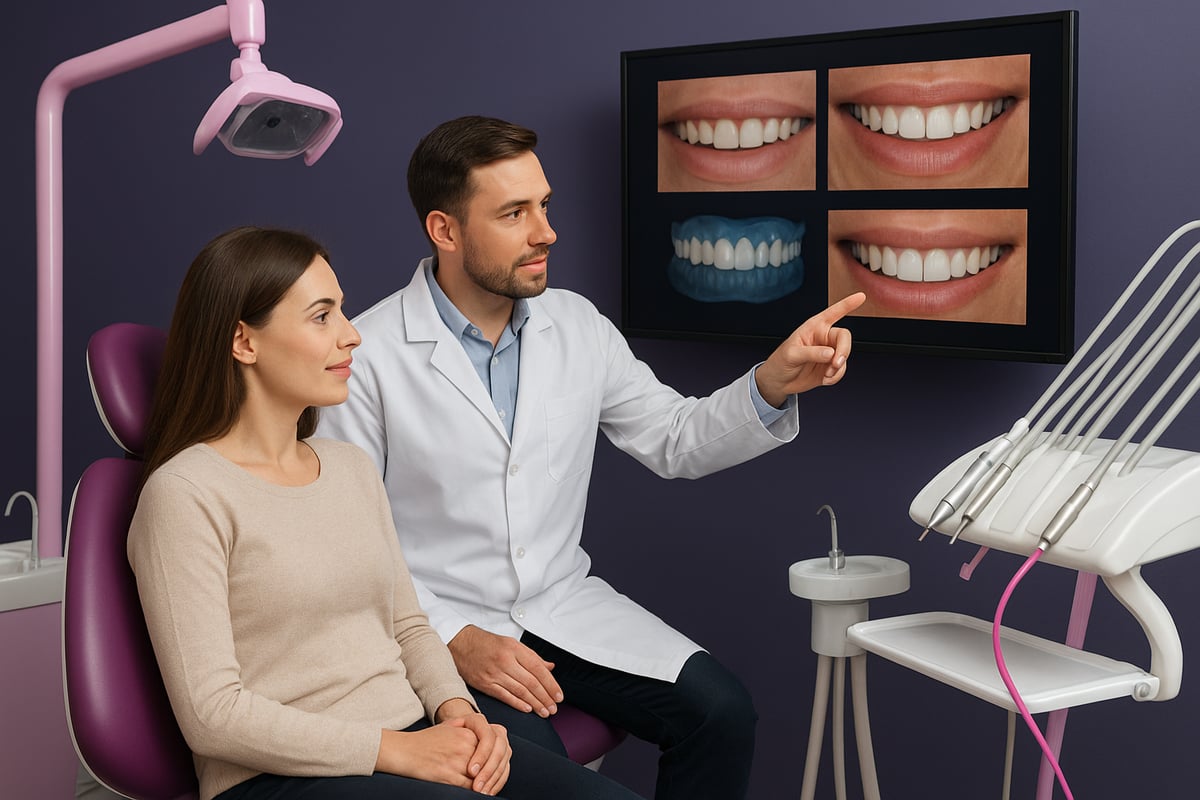
Key Components of a Healthy, Confident Smile
Several elements combine to create a truly healthy, confident smile. Tooth alignment, color, shape, gum health, and proper bite function are all crucial. Consistent oral hygiene forms the foundation for successful smile restoration, helping prevent future issues and maintaining results. Facial harmony and balanced proportions also play a role, as your smile should complement the contours of your face. Lifestyle factors, such as diet and smoking, can significantly influence the health and longevity of your smile. For example, correcting bite problems not only enhances appearance but also improves comfort during eating and speaking.
Common Causes of Smile Deterioration
Multiple factors can lead to the deterioration of your smile over time. Tooth decay, trauma, aging, gum disease, and genetics are primary contributors. Missing teeth can impact both oral health and facial structure, leading to changes in appearance and function. Medical conditions like diabetes may also negatively affect dental health. For instance, if gum disease is left untreated, it can result in tooth loss and significant aesthetic concerns, underscoring the importance of early intervention in smile restoration.
Benefits of Smile Restoration in 2025
Choosing smile restoration in 2025 offers a range of benefits, from improved self-esteem and mental well-being to enhanced oral function and overall health. Thanks to modern techniques, treatments are now faster, more comfortable, and produce natural-looking results. According to a recent Dental Economics Survey, over 60% of adults considering smile restoration this year say improved confidence is their main motivation. Embracing the latest advancements ensures you achieve a smile that not only looks great but also promotes lasting health and happiness.
Step-by-Step Smile Restoration Process
Embarking on a smile restoration journey involves a structured series of steps, each designed to ensure optimal health, function, and aesthetics. By following a proven process, patients can achieve lasting results and renewed confidence. Let us explore each stage in detail to understand how a beautiful, functional smile is restored.
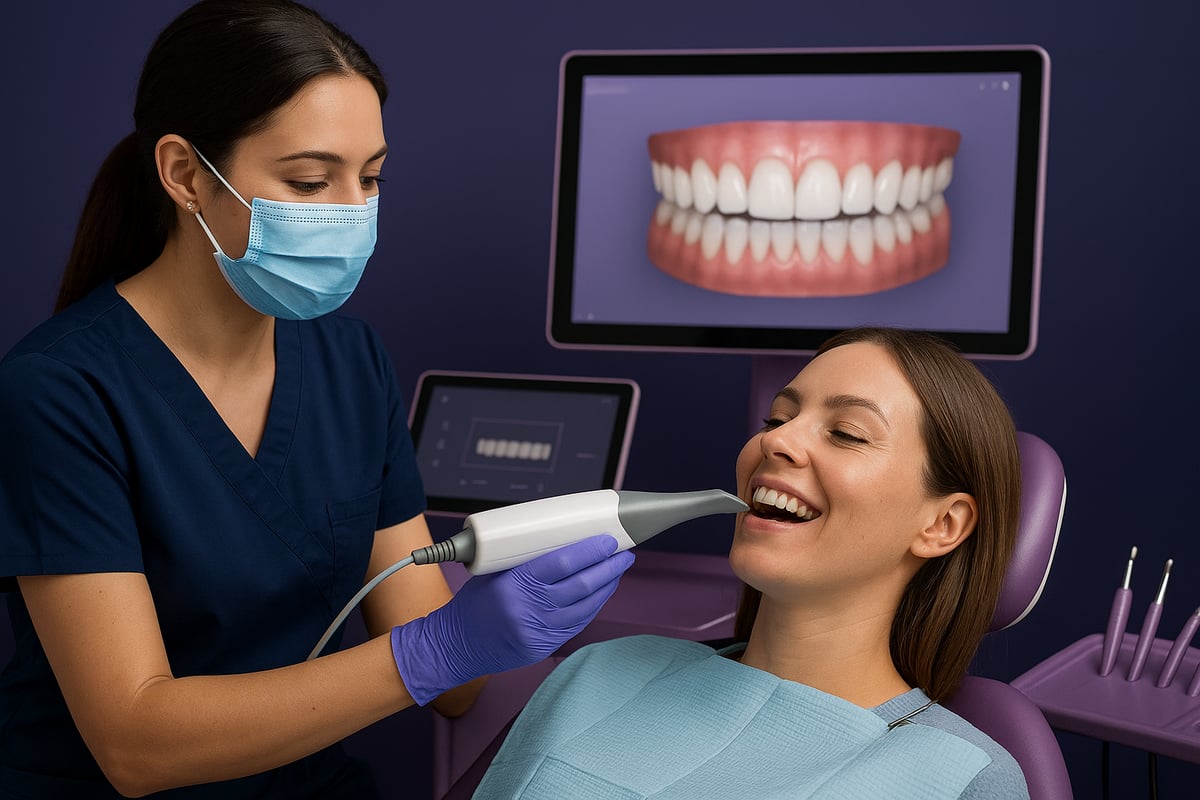
Step 1: Comprehensive Dental Assessment
The first step in smile restoration is a comprehensive dental assessment. Dentists use digital X-rays and 3D scans to evaluate oral health and identify any hidden issues. This thorough examination uncovers problems like decay, gum disease, or bone loss that could affect treatment success.
A detailed assessment ensures that underlying concerns are addressed before cosmetic improvements begin. For example, a patient may have hidden cavities that, if left untreated, could undermine the longevity of their smile restoration. Identifying these issues early sets the foundation for a successful outcome.
Step 2: Personalized Treatment Planning
Once your oral health is evaluated, the next phase of smile restoration involves personalized treatment planning. This collaborative process includes detailed discussions between you and your dentist to define goals and priorities.
Digital smile design tools and mock-ups are used to visualize potential outcomes, helping set realistic expectations for the process. For instance, a patient with several missing teeth might see a digital preview of their future smile, allowing them to make informed decisions about the best path forward. This tailored approach ensures your smile restoration aligns with your unique needs.
Step 3: Addressing Foundational Oral Health
Before any restorative or cosmetic treatments, foundational oral health issues must be resolved. In smile restoration, this means treating gum disease, cavities, and infections to create a stable base for further work.
Professional cleanings and, if needed, periodontal therapy are essential at this stage. According to the CDC, 47% of adults have some form of gum disease, making this a critical focus. For example, restoring gum health before placing veneers or crowns protects both the aesthetics and function of your smile restoration.
Step 4: Tooth Restoration and Replacement Options
With a healthy foundation established, attention turns to restoring damaged teeth or replacing missing ones. Smile restoration offers a range of solutions, including fillings, crowns, bridges, implants, and dentures.
Choosing the right option depends on the condition of your teeth and your personal goals. For a single missing tooth, you might weigh the benefits of a dental implant versus a bridge. Dental implants are a popular choice due to their durability and natural appearance. For more about this solution, explore Dental implants for missing teeth. Selecting the right treatment is key to long-term smile restoration success.
Step 5: Cosmetic Enhancements for Smile Perfection
After structural repairs, cosmetic enhancements refine the results of smile restoration. Treatments like teeth whitening, veneers, and cosmetic bonding improve color, shape, and symmetry. Orthodontic solutions such as clear aligners or braces can also align teeth for optimal aesthetics.
A common approach combines whitening with bonding to achieve a complete makeover. This step ensures your smile not only functions well but also looks naturally beautiful. Cosmetic enhancements are the finishing touch that brings your vision of smile restoration to life.
Step 6: Final Adjustments and Smile Reveal
The final stage in smile restoration involves making precise adjustments to ensure comfort, function, and a natural look. Dentists fine-tune the bite and appearance, checking every detail.
Patients receive guidance on aftercare and maintenance to protect their new smile. The “smile reveal” moment is often emotional, as individuals see the transformation and feel a surge of confidence. Proper finalization and education help ensure that the benefits of smile restoration are enjoyed for years to come.
Latest Smile Restoration Treatments & Technologies for 2025
The landscape of smile restoration in 2025 is more dynamic than ever, blending scientific breakthroughs with patient-focused care. Whether you’re seeking subtle enhancements or full-mouth transformation, the latest advancements offer tailored solutions for every need. Let’s explore how modern dental technology is reshaping the future of smile restoration, making natural results and long-term confidence more accessible.
Innovations in Dental Materials and Techniques
Smile restoration now benefits from next-generation materials, including advanced porcelain, zirconia, and composite resins. These materials offer exceptional strength and a lifelike translucency that closely mimics natural teeth. Dentists can create ultra-thin veneers that require minimal enamel removal, preserving healthy tooth structure.
Patients experience improved durability and biocompatibility, reducing risks of allergic reactions or sensitivity. These innovations enhance both aesthetics and longevity, ensuring each smile restoration is comfortable and natural. For individuals with worn or damaged teeth, these materials provide a seamless integration with existing dental work.
Digital Dentistry: 3D Imaging and Smile Design
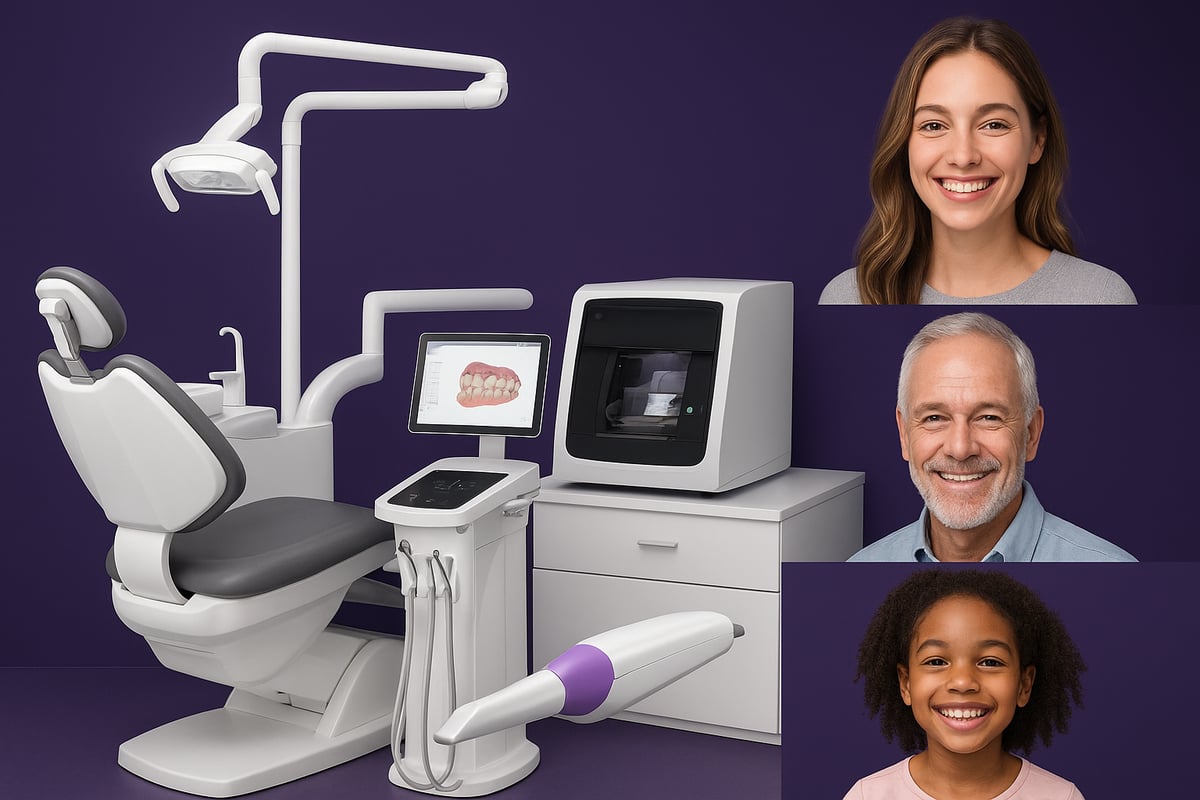
The integration of 3D imaging, intraoral scanners, and CAD/CAM technology has revolutionized smile restoration. Digital impressions replace messy molds, creating precise models in seconds. Dentists use digital smile design to craft mock-ups that patients can preview before treatment begins.
These technologies enable same-day crowns and veneers, reducing wait times and improving accuracy. For a comprehensive look at the top tools shaping dental care, see Top Dental Technologies to Watch for in 2025. Digital workflows streamline every stage of smile restoration, helping patients visualize results and make informed choices.
Modern Tooth Replacement Solutions
Tooth loss no longer means compromising on function or appearance. Dental implants remain the gold standard in smile restoration, offering single, multiple, and full-arch options. Implant-supported bridges and dentures provide stable, permanent solutions with a natural feel.
With success rates exceeding 95 percent, dental implants restore chewing ability and help maintain facial structure. These advancements mean that even complex cases can achieve predictable, long-lasting results. Patients regain confidence and oral health with tailored tooth replacement strategies.
Minimally Invasive Cosmetic Procedures
For those seeking rapid improvements, minimally invasive cosmetic procedures are at the forefront of smile restoration. Composite bonding, no-prep veneers, and laser gum contouring provide transformative results with little to no discomfort.
Composite bonding repairs chips, gaps, or discoloration in a single visit, preserving natural tooth enamel. No-prep veneers offer instant enhancement without extensive drilling. These techniques are ideal for patients wanting a dramatic change with minimal intervention, supporting long-term smile restoration goals.
Integrating Orthodontics with Smile Restoration
Orthodontic treatments such as clear aligners and accelerated braces are now commonly integrated into smile restoration plans. Addressing tooth alignment before restorative procedures ensures optimal aesthetics and function. For example, using Invisalign to correct spacing or crowding sets the stage for veneers or bonding.
Combination treatments deliver comprehensive results, aligning teeth and restoring shape or color in one seamless plan. This integrated approach maximizes the impact of smile restoration, providing both beauty and bite stability.
Pain-Free and Anxiety-Free Dentistry
Modern smile restoration prioritizes patient comfort with advanced sedation options and gentle techniques. Innovations such as computer-assisted anesthesia and noise-reducing tools help alleviate dental anxiety. Nearly 36 percent of individuals delay dental care due to fear, but pain-free dentistry is changing that.
Sedation dentistry makes even complex smile restoration procedures accessible to nervous patients. By focusing on comfort and support, dental professionals ensure that every patient can pursue their ideal smile without stress or discomfort.
Expert Tips for Choosing the Right Smile Restoration Solution
Embarking on a smile restoration journey requires careful planning, informed decisions, and the right professional support. The following expert tips will help you navigate options, set expectations, and achieve a result that matches both your goals and lifestyle.
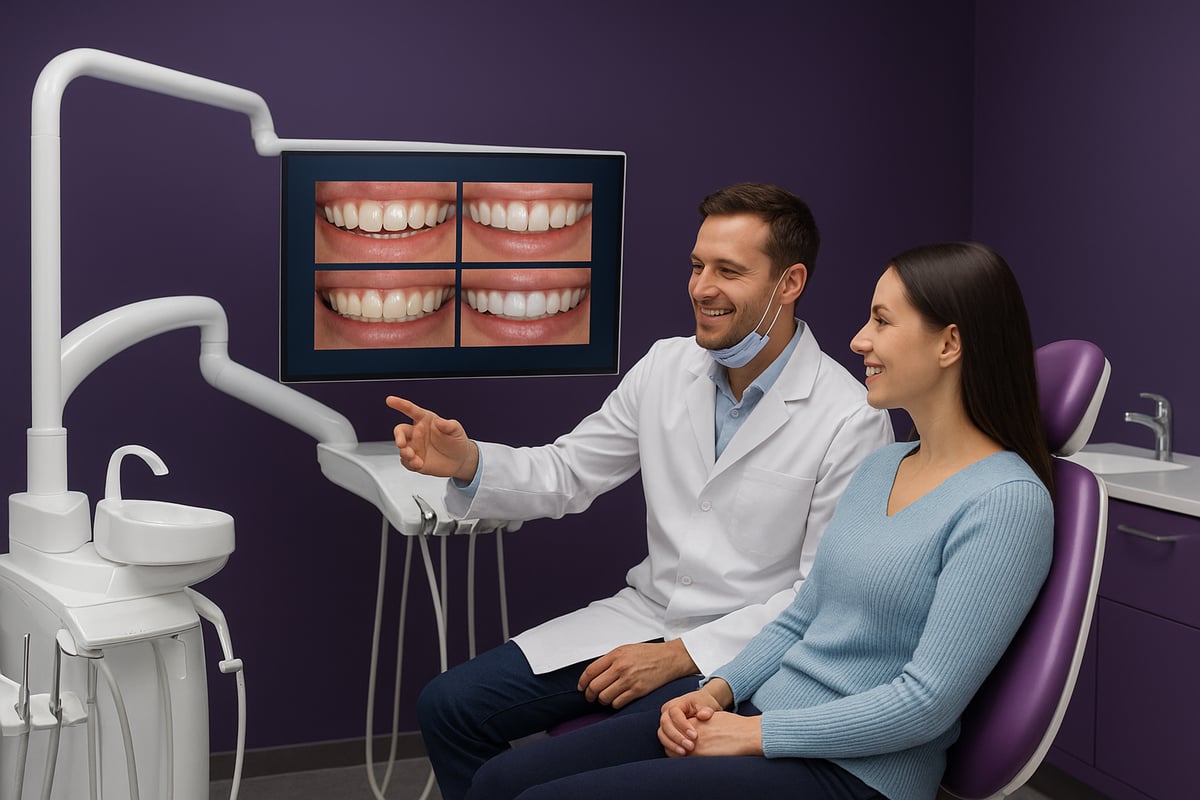
Factors to Consider When Selecting Treatments
Choosing the best smile restoration solution involves weighing several personal and clinical factors. Assess your current oral health, daily habits, and long-term goals. Think about your budget and the level of maintenance you are comfortable with.
A holistic approach ensures that both function and aesthetics are addressed. For example, implants may be ideal for lasting durability, while dentures can suit those seeking a less invasive option. Consider how each method may impact your lifestyle, comfort, and confidence.
Ask your dental professional to compare treatments using a table like this:
| Treatment | Longevity | Maintenance | Cost | Appearance |
|---|---|---|---|---|
| Implants | 15+ years | Low | High | Natural-looking |
| Bridges | 10+ years | Moderate | Mid | Good |
| Dentures | 5-10 years | High | Low | Variable |
Carefully evaluating these factors leads to a smile restoration plan tailored to your needs.
Questions to Ask Your Dentist
Open communication with your dentist is key to successful smile restoration. Prepare a list of essential questions before your consultation to ensure you understand every aspect of the process.
- What are the risks and benefits of each recommended procedure?
- How long will results last, and what maintenance is required?
- Are there alternative or less invasive options?
- What is the expected timeline for the entire smile restoration process?
Discuss the commitment required for treatments like orthodontics versus cosmetic enhancements. Understanding these details empowers you to make confident, informed choices about your smile restoration.
Avoiding Common Smile Restoration Pitfalls
Avoiding mistakes is crucial for lasting success with smile restoration. Beware of unregulated or do-it-yourself treatments that promise quick fixes without professional oversight.
Risks include poorly fitting appliances, irreversible damage, or unsatisfactory aesthetic results. Mail-order aligners, for example, may seem convenient, but without personalized supervision, they can lead to complications.
Always seek a thorough diagnosis and realistic expectations from a qualified dental team. Investing in professional smile restoration ensures safety, effectiveness, and a natural-looking outcome that enhances your confidence.
The Value of Professional Expertise
Selecting a highly qualified dental professional is the foundation of successful smile restoration. Look for practitioners with specialized training, a proven track record, and positive patient reviews.
Review before-and-after galleries and verify credentials, such as memberships in recognized dental organizations. According to the Dental Practice Report, 82 percent of successful restorations are linked to care from specialists.
Entrusting your smile restoration to an expert ensures meticulous planning, advanced techniques, and optimal results that last.
Azure Dental: Pain-Free, Comprehensive Smile Restoration in Liverpool
Azure Dental stands out as Liverpool’s premier clinic for comprehensive smile restoration. The team offers fully personalized plans, advanced digital technology, and a broad spectrum of restorative and cosmetic services.
Nervous patients benefit from sedation options and a supportive environment. Transparent pricing and free consultations make it easy to explore your options with confidence.
Numerous patient smile transformation testimonials highlight life-changing results and high satisfaction, providing real-world assurance that your smile restoration journey is in expert hands.
Maintaining Your Restored Smile: Long-Term Care Strategies
Maintaining the results of your smile restoration requires a proactive and informed approach. A beautiful, healthy smile is an investment, and keeping it at its best means adopting daily habits and professional routines designed for longevity. Let’s explore the essential strategies that ensure your restored smile remains radiant and strong for years to come.
Daily Oral Hygiene Best Practices
Consistent oral hygiene is the foundation of lasting smile restoration. Brush twice daily with a soft-bristled toothbrush and fluoride toothpaste. Floss at least once each day, using special floss threaders or interdental brushes if you have bridges or implants.
Consider adding an alcohol-free mouthwash to your routine, which helps control bacteria and protect restorations. For those with composite bonding, follow the Composite bonding for smile repair guidelines to avoid abrasive products that may scratch your restoration’s surface.
Tailoring your hygiene routine to the specific type of smile restoration you have improves comfort and longevity. Regular habits not only safeguard your investment but also support overall oral health.
Professional Dental Care and Check-Ups
Even with diligent home care, professional dental visits are crucial for preserving your smile restoration. Schedule cleanings and exams at least twice a year. These appointments allow your dentist to detect early signs of wear, decay, or gum disease before they threaten your restored teeth.
Routine check-ups ensure restorations remain secure and functional. Your dental team can also polish and adjust restorations as needed, addressing minor issues before they escalate. According to the ADA, attending biannual visits can reduce restoration complications by 60 percent.
Staying committed to professional care is one of the most effective ways to protect your smile restoration and maintain confidence in your results.
Nutrition and Lifestyle Considerations
What you eat and drink has a direct impact on the success of your smile restoration. Limit sugary snacks and acidic foods, which can erode natural and restored teeth alike. Avoid sticky candies that may dislodge crowns, bridges, or veneers.
Choose water, milk, and non-staining beverages over coffee, tea, or red wine to keep your smile bright. Quitting smoking is essential, as it stains restorations and increases the risk of gum disease.
For patients with new implants or dentures, opt for soft, nutrient-rich foods during the initial healing phase. Adopting these lifestyle habits supports the longevity of your smile restoration and promotes overall oral wellness.
Managing Wear, Tear, and Emergencies
All dental work experiences wear over time, so it’s important to monitor your smile restoration for changes. Watch for signs like chips, cracks, looseness, or discomfort. Addressing small issues early can prevent bigger problems down the road.
If you experience an emergency, such as a lost crown or fractured veneer, contact your dentist promptly. In the meantime, avoid chewing on the affected side and keep the area clean.
Knowing how to respond to emergencies helps you protect your investment and ensures your smile restoration remains both functional and attractive for the long term.
Upgrading and Refreshing Your Smile Over Time
Dental technology is constantly advancing, making it easier to upgrade or refresh your smile restoration as needed. Over time, restorations may require touch-ups, repairs, or replacements to maintain their optimal appearance and function.
Modern options include replacing traditional dentures with implant-supported solutions or updating older crowns with more lifelike materials. For those interested in the latest advancements, explore 10 Dental Technologies That Inspire for 2025 to discover tools and techniques that may enhance your future treatments.
Staying informed and working with your dental professional means your smile restoration will continue to deliver confidence and comfort, year after year.
Building Confidence Beyond Your Smile
Smile restoration is more than a physical transformation, it’s a journey that can reshape your confidence and outlook. When you invest in your smile, you invest in your self-esteem, social presence, and future opportunities. Let’s explore how the benefits extend far beyond the dental chair.
The Psychological Impact of Smile Restoration
A restored smile often leads to a profound boost in self-image and mental well-being. Many patients report feeling more outgoing and at ease in both social and professional settings after undergoing smile restoration. In fact, 96% of adults believe a healthy smile makes a person more attractive, according to the AACD.
The growing demand for smile restoration is reflected in market trends, with the Dental Restoration Market Analysis 2025-2029 highlighting how dental cosmetic solutions are empowering more people to take control of their appearance.
Consider the story of a patient who, after a comprehensive smile restoration, found the confidence to pursue new career opportunities and form meaningful connections.
Smile Confidence in Daily Life
Embracing your new smile can take some practice, especially if you have struggled with insecurities in the past. Simple habits, such as practicing your smile in the mirror and using positive self-talk, can help you project confidence naturally. Smile restoration equips you with a smile you can be proud of, but building confidence is an ongoing process.
Try these tips:
- Focus on good posture to enhance your presence
- Use gentle facial exercises to relax your muscles
- Surround yourself with supportive friends and family
One patient shared how, after smile restoration, they felt comfortable smiling in photos for the first time in years, transforming their daily interactions.
Maintaining Motivation for Oral Health
After investing in smile restoration, maintaining your results becomes a rewarding goal. Setting small, achievable milestones, such as scheduling routine check-ups or mastering a new oral hygiene technique, can keep you motivated. Support from dental professionals and online communities can provide encouragement and accountability.
Consider creating a progress journal or sharing your journey with others who have undergone smile restoration. This sense of community can turn oral health maintenance into a shared, uplifting experience.
For example, patients who joined online forums reported feeling more inspired to stick to their care routines, celebrating each milestone along the way.
Embracing a Lifetime of Smiling
The benefits of smile restoration last well beyond the initial treatment phase. By staying proactive with oral health and self-care, you ensure your smile remains bright and functional for years to come. Regular dental visits and healthy habits become part of a lifestyle that supports your overall well-being.
A restored smile can inspire positive changes in other areas of your life, from nutrition to self-confidence. Patients often find that their renewed smile encourages them to adopt healthier habits, reinforcing a cycle of well-being.
Embrace the journey, knowing that smile restoration is an investment in a lifetime of confidence and health.
After exploring the latest advancements in smile restoration and understanding how a confident smile can transform your well-being, you might be wondering what your personal journey could look like. At Azure Dental, we believe everyone deserves to feel proud of their smile—no matter your starting point or goals. If you’re ready to discover tailored solutions and get expert advice on the best options for you, why not take the first step from the comfort of home You can connect with our team for a Free Virtual Consultation and start planning your transformation today.