
Best way to whiten teeth: This guide compares dentist whitening vs home kits (strips, trays and LED); therefore, you can choose the safest, most effective option for your enamel and sensitivity. However, not every product suits every mouth. Therefore, start with a quick check of gums and sensitivity. Moreover, focus on even contact, not gimmicks. In addition, plan for top-ups so results last. Consequently, you’ll spend once and choose well.
However, if you’re unsure, a quick assessment helps. Therefore, you avoid patchy results; moreover, you reduce sensitivity. In addition, you’ll know whether dentist whitening vs home kits makes sense for your teeth. Consequently, you can pick the best way to whiten teeth with confidence.
Best way to whiten teeth:
dentist vs at-home
The best way to whiten teeth depends on enamel, sensitivity risk and timeline. However, the most even results usually come from controlling strength, fit and wear time. Therefore, compare strips, trays, LED kits and dentist whitening—then pick the safest route for your smile.
Consultation fee: £50 (deducted from treatment if you go ahead). Consequently, you get clear advice before spending on products that don’t suit your teeth.
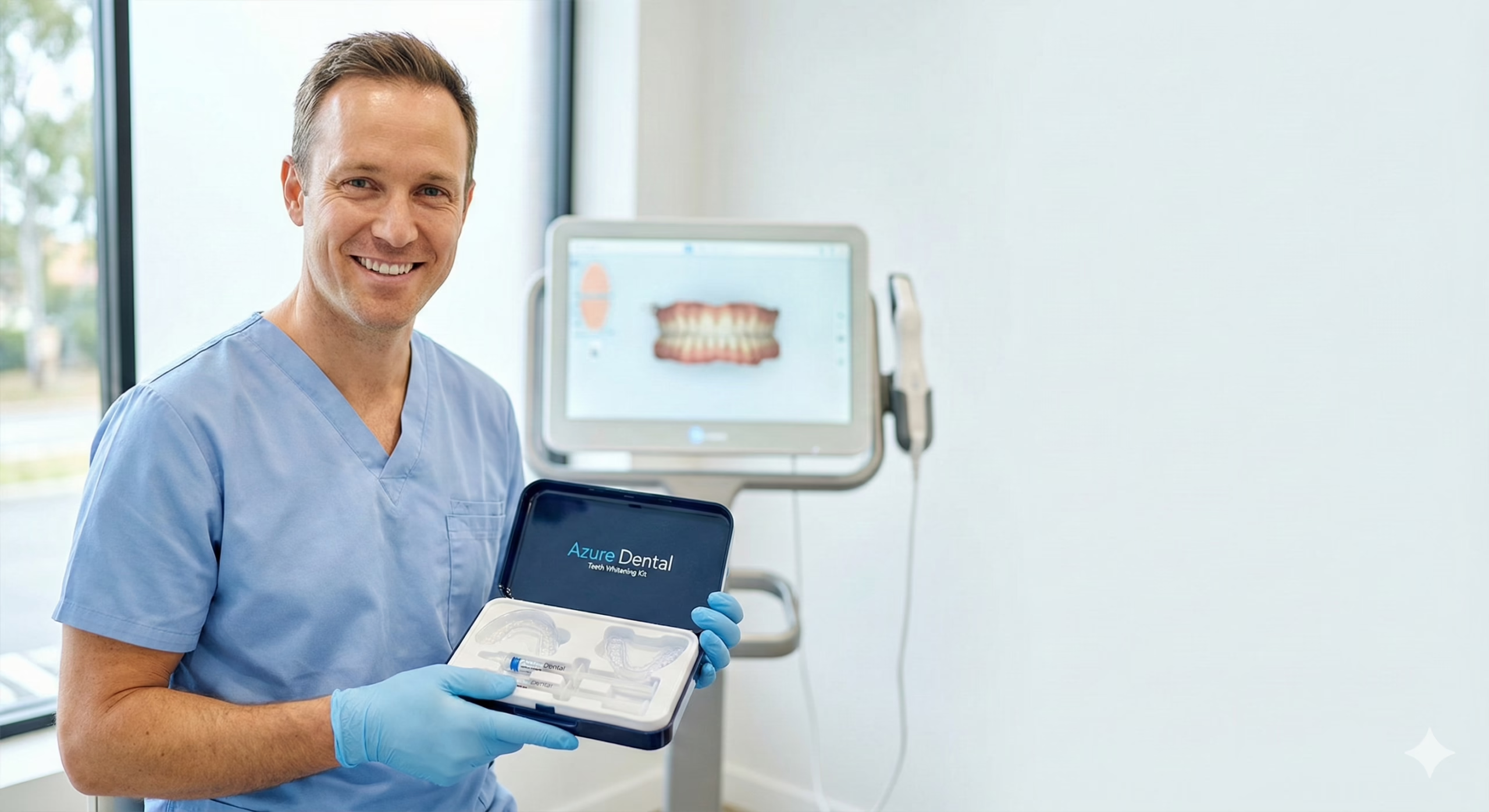
Best way to whiten teeth: quick answer
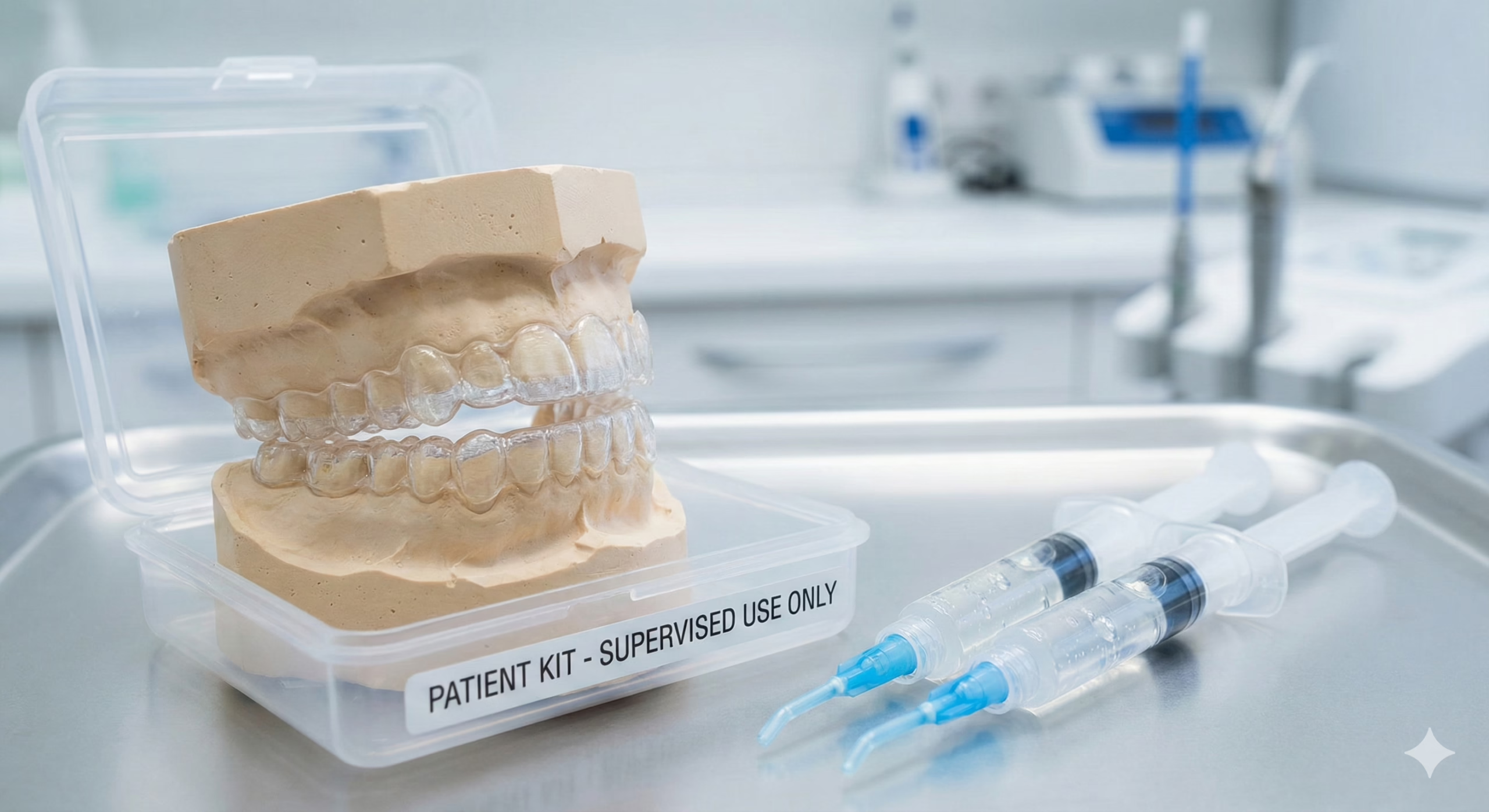
Best way to whiten teeth for most adults
For most adults, custom trays are a strong option. Moreover, the approach is gradual, so shade change is easier to control. As a result, you typically get a more even finish.
- Best value: custom trays (steady change + easy top-ups)
- Best for speed: in-chair whitening (deadline-friendly)
- Best for stubborn staining: home phase + in-practice boost
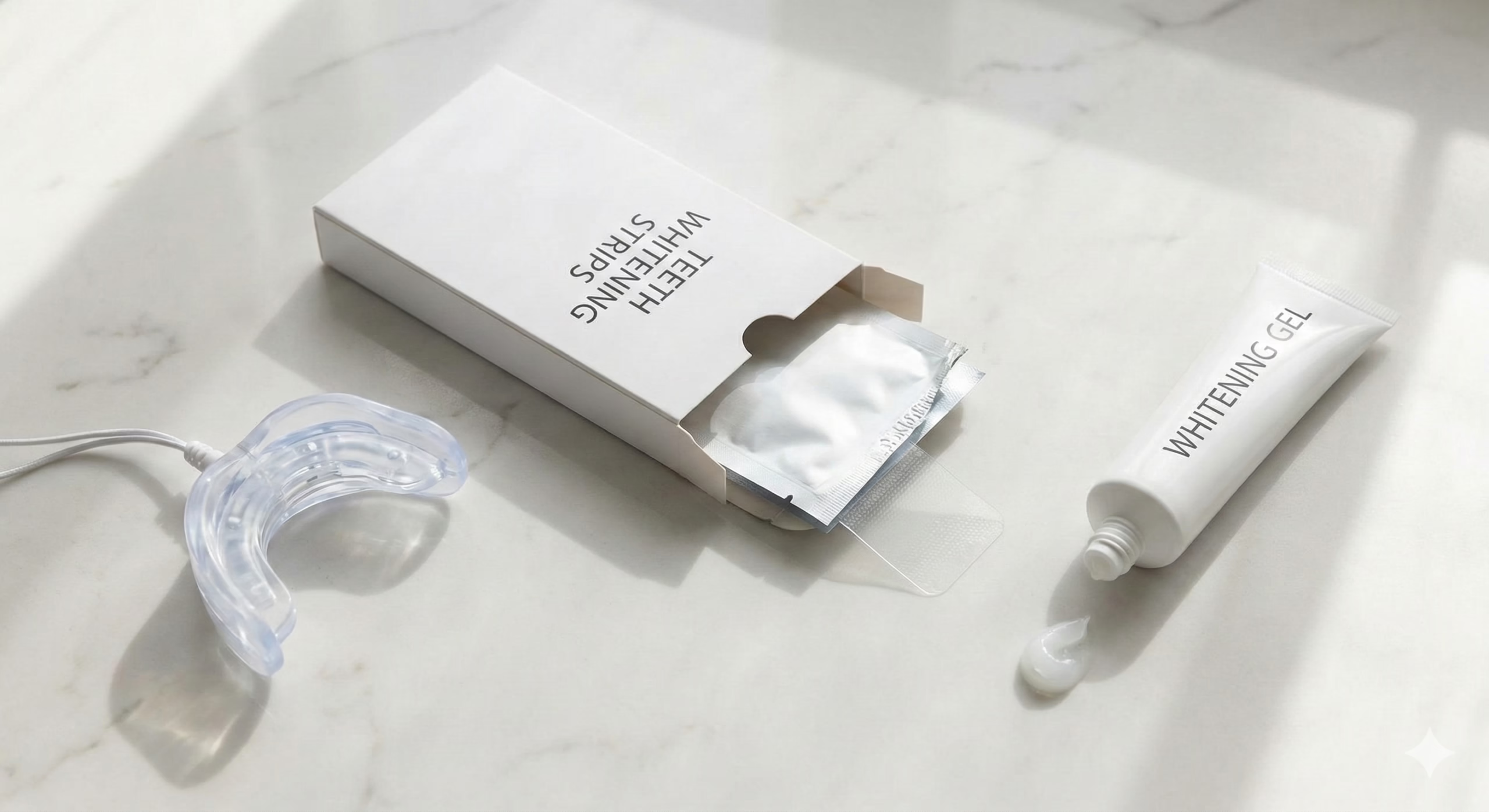
Dentist whitening vs home kits
DIY can be tempting because it’s quick to buy. However, fit and dosing vary, so results can be patchy. Meanwhile, supervised plans are more consistent because timing and strength are controlled.
- Worth considering: custom trays
- Sometimes useful: reputable strips for mild staining
- Often disappointing: LED devices (the gel does the work)
Which whitening system works best?
If you’re deciding between dentist whitening vs home kits, start with outcomes and risk. Therefore, match the method to enamel, sensitivity and deadline. Ultimately, the best way to whiten teeth is the method you can use safely and consistently.
Toothpaste
Not true whitening
Mostly stain control. For example, it can help after treatment, but it won’t change internal tooth shade.
OTC strips
Mild results
Can brighten slightly; however, generic fit can mean uneven contact and patchiness.
LED devices
Often marketing
The gel does the work. Moreover, poor fit increases gum contact, so comfort varies.
Dentist whitening
Best overall
Custom trays and/or in-chair whitening. Consequently, results are more predictable and controllable.
Dentist whitening vs home kits: below is a quick side-by-side so you can choose the best way to whiten teeth based on speed, sensitivity and consistency.
| Method | Best for | Timeline | Expected change | Sensitivity risk | Verdict |
|---|---|---|---|---|---|
| Toothpaste / stain removers | Maintenance | Ongoing | Surface only | Low | Maintenance |
| OTC strips / pens | Mild staining | 1–2 weeks | Low–moderate | Medium | Mild cases |
| LED devices | “Tech” appeal | Varies | Unpredictable | Medium | Often not worth it |
| Custom trays | Most adults | 1–3 weeks | Moderate–high | Low–medium | Best value |
| In-chair whitening | Fast results | Single visit + optional home phase | High (immediate) | Medium | Best for speed |
In short, if you want the best way to whiten teeth with fewer surprises, pick the option that controls fit, strength and wear time. As a result, you get a more even finish and a smoother experience.
Internal links that remove booking friction
If you’re searching the best way to whiten teeth, these pages answer the “deal-breaker” questions. Therefore, they help you decide faster and avoid wasted spend. As a result, the best way to whiten teeth becomes a straightforward decision rather than guesswork.
Moreover, if you’re comparing dentist whitening vs home kits, these links prevent expensive trial-and-error. Consequently, you can choose the best way to whiten teeth for your timeline and sensitivity.
Who the best way to whiten teeth is for
In practice, the best way to whiten teeth is the option that matches your enamel, sensitivity risk and deadline—so you get an even result without overdoing it.
Professional whitening is ideal if…
- You want an even result (front teeth matter)
- You have a deadline (wedding, holiday, event)
- You’re sensitivity-prone and want a controlled plan
- You tried DIY; yet it looked patchy
Therefore, if predictability matters, dentist whitening vs home kits is usually a clear win. Moreover, it often feels easier because you’re not guessing.
Be cautious with DIY if…
- You already have sensitivity, recession or gum issues
- You have cracks, wear or exposed root surfaces
- You have visible crowns/veneers/fillings (they won’t change shade)
In other words: check first, then proceed. Consequently, you reduce surprises and protect enamel.
Protecting enamel
Therefore, the best method to whiten teeth is usually the one that controls fit and gel contact—especially if you’re choosing between dentist whitening vs home kits.
What’s normal
- Temporary sensitivity for a few days
- Mild gum irritation if gel touches gums
- Occasional “zingers” in already-sensitive teeth
However, whitening isn’t one-size-fits-all. Therefore, we adjust strength and wear time; moreover, we’ll tell you when to pause and when to continue.
What’s not normal
- Burning or blistering gums
- Severe pain that doesn’t settle
- Use over active decay or gum disease
Therefore, assessment first, then whitening. Consequently, you protect enamel and avoid avoidable complications.
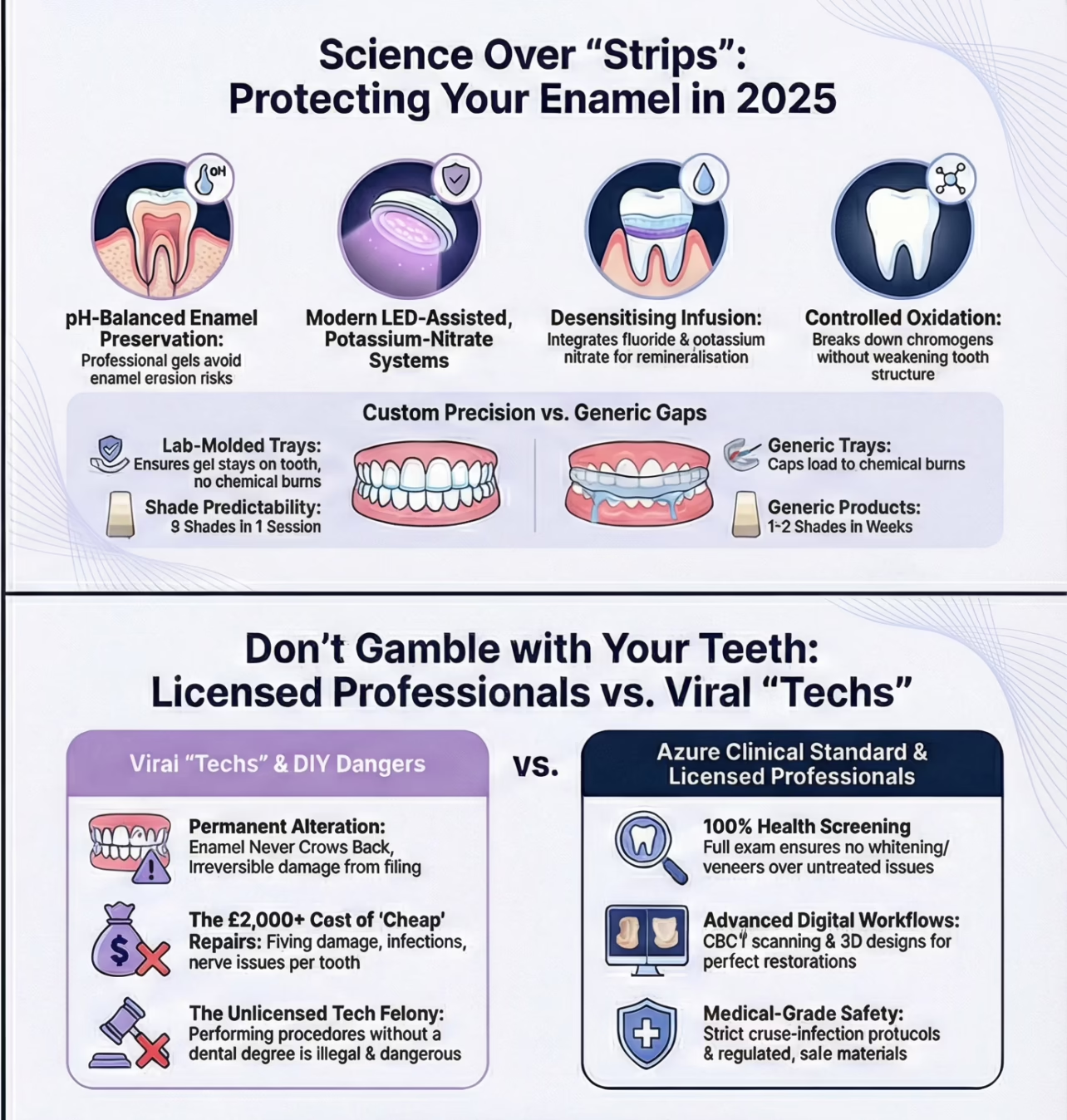
Why supervision protects enamel
At-home approaches aren’t automatically “bad”; however, outcomes depend on diagnosis, safe gel use and fit. Therefore, the best way to whiten teeth is usually a plan tailored to enamel and gums.
Tap to enlarge.
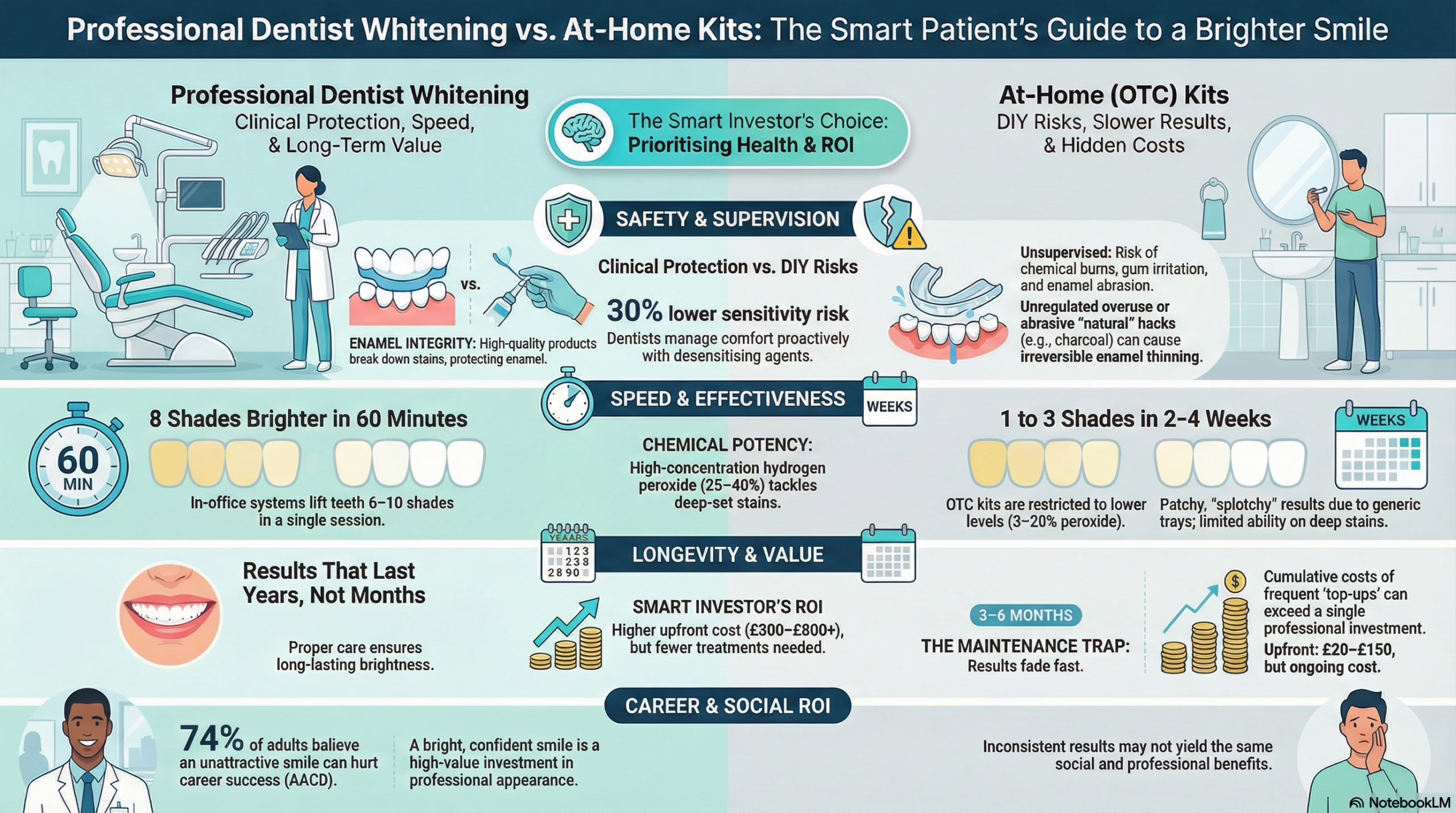
Professional vs DIY: the real trade-offs
DIY can be cheaper upfront; nevertheless, results can be slower and less even. By contrast, supervised care is more controlled, so you usually get better consistency and fewer surprises.
Tap to enlarge.
FAQs
Best way to whiten teeth: these quick answers cover dentist whitening vs home kits, sensitivity, and what to do next.