
Are tooth gaps making you self-conscious about your smile? Imagine closing those spaces quickly and confidently with the latest advances in cosmetic dentistry.
Today, more people are seeking fast, effective solutions to improve their smiles. Gap dental bonding is emerging as a leading choice for anyone looking to correct small gaps without lengthy or invasive treatments.
This comprehensive guide will walk you through everything you need to know about gap dental bonding. You will discover how it works, who it is best for, and how it compares to other cosmetic options.
Ready to achieve a confident, gap-free smile? Read on to find out how you can take the first step toward lasting results.
Understanding Gap Dental Bonding: What Is It and How Does It Work?
Are you curious about how gap dental bonding can transform your smile in a single visit? This minimally invasive cosmetic solution has quickly become a top choice for closing small gaps, especially those between front teeth.
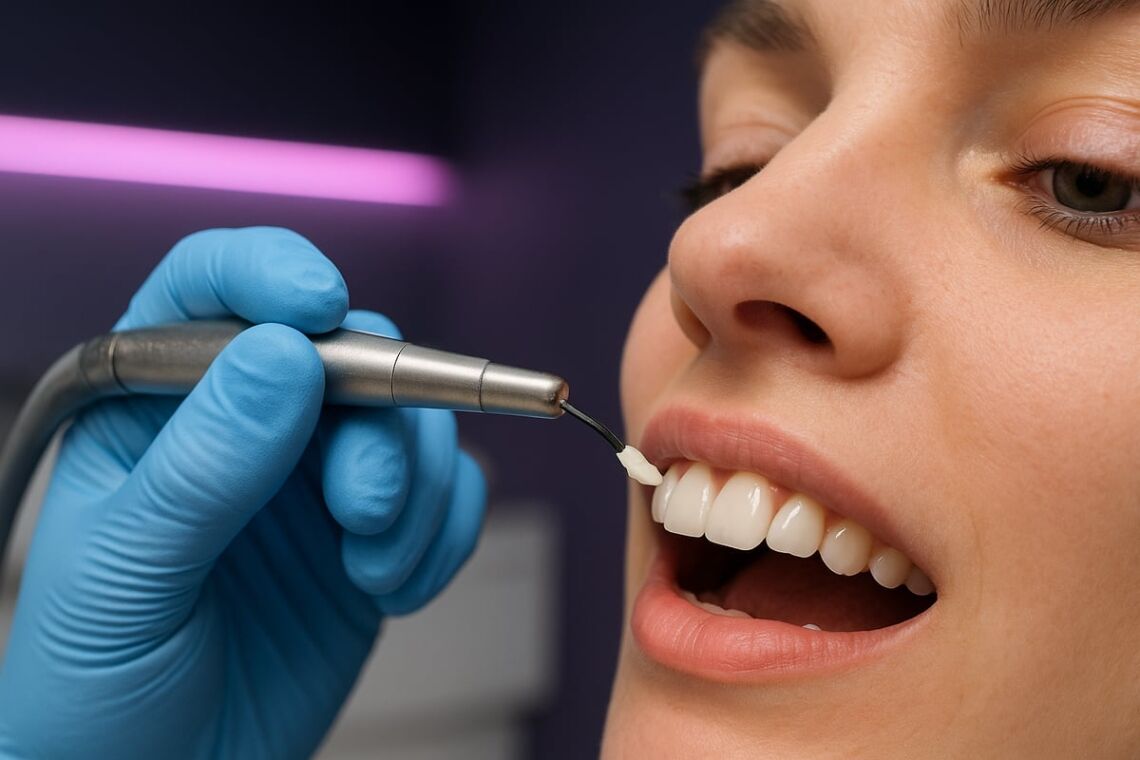
What Is Gap Dental Bonding?
Gap dental bonding is a cosmetic dental procedure that uses advanced composite resin to fill and close spaces between teeth, most commonly addressing minor gaps called diastema. The science behind this treatment relies on a specially formulated, tooth-colored composite material that bonds directly to your natural teeth.
This resin is carefully selected to match your tooth shade, ensuring a seamless, natural finish. Once applied and sculpted by the dentist, the resin is hardened with a curing light, instantly creating a durable and aesthetic result.
How Does Bonding Differ from Other Cosmetic Procedures?
Unlike veneers or crowns, gap dental bonding is minimally invasive. There is no need for drilling, needles, or removal of healthy enamel. While orthodontic treatments like braces or aligners can also close gaps, they require months of adjustment and are better suited for larger gaps or bite issues.
Here’s a quick comparison:
| Treatment | Visits Needed | Invasiveness | Longevity | Best For |
|---|---|---|---|---|
| Gap Dental Bonding | 1 | No drilling or enamel removal | 3–7 years | Small gaps, front teeth |
| Veneers | 2+ | Enamel removal required | 10–15 years | Multiple cosmetic concerns |
| Crowns | 2+ | Tooth reshaping needed | 10+ years | Damaged or large gaps |
| Braces/Aligners | Several months | Non-invasive | Permanent | Large gaps, bite correction |
To see how gap dental bonding fits into the broader landscape of cosmetic dentistry, you can explore more about Cosmetic Dentistry Treatments Overview.
Why Is Gap Dental Bonding So Popular?
Most gap dental bonding procedures are completed in under 60 minutes, often in a single appointment. Patients appreciate that there is no recovery time, so they can return to daily activities right away.
The technique is especially popular for closing gaps up to 2mm between front teeth. The process is gentle and comfortable, making it an excellent choice for those seeking immediate results without the commitment or cost of more extensive treatments.
Example: Seamless Results in One Visit
Consider a patient with a 2mm space between their upper front teeth. In a single visit, the dentist selects the perfect composite shade, prepares the tooth surface, and skillfully applies the resin. After shaping and curing, the gap is closed, and the patient leaves with a natural-looking, confident smile.
Affordability and Accessibility
Gap dental bonding is among the most affordable cosmetic dental treatments. Its accessibility makes it a preferred option for many patients looking for quick, non-invasive improvement. The results are impressive, and maintenance is straightforward, which adds to its growing demand.
Gap dental bonding continues to set the standard for fast, effective, and natural-looking gap closure, making it a leading solution in modern cosmetic dentistry.
Is Dental Bonding Right for Your Tooth Gap? Indications, Limitations & Suitability
If you are considering gap dental bonding, understanding whether you are an ideal candidate is essential. This cosmetic solution is specifically designed for those with minor gaps seeking a fast, affordable, and minimally invasive fix. But is gap dental bonding the right choice for your unique smile?

Who Is an Ideal Candidate for Gap Dental Bonding?
Gap dental bonding is best suited for individuals with:
- Small gaps, usually 2mm or less, primarily located between the front teeth.
- Healthy teeth and gums, free from significant decay or gum disease.
- No severe bite issues or misalignment that could compromise the bonding’s longevity.
This treatment is especially popular among adults who want quick improvements without the time and expense of braces or veneers. For many, it is a first step toward a more confident, natural-looking smile.
Table: Gap Dental Bonding Suitability Overview
| Criteria | Suitable for Bonding? |
|---|---|
| Gap size ≤ 2mm | Yes |
| Healthy tooth structure | Yes |
| No severe bite problems | Yes |
| Large gaps > 2mm | No |
| Heavy grinding (bruxism) | No |
Limitations and Contraindications
While gap dental bonding is a versatile procedure, it is not suitable for everyone. There are several limitations you should consider before choosing this option:
- Large gaps: If your gap is greater than 2mm, bonding may not provide lasting results, and orthodontic treatments might be more effective.
- Severe crowding or bite issues: Misaligned teeth or bite problems can put excessive pressure on the bonding, leading to premature failure.
- Bruxism (teeth grinding): Patients who grind their teeth are at higher risk for chipping or breaking the bonded material.
- Poor oral hygiene: Cavities, gum disease, or lack of proper care can compromise the success of gap dental bonding.
Contraindications to keep in mind:
- Large diastema (gap)
- Excessive biting pressure or habits like biting nails
- Insufficient enamel or weak tooth structure
- High risk of chipping due to lifestyle or dental health
When Is Gap Dental Bonding Preferred Over Other Treatments?
Gap dental bonding stands out when a patient desires quick, non-invasive gap closure at a lower cost. Compared to veneers or orthodontic solutions, bonding requires no removal of healthy enamel and is typically completed in a single visit.
Dentists often recommend gap dental bonding for minor shape corrections, chipped edges, or uneven front teeth. As highlighted in the Smile Makeover Composite Bonding testimonial, patients seeking immediate cosmetic transformation often report renewed confidence after this simple procedure.
Professional insight: “Bonding is best for minor cosmetic changes and single-visit transformations. It’s an excellent option for those who want to enhance their smile quickly without committing to more invasive treatments.”
Addressing Common Questions: Permanence and Gap Reopening
Is gap dental bonding permanent? While highly effective, bonding is not considered a permanent solution. With proper care, results typically last 3–7 years. Over time, the composite material may stain, chip, or wear, especially if exposed to hard foods or excessive force.
What if the gap reopens? In rare cases, gaps may reappear due to shifting teeth or biting habits. Fortunately, touch-ups are simple and affordable, allowing your dentist to restore your smile to its best.
Before-and-after example:
A patient with a chipped front tooth and a 1.5mm gap received gap dental bonding in a single appointment. The result was a seamless, natural-looking smile that boosted their self-esteem and required no downtime.
Competitor data: Most clinics recommend gap dental bonding for visible front tooth gaps and minor shape corrections, noting its speed and cost-effectiveness compared to other options.
In summary, gap dental bonding is ideal for those with small, stable gaps and healthy teeth, offering an accessible path to a more confident smile. If you fit these criteria, consult with your dentist to determine if this treatment is your best solution.
Gap Bonding vs. Other Gap Closure Treatments: Pros, Cons & Cost Comparison
Choosing the right solution for closing tooth gaps can be overwhelming. With advances in cosmetic dentistry, patients have more options than ever. Understanding how gap dental bonding compares to veneers, crowns, and orthodontic treatments will help you make an informed decision for your smile.
Comparing Your Options: Treatment Breakdown
Gap dental bonding is often the top choice for minor gaps, especially in visible front teeth. It stands out for its speed, affordability, and minimal invasiveness. In contrast, veneers and crowns require more preparation and higher costs, while orthodontic options are best for larger gaps or bite issues.
Below is a side-by-side comparison of the most popular gap closure treatments:
| Treatment | Visits | Cost | Invasiveness | Longevity | Best For | Appearance |
|---|---|---|---|---|---|---|
| Gap Dental Bonding | 1 | Low | Non-invasive | 3–7 years | Small gaps, quick fixes | Highly natural |
| Veneers | 2+ | High | Enamel removal | 10–15 years | Multiple/cosmetic issues | Excellent |
| Braces/Aligners | Months | High | Non-invasive | Permanent | Large gaps, bite correction | Natural, gradual |
| Crowns | 2+ | High | Tooth reshaping needed | 10–15 years | Damaged teeth, large gaps | Very natural |
Gap dental bonding usually takes less than an hour and does not require drilling, needles, or removal of healthy tooth enamel. Veneers, while offering longer-lasting results, involve shaving down tooth structure and multiple appointments. Braces and clear aligners move teeth gradually, which is ideal for significant spacing but requires months of commitment. Crowns are typically reserved for cases involving structural damage or very large gaps.
Pain, Downtime, and Reversibility
Patients often prefer gap dental bonding because it is pain-free, requires no anesthesia, and allows immediate return to daily activities. Veneers and crowns may cause temporary sensitivity and involve a recovery period after tooth preparation. Orthodontic treatments can cause discomfort as teeth shift and require regular adjustments.
Bonding is also reversible, as it does not permanently alter the underlying tooth. Veneers and crowns are not reversible, since they require removal of natural enamel. Braces and aligners change tooth position permanently, which is ideal for bite correction but not always necessary for minor gaps.
Real Patient Scenarios: When Is Bonding the Smart Choice?
Gap dental bonding is ideal for patients with small diastemas, minor chips, or uneven edges. For example, a patient with a 2mm gap between their front teeth can often achieve a seamless result in a single visit. If you want to see a real-world case of bonding closing gaps and transforming a smile, review this Align, Bleach, and Bond Case Study.
If your gap is larger, or if you have bite misalignment, orthodontic treatment may be recommended. Veneers are often chosen when multiple cosmetic improvements are desired, such as reshaping and whitening.
Summary: Pros, Cons, and Cost Insights
- Gap dental bonding: Fast, affordable, non-invasive, best for minor gaps
- Veneers: Durable, natural-looking, multi-purpose, but more expensive and invasive
- Braces/aligners: Permanent tooth movement, best for complex cases, higher cost and time
- Crowns: Reserved for structural damage or large gaps, more invasive, higher cost
Competitor insights show that gap dental bonding remains the fastest and most cost-effective approach for closing minor gaps with immediate, natural-looking results. It is often the first choice for those seeking a confident smile without extensive dental work.
Aftercare and Longevity: How to Maintain Your Bonded Smile
A beautiful result from gap dental bonding can last for years with the right aftercare. Protecting your new smile requires attention to daily habits, smart choices, and regular dental visits. Let us explore how to keep your bonded teeth looking their best and feeling natural.
Oral Hygiene and Daily Care
Caring for your bonded teeth begins with excellent oral hygiene. Brush at least twice daily using a soft-bristled toothbrush and non-abrasive toothpaste. Floss once a day to remove plaque between the teeth and around the bonded area. Consistent cleaning helps your gap dental bonding resist discoloration and plaque buildup, preserving its natural appearance.
Use an alcohol-free mouthwash to support gum health and prevent bacteria from accumulating. Pay extra attention to the gum line and bonded surfaces, as these areas are most vulnerable to staining and decay. Gentle care also helps avoid accidental damage, keeping your smile flawless.
Foods, Habits, and Staining Risks
Certain foods and habits can shorten the lifespan of gap dental bonding. Avoid chewing on ice, biting fingernails, or using your teeth to open packages. Hard candies and tough foods can chip or crack the composite resin.
Staining is another concern. Limit your intake of coffee, tea, red wine, and deeply colored foods. If you smoke, consider quitting, as tobacco can discolor the bonding. Drinking through a straw may help reduce staining from beverages. These small adjustments will help maintain the brilliance of your smile.
Professional Maintenance and Longevity
Regular dental check-ups are essential to monitor the condition of your gap dental bonding. Schedule cleanings every six months so your dentist can remove stubborn stains and polish the bonded area. If you notice roughness, chips, or changes in color, report them promptly. Repairs are usually quick and cost-effective.
With proper care, bonding typically lasts three to seven years. According to research on long-term retention after diastema closure, many patients enjoy stable results with routine maintenance. Your dentist may recommend touch-ups or protective measures if you show signs of wear or bruxism.
Step-by-Step Maintenance Guide and Common Concerns
To maximize the longevity of your gap dental bonding, follow these steps:
- Brush twice daily with a gentle touch.
- Floss carefully, especially near bonded areas.
- Rinse with an alcohol-free mouthwash.
- Avoid biting hard objects and staining foods.
- Visit your dentist for check-ups and professional cleaning.
Many patients ask if bonded teeth feel different. The answer is that most people adapt quickly, and the resin blends seamlessly with natural enamel. While bonded teeth cannot be whitened, professional cleaning can remove surface stains and your dentist can refresh the resin if needed.
A little attention to daily habits goes a long way in keeping your bonded smile bright for years.
Frequently Asked Questions About Gap Dental Bonding
If you are considering gap dental bonding, you likely have a few important questions before deciding if it is the right solution for you. This FAQ covers the most common concerns, helping you make an informed choice about closing tooth gaps quickly and confidently.
Does gap dental bonding hurt?
No, gap dental bonding is a pain-free procedure. Most patients report feeling nothing during the process since anesthesia is typically not necessary. The treatment is gentle and minimally invasive, making it a comfortable choice for closing small gaps.
How much does gap dental bonding cost?
Gap dental bonding is generally more affordable than other cosmetic options like veneers or orthodontics. The exact price varies between clinics, but it is widely considered one of the most cost-effective gap closure solutions.
Can I eat normally after gap dental bonding?
Yes, you can eat as usual after the procedure. However, it is best to avoid hard or sticky foods for the first few hours to protect the newly bonded area. After that, you can resume your regular diet.
How long does the procedure take?
Most gap dental bonding appointments are completed in 30 to 60 minutes per gap. Many patients appreciate the efficiency, as the treatment is often finished in a single visit with no recovery time needed.
Will the bonding look natural?
When performed by an experienced dentist, gap dental bonding blends seamlessly with your natural teeth. The composite resin is carefully shade-matched and sculpted, resulting in an invisible repair that restores confidence in your smile.
What if the bonding chips or stains?
Bonded areas can sometimes chip or stain over time, especially with frequent exposure to foods or drinks that cause discoloration. Repairs and touch-ups are simple and cost-effective, allowing your dentist to restore the appearance quickly. For details on the latest advances that improve durability, see Advancements in Dental Composites.
Is bonding covered by dental insurance?
Gap dental bonding is usually considered a cosmetic procedure, so most insurance plans do not cover it. It is always best to check with your provider for specific policy details.
Can bonding close gaps in back teeth?
Gap dental bonding is most effective for visible front teeth. It is not typically recommended for back teeth, as these areas experience higher biting forces and may not retain the bonding material as well.
Are there risks or side effects?
Risks with gap dental bonding are minimal. Some patients experience mild sensitivity or, in rare cases, an allergic reaction to the materials. Choosing a reputable provider and following aftercare instructions reduces the likelihood of complications.
For more information about alternative dental treatments for gap closure, visit Dental Treatment Options.
2026 Innovations and Trends in Gap Dental Bonding
The world of gap dental bonding is evolving rapidly, with 2026 bringing a wave of innovations that enhance both patient experience and clinical outcomes. Today, composite resin materials are stronger, more stain-resistant, and more lifelike than ever before. These improvements mean that gap dental bonding can deliver natural-looking results that last longer and resist everyday wear. Cutting-edge research into antibacterial dental resins is also helping to improve the longevity of bonded restorations, as highlighted in the Antibacterial Dental Resins Review, making treatments safer and more durable for patients.
Digital technology is transforming the precision and efficiency of gap dental bonding. Dentists now use advanced shade-matching tools and 3D modeling software to create seamless, custom results. AI-driven treatment planning allows for highly accurate placement of composite resin, ensuring that each patient receives a personalized and predictable outcome. Same-day digital smile design is gaining popularity, enabling patients to preview their new smiles before the bonding procedure begins.
Industry trends reveal that patients are increasingly seeking quick, affordable, and minimally invasive solutions for closing tooth gaps. The demand for gap dental bonding is rising globally, driven by busy lifestyles and the desire for immediate results. According to the Dental Composite Materials Market Trends, the market for advanced composite materials is expected to grow significantly in the coming years, reflecting the widespread adoption of these cutting-edge techniques.
Looking ahead, the future of gap dental bonding is bright. Experts predict that new materials will offer even greater strength and stain resistance, while enhanced bonding protocols will further improve longevity. Integration with orthodontic and cosmetic digital workflows will streamline the patient journey from consultation to final result. Clinics that embrace these innovations will continue to lead the way, ensuring that gap dental bonding remains a top choice for confident, beautiful smiles in 2026 and beyond.
If you’re ready to take the next step toward a more confident, gap-free smile, you’re not alone—many people are choosing dental bonding for its quick, pain-free results and natural appearance. At Azure Dental, we combine advanced technology with a personalised approach, ensuring your treatment is tailored to your unique needs and comfort. Curious about whether dental bonding is right for your smile? You can connect with an expert from the comfort of your home and get professional advice in minutes. Start your journey to a seamless smile today with a Free Virtual Consultation.