
Cosmetic Bonding Teeth: A Complete Guide for 2026
Cosmetic bonding teeth has emerged as one of the most popular and accessible treatments for patients seeking to improve their smile without extensive dental work. This minimally invasive procedure uses tooth-coloured composite resin to repair, reshape, and enhance teeth, offering a swift solution for various aesthetic concerns. Whether you're dealing with chips, gaps, discolouration, or minor misalignments, dental bonding provides an affordable and effective alternative to more complex treatments like veneers or crowns. At Azure Dental, we've seen countless patients regain their confidence through this versatile cosmetic technique.
Understanding Cosmetic Bonding Teeth
Cosmetic bonding teeth involves the application of a composite resin material directly to the tooth surface, which is then sculpted, hardened, and polished to blend seamlessly with your natural teeth. The procedure takes its name from the bonding process itself, where the resin adheres to the tooth structure through chemical and mechanical means.
The composite material used in modern dental bonding has evolved significantly over the past decade. Today's resins offer exceptional strength, durability, and aesthetic qualities that closely mimic natural tooth enamel. According to Authority Dental’s comprehensive guide to dental bonding, these advancements have made bonding a viable long-term solution for many cosmetic concerns.
The Science Behind Tooth Bonding
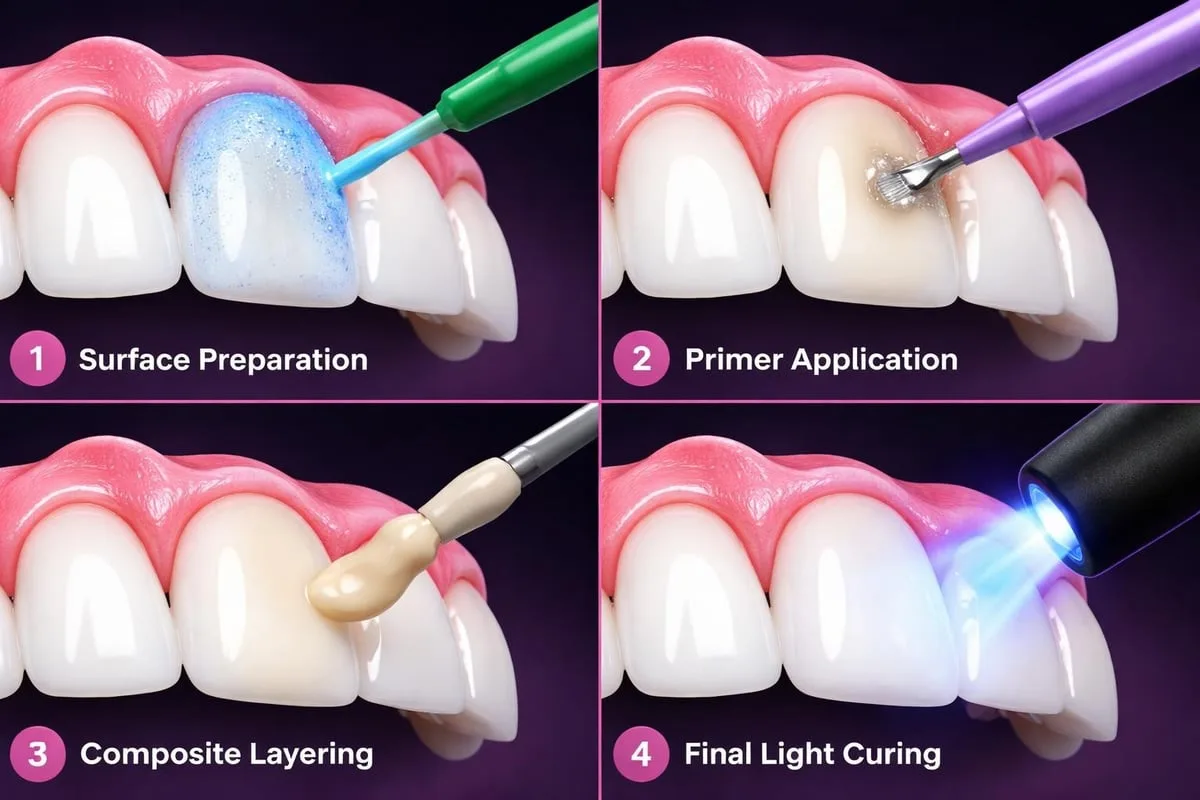
The bonding process relies on a carefully orchestrated series of steps that ensure optimal adhesion and longevity. Your dentist begins by roughening the tooth surface with a mild acidic gel, creating microscopic pores that allow the bonding agent to penetrate and form a mechanical lock with the tooth structure.
Key components of the bonding system include:
- Etching gel to prepare the tooth surface
- Primer to enhance adhesion
- Bonding agent to create the chemical link
- Composite resin in multiple shades for natural appearance
- Curing light to harden and set the material
This multi-layered approach ensures that the cosmetic bonding teeth procedure delivers results that are both aesthetically pleasing and structurally sound. Research published in PubMed highlights how modern techniques combining alignment, bleaching, and bonding (ABB) have revolutionised minimally invasive cosmetic dentistry.
Conditions Treated with Cosmetic Bonding Teeth
Dental bonding offers versatile solutions for numerous aesthetic and minor structural issues. Understanding which concerns can be addressed through this procedure helps patients make informed decisions about their treatment options.
Common Applications
Cosmetic bonding teeth excels at addressing a wide range of dental imperfections. Chipped or cracked teeth represent one of the most frequent reasons patients seek bonding treatment. A small chip from biting hard food or a sports injury can be seamlessly repaired in a single appointment, restoring both function and appearance.
Gaps between teeth, particularly in the front, can be closed using carefully applied composite resin. This approach offers an alternative to orthodontic treatment for minor spacing issues. Similarly, teeth that appear too small or poorly shaped can be augmented to create better proportions and symmetry.
| Dental Concern | How Bonding Helps | Typical Duration |
|---|---|---|
| Chipped teeth | Rebuilds lost structure | 30-60 minutes per tooth |
| Gaps between teeth | Fills spaces with resin | 1-2 hours per gap |
| Discolouration | Covers stained enamel | 30-60 minutes per tooth |
| Minor misalignment | Reshapes for straighter appearance | 1-2 hours |
| Short or worn teeth | Adds length and bulk | 45-90 minutes per tooth |
Discolouration that doesn't respond well to teeth whitening treatments can often be masked with bonding. This proves particularly useful for intrinsic stains caused by medications or developmental conditions.
When Bonding May Not Be Suitable
Whilst cosmetic bonding teeth offers excellent solutions for many patients, certain situations may require alternative approaches. Severely damaged teeth with extensive decay or structural compromise typically need crowns or other restorative work. Similarly, patients with significant bite misalignments may benefit more from orthodontic treatment before considering cosmetic enhancements.
Heavy teeth grinding (bruxism) can compromise bonding longevity, as the composite material may chip or wear prematurely under excessive force. In such cases, addressing the grinding habit first or considering more durable options like porcelain veneers might be advisable.
The Cosmetic Bonding Teeth Procedure
Understanding what happens during a bonding appointment helps patients feel more comfortable and prepared. The process is remarkably straightforward compared to many dental treatments, typically requiring no anaesthesia unless bonding is being used to fill a cavity.
Initial Consultation and Planning
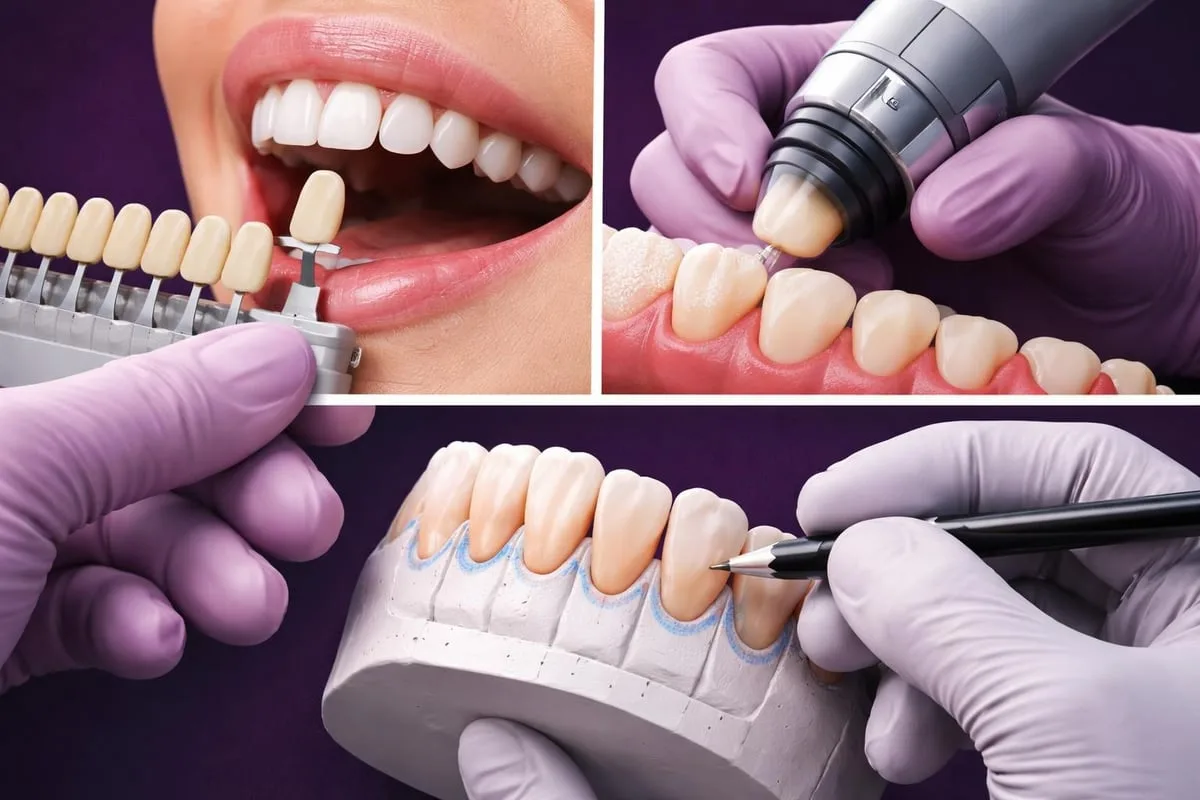
Your journey begins with a thorough examination where your dentist assesses your teeth and discusses your aesthetic goals. At this stage, shade matching becomes crucial. Your dentist will select composite resin colours that precisely match your natural teeth, often using multiple shades to create depth and translucency.
Digital photography and sometimes impressions help in planning the treatment. This documentation ensures that the final result meets your expectations and provides a baseline for future reference.
Step-by-Step Application Process
- Preparation: The tooth surface is cleaned and dried thoroughly
- Etching: A conditioning liquid roughens the tooth surface
- Bonding agent application: A special adhesive is painted onto the tooth
- Resin application: The composite material is applied in layers
- Sculpting: Your dentist shapes the resin to achieve the desired form
- Curing: A blue light hardens each layer of composite
- Refinement: The bonded tooth is trimmed, shaped, and polished
The entire process for cosmetic bonding teeth typically takes between 30 to 60 minutes per tooth. One of the procedure's greatest advantages is that results are immediate-you leave the clinic with your improved smile the same day.
NewMouth’s detailed guide on bonding front teeth provides additional insights into the nuances of treating visible teeth where aesthetics are paramount.
Advantages of Choosing Cosmetic Bonding Teeth
The popularity of dental bonding stems from its numerous benefits, making it an attractive option for patients seeking smile enhancement without extensive intervention.
Cost-Effectiveness and Accessibility
Financial considerations often influence treatment decisions. Cosmetic bonding teeth typically costs significantly less than porcelain veneers or crowns, making smile improvements accessible to a broader range of patients. The single-appointment nature also means fewer visits and less time away from work or daily activities.
Unlike some cosmetic procedures requiring laboratory work, bonding is completed chairside. This direct approach eliminates waiting periods and allows for immediate adjustments based on your feedback during the procedure.
Conservative and Reversible
One of bonding's most appealing features is its conservative nature. Unlike veneers or crowns, bonding typically requires minimal to no removal of healthy tooth structure. The natural tooth remains largely intact, preserving its strength and vitality.
Should you decide to pursue different cosmetic options in the future, bonding can usually be removed without permanently altering your teeth. This reversibility provides peace of mind for patients concerned about making irreversible changes.
Immediate Aesthetic Improvement
- Transform your smile in a single visit
- No temporary restorations needed
- Instant feedback and adjustments possible
- Same-day results boost confidence immediately
- No waiting for laboratory work
The psychological benefits of immediate transformation shouldn't be underestimated. Many patients at Azure Dental report feeling more confident and willing to smile freely immediately after their bonding procedure.
Longevity and Maintenance of Bonded Teeth
Understanding how to care for bonded teeth ensures optimal longevity and appearance. Whilst cosmetic bonding teeth doesn't last as long as some alternatives like porcelain veneers, proper maintenance can extend its lifespan significantly.
Expected Lifespan
Dental bonding typically lasts between three to ten years, depending on various factors. The location of the bonded tooth plays a significant role-front teeth experience less force than molars and often maintain their appearance longer. Your oral habits, diet, and maintenance routine also influence durability.
Factors affecting bonding longevity:
- Bite force and grinding habits
- Dietary choices (hard, sticky foods)
- Oral hygiene practices
- Staining substances consumption
- Regular dental check-ups
- Original extent of bonding
Patients who avoid biting hard objects, maintain excellent oral hygiene, and attend regular dental appointments typically enjoy the longer end of this spectrum. According to the Academy of General Dentistry’s cosmetic dentistry fact sheet, proper care significantly extends bonding lifespan.
Daily Care Guidelines
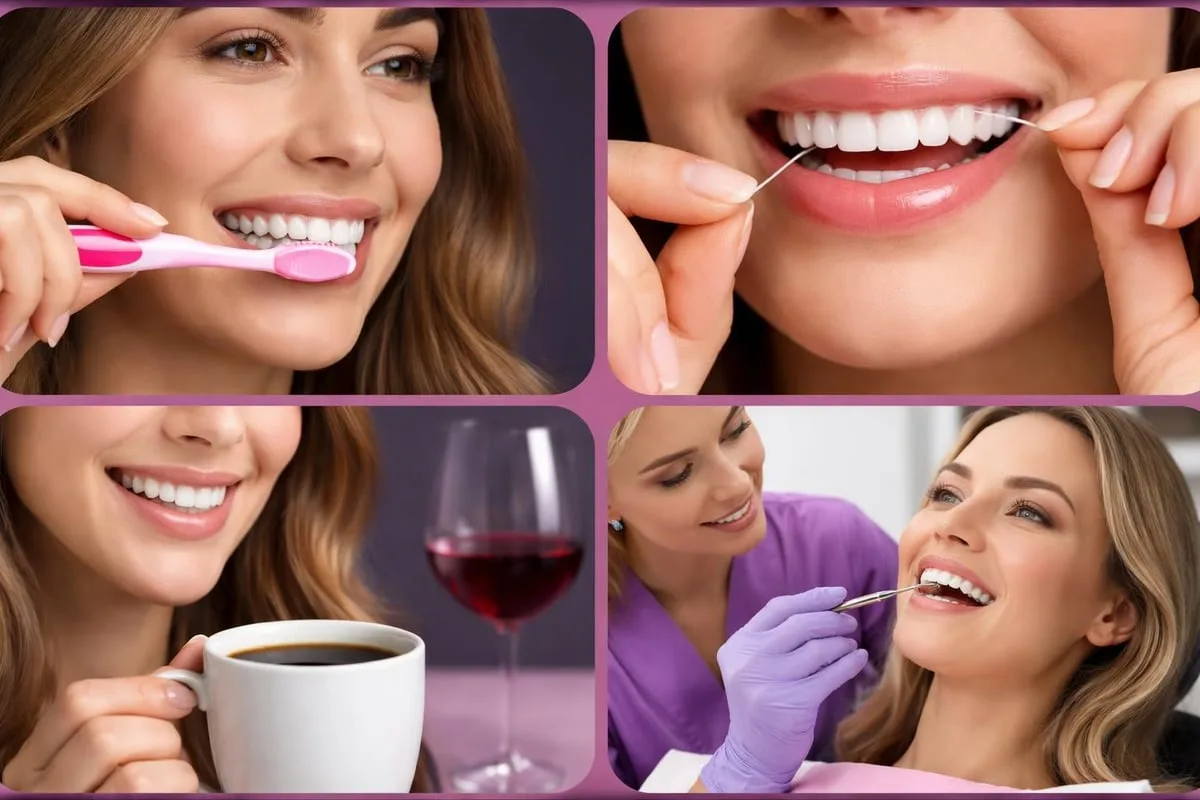
Caring for cosmetic bonding teeth requires minimal additional effort beyond standard oral hygiene. Brush twice daily with a non-abrasive toothpaste and soft-bristled brush to avoid scratching the composite surface. Flossing remains essential, though you should take care when sliding floss out from between teeth to avoid catching and dislodging bonding material.
The composite resin used in bonding can stain over time, particularly if exposed to highly pigmented substances. Coffee, tea, red wine, and tobacco products can gradually discolour bonded areas. Whilst the bonding won't stain as readily as natural teeth, moderation and prompt rinsing after consuming staining substances help maintain appearance.
| Care Practice | Recommendation | Reason |
|---|---|---|
| Brushing | Twice daily, soft brush | Protects surface integrity |
| Flossing | Daily, gentle technique | Prevents gum disease without damage |
| Staining foods | Limit or rinse after | Minimises discolouration |
| Hard foods | Avoid biting directly | Prevents chips and cracks |
| Dental visits | Every 6 months | Early detection of issues |
| Night guard | If grinding occurs | Protects against bruxism damage |
When Repairs or Replacement Are Needed
Even with excellent care, bonded teeth may eventually require touch-ups or replacement. Minor chips or edge wear can often be repaired quickly and inexpensively during a routine appointment. More extensive damage might necessitate complete replacement of the bonding material.
Regular check-ups at practices like Azure Dental allow your dentist to monitor bonded teeth and address small issues before they become problematic. Early intervention prevents minor imperfections from compromising the overall aesthetic result.
Comparing Cosmetic Bonding Teeth with Other Treatments
Understanding how bonding compares to alternative cosmetic treatments helps patients select the most appropriate solution for their specific needs and circumstances.
Bonding Versus Porcelain Veneers
Porcelain veneers represent a more permanent and often more expensive alternative to cosmetic bonding teeth. Veneers require removing a thin layer of enamel, making the process irreversible. However, they offer superior stain resistance and typically last 10-15 years or longer.
The choice between bonding and veneers often depends on the extent of correction needed, budget considerations, and long-term goals. For minor imperfections or patients seeking a conservative approach, bonding provides an excellent solution. Those wanting comprehensive smile transformations with maximum durability might prefer veneers.
Bonding Versus Teeth Whitening
Whilst teeth whitening addresses overall colour, it cannot correct structural issues like chips, gaps, or misshapen teeth. Cosmetic bonding teeth can simultaneously lighten teeth through shade selection whilst also repairing physical imperfections.
Many patients benefit from combining treatments. Professional whitening can brighten natural teeth, followed by bonding matched to the new, lighter shade. This combination approach, sometimes called the ABB (Align, Bleach, Bond) technique, delivers comprehensive aesthetic improvements.
Bonding in Combination Treatments
Modern cosmetic dentistry often employs multiple techniques to achieve optimal results. Cosmetic bonding teeth works exceptionally well alongside other procedures. Research in oral and maxillofacial practices demonstrates bonding's versatility in comprehensive treatment plans.
Effective treatment combinations include:
- Orthodontics followed by bonding to perfect final results
- Whitening before bonding to ensure colour consistency
- Bonding combined with gum contouring for proportion
- Minor bonding touch-ups after veneer placement on adjacent teeth
This integrated approach allows dentists to address multiple concerns efficiently whilst optimising both aesthetics and function. The materials and methods used in modern cosmetic dentistry continue evolving, offering patients increasingly sophisticated solutions.
Selecting the Right Dentist for Cosmetic Bonding Teeth
The success of your bonding procedure depends significantly on your dentist's skill, experience, and artistic sensibility. Cosmetic bonding requires both technical precision and aesthetic judgement to achieve natural-looking results.
Essential Qualifications and Experience
Whilst all dentists receive basic training in composite bonding, cosmetic applications demand additional expertise. Look for practitioners with specific training in aesthetic dentistry and a portfolio demonstrating their work. Experience with colour matching, layering techniques, and sculpting separates adequate results from exceptional ones.
Membership in professional organisations focused on cosmetic dentistry often indicates commitment to continuing education and staying current with advanced techniques. These practitioners typically invest in high-quality materials and modern equipment that enhance outcomes.
Evaluating Before-and-After Results
Before committing to treatment, request to see before-and-after photographs of previous cosmetic bonding teeth cases. Pay attention to how natural the results appear and whether the bonding blends seamlessly with adjacent teeth. Patient testimonials provide valuable insights into both clinical outcomes and the overall patient experience.
During your consultation, discuss your specific concerns and aesthetic goals openly. A skilled cosmetic dentist will listen carefully, provide realistic expectations, and explain how bonding can address your individual situation.
Technology and Materials Matter
Modern composite resins vary considerably in quality, handling characteristics, and aesthetic properties. Practices investing in premium materials from reputable manufacturers typically deliver superior, longer-lasting results. Similarly, proper curing lights, polishing systems, and shade-matching technology contribute to optimal outcomes.
Don't hesitate to ask about the specific materials and techniques your dentist uses. Practitioners confident in their methods will gladly explain their approach and why they've chosen particular products.
Cost Considerations for Cosmetic Bonding Teeth
Financial planning forms an important part of any cosmetic dental decision. Understanding the factors influencing cost helps patients budget appropriately and evaluate value.
Factors Affecting Price
The cost of cosmetic bonding teeth varies based on several variables. The number of teeth requiring treatment, the complexity of the case, and the extent of bonding needed all influence the final price. A simple chip repair costs considerably less than comprehensively reshaping multiple front teeth.
Geographic location and practice overhead also affect pricing. Specialist cosmetic practices in urban areas typically charge more than general practices in smaller communities. However, the expertise and results may justify the price difference for complex cases.
| Scope of Treatment | Typical Number of Teeth | Approximate Time | Cost Range |
|---|---|---|---|
| Single chip repair | 1 tooth | 30-45 minutes | £150-£300 |
| Gap closure | 2 teeth | 1-1.5 hours | £400-£800 |
| Smile enhancement | 4-6 teeth | 2-3 hours | £800-£2,000 |
| Full smile makeover | 8-10 teeth | Multiple visits | £1,500-£4,000 |
Insurance and Payment Options
Cosmetic bonding teeth performed purely for aesthetic reasons typically isn't covered by dental insurance. However, if bonding repairs damage from injury or decay, partial coverage may apply. Check with your insurance provider to understand your specific benefits.
Many practices, including Azure Dental, offer flexible payment plans that make cosmetic treatments more accessible. These arrangements allow patients to invest in their smile whilst managing cash flow effectively.
Evaluating Long-Term Value
When comparing costs, consider the lifespan and maintenance requirements of different treatments. Whilst cosmetic bonding teeth costs less initially than veneers, it may require more frequent replacement. For some patients, the lower upfront investment and conservative nature outweigh the shorter lifespan.
Calculate the annual cost by dividing the total price by expected years of service. This perspective helps compare different treatment options objectively. Remember that choosing an experienced cosmetic dentist often means better initial results and longer-lasting bonding, ultimately providing better value.
Special Considerations and Potential Limitations
Whilst cosmetic bonding teeth offers remarkable versatility, understanding its limitations ensures realistic expectations and optimal treatment planning.
Strength and Durability Limitations
Composite resin, whilst strong, doesn't match the hardness of natural enamel or porcelain. Bonded teeth are more susceptible to chipping or fracturing under excessive force, particularly when bonding extends beyond the natural tooth edge. Patients who clench or grind their teeth may experience accelerated wear or damage.
For this reason, dentists may recommend protective measures like night guards for patients with bruxism. These appliances distribute forces more evenly and protect both natural teeth and bonded areas during sleep.
Staining and Colour Stability
Unlike porcelain, composite resin is slightly porous and can accumulate surface stains over time. Whilst initial colour matching may be perfect, bonded areas might gradually darken or yellow, particularly with exposure to staining agents. Natural teeth can be re-whitened, but bonded areas cannot, potentially creating colour mismatches.
The American Cosmetic Association’s guide to dental bonding recommends professional polishing during regular hygiene appointments to maintain surface lustre and minimise staining.
Anatomical and Functional Constraints
Cosmetic bonding teeth works best for small to moderate corrections. Extensive reshaping or significant bite alterations often require more robust solutions. The amount of bonding that can be safely added to a tooth has limits-excessive bulk can feel uncomfortable, interfere with bite, or be prone to fracture.
Your dentist will evaluate whether bonding alone can achieve your goals or whether combining it with other treatments would deliver better results. Honest professional assessment prevents disappointment and ensures you receive the most appropriate care for your situation.
Cosmetic bonding teeth represents a versatile, conservative, and cost-effective solution for enhancing your smile, offering immediate results with minimal intervention. Whether addressing minor chips, gaps, or discolouration, this procedure can significantly boost your confidence and oral aesthetics. If you're considering cosmetic improvements to your smile, the experienced team at Azure Dental in Formby, Liverpool, can assess your individual needs and create a personalised treatment plan to help you achieve the beautiful, natural-looking smile you deserve.