
Imagine restoring your entire smile in just one day, leaving behind loose dentures or gaps. The all-on-4 treatment is changing lives for those with missing or failing teeth, offering a permanent solution that looks and feels natural.
With all-on-4, patients regain not only their confidence but also the function and aesthetics of a complete, healthy smile. Could this innovative treatment be the answer you have been searching for?
This comprehensive 2026 guide explains everything you need to know about the all-on-4 concept, including how it works, who is suitable, costs, recovery, and more. Read on to discover if all-on-4 is right for you.
What is All-on-4? Understanding the Treatment Concept
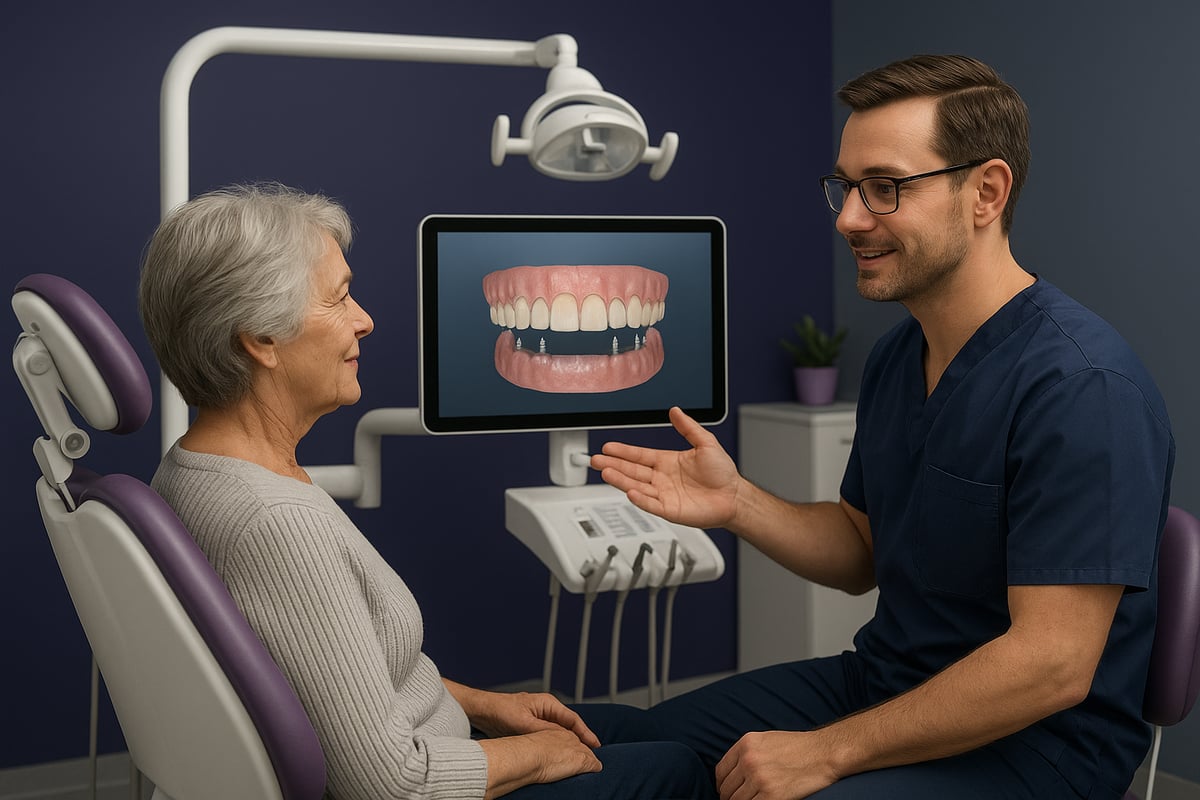
Picture a solution that lets you regain a full, confident smile without multiple surgeries or removable dentures. The all-on-4 treatment concept offers a revolutionary approach to full-arch tooth replacement, providing immediate function and aesthetic transformation for patients with failing or missing teeth.
Origins and Evolution of All-on-4
The all-on-4 concept was designed in the late 1990s to address the complex needs of people with no teeth or those about to lose all their teeth. Its development focused on providing a graftless, full-arch solution that would avoid the need for extensive bone grafting, which had been a barrier for many patients.
Over the past 25 years, all-on-4 has achieved remarkable clinical success, with more than 250,000 patients treated worldwide. The approach was first introduced by Nobel Biocare, a pioneer in dental implant technology. By tilting the two posterior implants, the treatment maximises contact with the available bone, allowing for a stable foundation without additional grafts.
A key advantage of all-on-4 is immediate function. Patients can receive a provisional set of fixed teeth on the same day as implant surgery, which is why the concept is often called “smile in a day” or “teeth in a day.” Clinical studies show impressive outcomes, with implant survival rates reaching 98% over an average follow-up of seven and a half years.
The all-on-4 system is now widely recognised for its ability to restore both function and aesthetics quickly, offering a life-changing alternative to traditional dentures or multi-stage implant procedures.
How All-on-4 Differs from Traditional Implants and Dentures
Unlike conventional full-arch implant methods, all-on-4 uses just four implants per arch: two placed straight at the front of the jaw and two angled at the back. This unique arrangement provides strong support for a fixed, non-removable prosthesis, eliminating the need for removable dentures.
Traditional dentures can slip or feel unstable, while all-on-4 offers a secure, natural-looking result that feels more like your own teeth. Treatment time is significantly shorter, with fewer surgeries required compared to older implant techniques. This makes all-on-4 especially suitable for patients with significant bone loss, reducing the need for additional grafting procedures.
Some of the main differences include:
- Fewer implants: Only four are needed per arch.
- Immediate results: Patients often leave with a functional set of teeth the same day.
- Fixed solution: No need to remove prosthetics for cleaning or sleeping.
- Natural appearance: Custom-designed prosthetics blend seamlessly with facial features.
For those considering their options, a dental implants vs dentures comparison can help clarify the unique benefits of the all-on-4 approach.
Clinical Evidence and Success Rates
The all-on-4 technique is supported by a substantial body of clinical evidence. Patient satisfaction rates consistently exceed 95%, reflecting improvements in function, comfort, and appearance. Studies demonstrate stable marginal bone levels and healthy soft tissue around the implants, even years after treatment.
Documented cases from leading dental centres across the globe highlight the predictable and lasting outcomes of all-on-4. Many UK dental practices, both private and within the NHS, have adopted the procedure, although NHS availability remains limited.
Long-term clinical success is a hallmark of this treatment. According to All-on-4 clinical success over 18 years, the all-on-4 concept continues to demonstrate high survival rates and patient satisfaction over nearly two decades of follow-up. These results underscore why so many clinicians and patients trust all-on-4 for full-arch restoration.
All-on-4 stands out as a transformative, evidence-based solution for those seeking to restore their smile, function, and confidence with minimum disruption.
Who is a Candidate for All-on-4? Suitability and Considerations
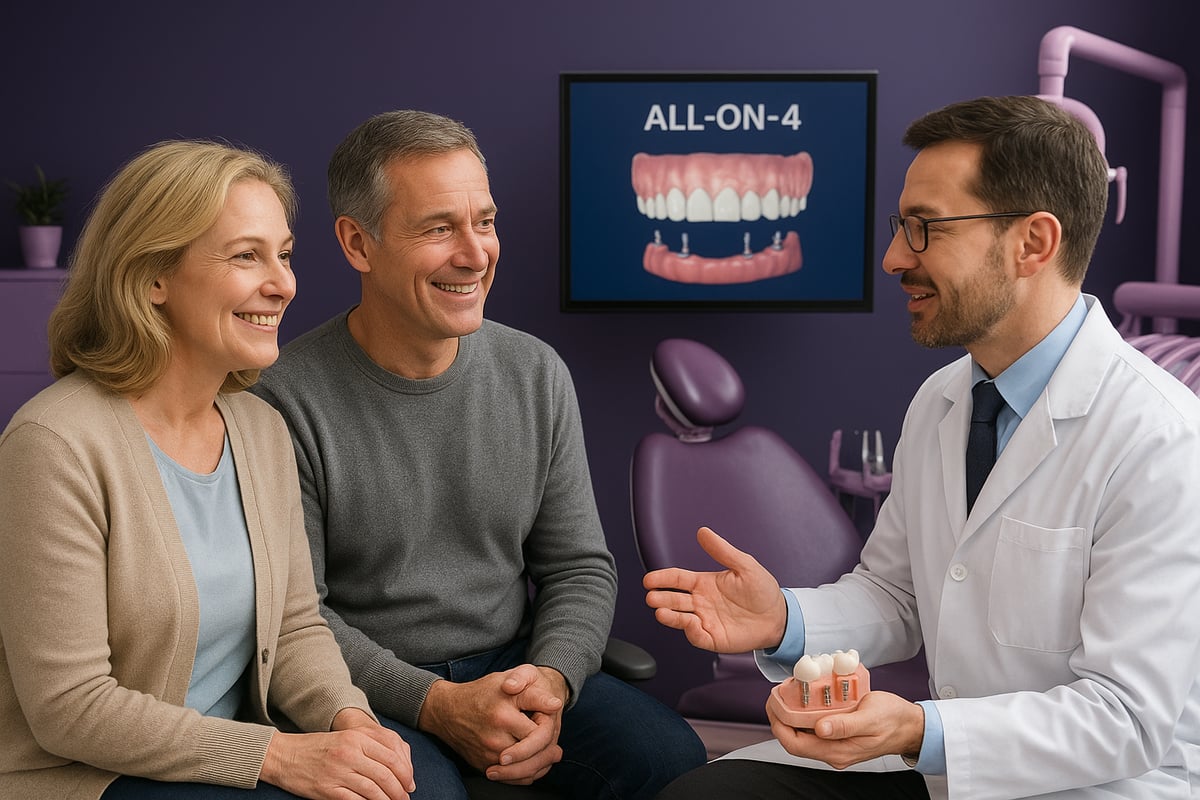
If you are considering a permanent solution for missing teeth, understanding who qualifies for all-on-4 is essential. This treatment is designed for people seeking stability, function, and a natural appearance, but not everyone is an ideal candidate. Let us explore the key suitability factors and considerations.
Ideal Candidates
All-on-4 is most suitable for adults who have multiple missing, failing, or loose teeth. Patients who are frustrated with removable dentures or who want a fixed full-arch solution often benefit most.
Other ideal characteristics include:
- Significant bone loss in the jaw, yet enough bone for implant placement
- Good general health, fit for minor oral surgery
- Commitment to maintaining oral hygiene after treatment
All-on-4 can offer a long-term restoration for those who want to regain confidence, eat a varied diet, and avoid the inconvenience of traditional dentures.
Assessment and Diagnostics
Determining suitability for all-on-4 begins with a comprehensive dental assessment. Dentists will carry out a thorough examination, using X-rays and 3D scans to assess bone quality and volume.
The assessment process includes:
- Reviewing your medical history for any underlying conditions
- Evaluating oral hygiene and gum health
- Discussing lifestyle factors, such as smoking or medications
A tailored plan is created to ensure the all-on-4 procedure is both safe and effective for each individual.
Contraindications and Limitations
While all-on-4 is versatile, some situations may limit eligibility. Patients with uncontrolled systemic diseases, such as advanced diabetes, may not be suitable for oral surgery.
Other limitations include:
- Insufficient bone in critical areas, despite the technique’s bone-saving approach
- Poor oral hygiene or unwillingness to follow post-treatment care
- Unrealistic expectations about results
A quick reference table can help summarise:
| Contraindication | Can Proceed? |
|---|---|
| Controlled Diabetes | Yes |
| Severe Bone Loss | Sometimes |
| Heavy Smoking | With caution |
| Poor Oral Hygiene | No |
| Unrealistic Expectations | No |
Examples and Case Studies
Many individuals have experienced life-changing results with all-on-4. Before-and-after transformations often reveal dramatic improvements in facial appearance and oral function.
Clinical cases include patients with significant bone loss or complex dental histories who have regained their ability to smile, speak, and eat comfortably. For real-life testimonials and patient perspectives, visit Patient testimonials from Formby and Liverpool.
Psychological and Lifestyle Considerations
Restoring a full smile with all-on-4 can significantly boost self-esteem and social confidence. Patients often report improvements in speech, eating, and overall quality of life.
For those who feel anxious about dental treatment, sedation options and a supportive care team can make the journey smoother. Considering psychological readiness is just as important as physical suitability in achieving a successful outcome with all-on-4.
The All-on-4 Procedure: Step-by-Step Guide
Embarking on the all-on-4 journey is a transformative experience, offering a predictable and streamlined route to a full, functional smile. Here, we break down every stage of the all-on-4 process, so you know exactly what to expect from your first consultation to your final results.
Step 1: Initial Consultation and Planning
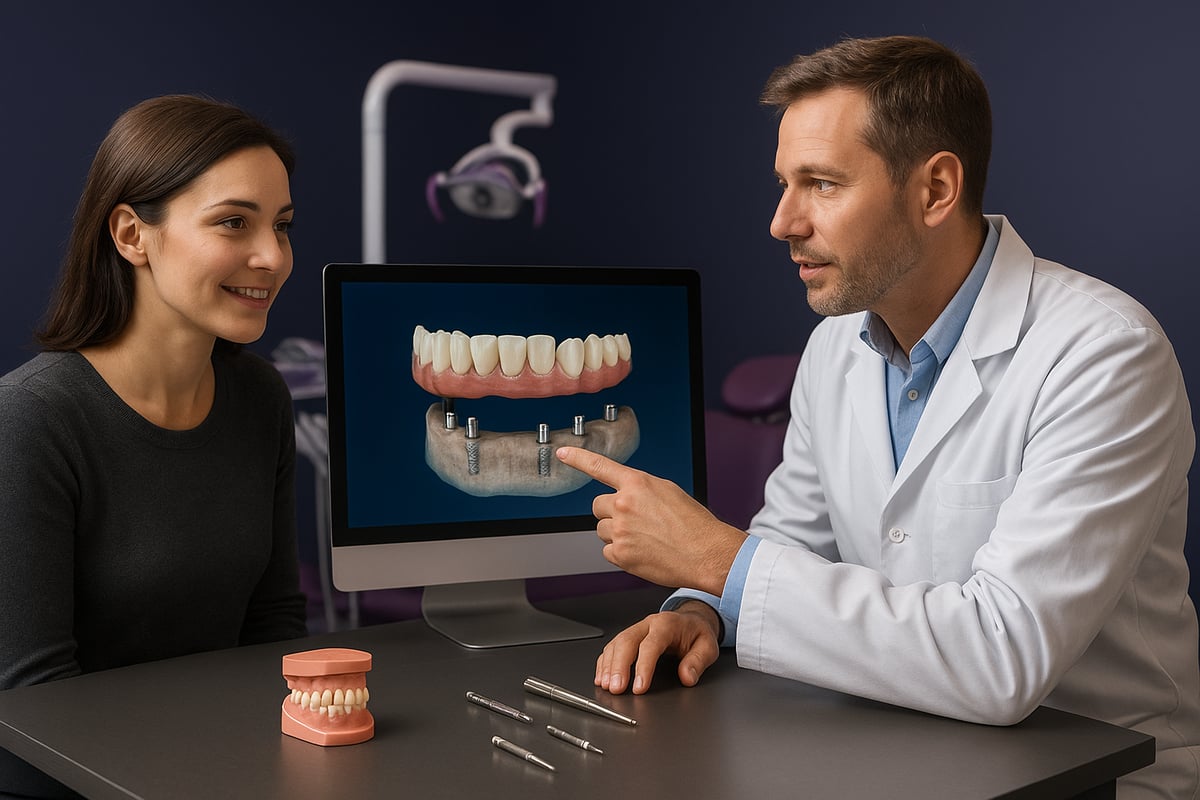
Your all-on-4 journey begins with a thorough consultation. The dental team will discuss your goals, expectations, and any concerns you may have. This is your opportunity to ask questions and understand how all-on-4 can restore both function and aesthetics.
During this stage, the dentist will assess your oral health, review your medical history, and explain the available options. Visual aids such as digital simulations or physical models may be used to help you picture your future smile. You will also receive a transparent outline of costs and available finance options.
If you are considering dental implants as part of your all-on-4 solution, it is helpful to review information about Dental implants in Liverpool to understand the foundation of the process. This initial step sets the tone for a successful, tailored treatment plan.
Step 2: Diagnostics and Pre-Surgical Assessment
Once you have decided to proceed with all-on-4, a detailed diagnostic phase follows. This includes 3D imaging, digital scans, and X-rays to evaluate bone quality and volume, ensuring optimal implant placement.
A personalised treatment plan is then developed. It will outline the sequence of appointments, timelines, and any preparatory treatments needed, such as hygiene sessions or extractions. Oral health is optimised prior to surgery to reduce risks and enhance implant success.
The all-on-4 team will review lifestyle factors, such as smoking, and discuss any adjustments required before your procedure. Comprehensive diagnostics are vital for the long-term success of all-on-4 implants, ensuring your journey is safe and predictable.
Step 3: Surgery Day – Implant Placement and Temporary Prosthesis
On surgery day, the all-on-4 procedure is typically performed under local anaesthetic with optional sedation for comfort. If necessary, any remaining teeth are gently extracted before four titanium implants are placed in strategic positions—two at the front and two angled at the back.
The unique positioning of all-on-4 implants maximises available bone and often eliminates the need for grafting. A custom-made temporary bridge is secured to the implants, allowing you to leave the practice with a fixed, functional set of teeth on the same day.
Patients often report minimal discomfort and are pleasantly surprised by how straightforward the all-on-4 procedure feels. Immediate function and aesthetics are key hallmarks of this innovative approach.
Step 4: Healing and Osseointegration
Following your all-on-4 surgery, a healing period of three to six months is essential. During this time, the implants fuse with your jawbone in a process called osseointegration, providing a stable foundation for your new teeth.
You may be advised to follow a soft diet for the initial weeks, which helps protect the implants and promotes healing. Regular follow-up visits allow your dental team to monitor progress, address any concerns, and ensure optimal integration.
Maintaining excellent oral hygiene during this phase is critical. The all-on-4 team will guide you on cleaning techniques and provide support throughout the healing journey, laying the groundwork for long-term success.
Step 5: Final Prosthesis Placement
Once your all-on-4 implants have fully integrated, you will return for the placement of your permanent bridge. This custom-designed prosthesis is crafted for precise fit, natural aesthetics, and comfortable function.
Adjustments are made as needed to achieve the best possible result. Your dentist will provide final instructions for care and maintenance, ensuring you know how to protect your investment.
With your new all-on-4 smile complete, you can enjoy renewed confidence, improved ability to eat a varied diet, and the reassurance of a stable, fixed solution.
Clinical Example: Smile in a Day Transformation
Consider the experience of a patient with failing teeth who chooses all-on-4. After a comprehensive assessment and planning, they undergo implant placement and receive a temporary bridge on the same day.
Within 24 hours, their smile is transformed, restoring both appearance and function. The patient can speak, eat, and socialise without worry, reporting a significant boost in confidence and quality of life.
Before-and-after photos and testimonials from all-on-4 patients consistently highlight dramatic improvements. The all-on-4 process offers life-changing results for those seeking a permanent solution to missing or failing teeth.
Benefits and Risks of All-on-4 Implants
Choosing all-on-4 dental implants is a major decision for anyone seeking a lasting solution for missing teeth. Understanding the key benefits, lifestyle impact, potential risks, and supporting evidence is essential before starting your journey.

Key Advantages
All-on-4 implants offer an immediate and dramatic transformation for patients with failing teeth or dentures. In most cases, you can walk out with a new set of fixed teeth on the very same day as your surgery.
This treatment delivers high patient satisfaction, with reported rates of 95 percent or more. The all-on-4 method is designed to restore a natural-looking smile, improve speech, and allow you to enjoy your favourite foods again without worry.
Unlike traditional methods, all-on-4 uses just four implants per arch, often eliminating the need for bone grafting. This approach helps preserve your facial structure by preventing bone loss in the jaw.
With fewer implants and less invasive surgery, the overall treatment time and cost are reduced. This makes all-on-4 a practical and effective choice for full-arch rehabilitation.
Lifestyle Improvements
Living with all-on-4 implants can significantly boost your confidence and quality of life. You no longer need to worry about loose dentures slipping or clicking during meals or conversations.
Oral hygiene becomes easier, as the fixed bridge is cared for much like natural teeth. There is no need for messy adhesives or the nightly removal routine that comes with traditional dentures.
Many people find that all-on-4 implants improve their social interactions, allowing them to eat a wider range of foods and speak clearly. This sense of normality can restore self-esteem and help you feel more comfortable in public and private settings.
For those who have struggled with dentures, all-on-4 provides a stable, secure alternative that feels much more like your own teeth.
Potential Risks and Complications
As with any surgical procedure, all-on-4 implants carry some risks. Common side effects include swelling, bruising, or mild discomfort after surgery, which usually resolves within a few days.
There is a small chance of infection, implant failure, or complications related to healing. However, with careful planning and experienced clinicians, the risk of implant failure is low.
Some patients experience temporary speech changes or need time to adapt to their new teeth. Regular maintenance and professional cleaning are essential to keep your all-on-4 implants healthy and functioning well.
It is important to follow your dentist’s aftercare instructions and attend all scheduled check-ups to minimise potential complications.
Comparative Insights
How does all-on-4 compare to other solutions? The table below highlights some key differences:
| Feature | All-on-4 | Conventional Full-Arch Implants | Removable Dentures |
|---|---|---|---|
| Number of Implants | 4 per arch | 6-8 per arch | None |
| Fixed or Removable | Fixed | Fixed | Removable |
| Treatment Time | Shorter | Longer | Immediate |
| Bone Grafting Needed | Rarely | Often | No |
| Stability & Function | High | High | Low |
All-on-4 provides a less invasive, more cost-effective solution with superior stability compared to traditional dentures.
Supporting Data
Clinical studies confirm the reliability of all-on-4 implants. Survival rates consistently reach 98 percent or higher over several years, with patients reporting stable bone levels and healthy gum tissue.
More than 250,000 successful all-on-4 cases have been documented worldwide, reinforcing its reputation as a safe and effective treatment. For those interested in long-term outcomes, a recent study evaluating the long-term success of All-on-4 implants over nine years reported a cumulative survival rate of 97.4 percent.
These results highlight why all-on-4 continues to be a leading choice for full-arch dental rehabilitation.
Cost, Financing, and Accessibility in the UK
Understanding the investment involved in all-on-4 treatment is crucial for anyone considering this life-changing solution. Costs, payment options, and provider availability can vary, so it is important to have a clear picture before making your decision.
Typical Price Range for All-on-4
All-on-4 is considered a premium dental treatment in the UK and is generally available through private clinics. As of 2026, the average investment for an all-on-4 solution ranges from £12,000 to £16,000 per arch. Several factors influence the final cost, such as the complexity of your case, the materials used for your prosthesis, the clinic’s location, and the experience of the dental team.
For a detailed breakdown of fees and influencing variables, you can review the All-on-4 dental implants cost UK 2026 guide, which outlines what to expect and how prices are determined.
What’s Included in the Cost?
The typical all-on-4 package covers the full journey from initial consultation to aftercare. You can expect the following to be included:
- Comprehensive assessment, including X-rays and 3D scans
- Surgical procedure, with implant placement and temporary bridge
- Final, custom-made prosthesis
- Follow-up appointments and aftercare support
Some clinics may charge separately for additional treatments such as bone grafts, extractions, or sedation. It is essential to ask for a clear, itemised quote before starting your all-on-4 treatment.
Financing and Payment Options
To make all-on-4 more accessible, many clinics offer a range of payment plans. 0 percent APR finance is available at select practices for periods from 3 to 36 months. Flexible options allow you to spread the cost over time, helping you manage your budget.
Transparent pricing and online calculators are increasingly common, making it easier to compare providers and understand what you will pay for all-on-4. Always check for any additional charges and discuss your finance options during your consultation.
Accessibility Across the UK
All-on-4 is now widely available at specialist implant centres and private dental practices throughout the UK. The number of clinics offering this advanced treatment is growing each year, with more “Centres of Excellence” emerging in major cities and regional hubs.
Choosing an experienced provider is vital for your safety and the long-term success of all-on-4. Look for clinics with a proven track record, advanced digital planning tools, and a focus on patient-centred care.
Value Proposition
Opting for all-on-4 is a long-term investment in your oral health and self-confidence. While the initial outlay can seem significant, it often compares favourably with the ongoing costs and inconveniences of dentures.
You will benefit from enhanced chewing function, a stable and attractive smile, and reduced need for future dental work. For many, all-on-4 offers peace of mind and a renewed quality of life that far outweighs the upfront cost.
Recovery, Aftercare, and Long-Term Maintenance
Recovering from all-on-4 treatment is a structured process, with each stage playing a crucial role in your long-term success. Understanding what to expect and how to care for your new smile ensures you enjoy the full benefits of all-on-4 for years to come.
Immediate Post-Surgery Care
In the first 24 to 72 hours after your all-on-4 procedure, mild swelling and discomfort are common. Pain is typically managed with prescribed medication and cold compresses. Your dental team will advise you to follow a soft-food diet during this period to protect your implants and minimise pressure.
Oral hygiene is essential from day one. Carefully brush your teeth using a soft brush and avoid the surgical areas. Rinsing with a gentle, non-alcoholic mouthwash helps prevent infection. All-on-4 patients should avoid strenuous activity and smoking, as these can hinder healing.
Following your surgeon's instructions closely in the first days after all-on-4 surgery sets the foundation for a smooth recovery and implant stability.
Long-Term Maintenance
Ongoing care is vital for the longevity of your all-on-4 implants. Daily cleaning is straightforward but must be thorough. Special cleaning tools, such as interdental brushes and water flossers, help remove plaque from around the prosthesis and implants.
Regular professional check-ups and hygienist appointments are recommended every six months. These visits allow your dental team to monitor the health of your implants, gums, and supporting bone. Good oral hygiene habits and professional maintenance are key to preventing complications and ensuring your all-on-4 smile remains healthy and attractive.
Common Issues and Troubleshooting
Minor complications can sometimes arise after all-on-4 treatment. Mild soreness, swelling, or sensitivity are usually temporary and resolve with proper care. If your prosthesis feels loose or you notice persistent discomfort, contact your dentist promptly.
Your aftercare plan should outline what to do in case of issues and which adjustments or repairs are included. Most all-on-4 clinics offer prompt support and guidance, ensuring any problems are addressed quickly for your peace of mind.
Longevity and Success Factors
With diligent care, all-on-4 implants can last 15 years or more. Success depends on several factors, including daily oral hygiene, regular dental visits, and a healthy lifestyle. Avoiding smoking and maintaining good general health contribute significantly to implant longevity.
Clinical research, such as this All-on-4 treatment concept systematic review, consistently demonstrates high survival rates and stable results over many years. Choosing an experienced provider and following aftercare recommendations are essential steps in securing long-term success.
Patient Experiences and Testimonials
Many patients report a dramatic boost in confidence and quality of life after all-on-4 treatment. Eating, speaking, and smiling become easier and more enjoyable. Before-and-after case studies from UK clinics highlight the life-changing results and satisfaction experienced by those who choose all-on-4.
Hearing real stories from others who have undergone the journey can be both inspiring and reassuring, reinforcing the value of commitment to aftercare and regular maintenance.
Frequently Asked Questions About All-on-4
If you are considering all-on-4, you likely have several questions about the process, recovery, and results. Below, we address the most common queries to help you make an informed decision.
Common Patient Concerns
Is the all-on-4 procedure painful?
Most patients report minimal discomfort. Local anaesthetic and sedation options ensure a pain-free experience during surgery. Mild soreness or swelling may occur after the procedure, but it is typically managed with standard pain relief.
How long does the all-on-4 process take from start to finish?
The timeline varies, but many patients receive their provisional teeth on the same day as implant placement. The full process, including healing and placement of the final bridge, usually takes three to six months.
Can anyone get all-on-4, or are there age limits?
Adults of any age can be candidates if they have sufficient bone and good general health. A thorough assessment will determine your suitability for all-on-4.
What foods can I eat after treatment?
Soft foods are recommended initially. As healing progresses, you can gradually return to a normal diet, enjoying a wide variety of foods with your new all-on-4 teeth.
How do all-on-4 implants feel compared to natural teeth?
Most patients say their all-on-4 implants feel stable and natural, restoring confidence in eating and speaking.
Expert Insights
Leading clinicians emphasise the predictability and safety of all-on-4, supported by extensive clinical research. Over 95% of patients report satisfaction, and implant survival rates reach 98% in long-term studies.
For nervous or anxious patients, many clinics offer sedation and a calm, supportive environment. Clinicians recommend discussing any concerns openly during your consultation so your all-on-4 experience is as comfortable as possible.
If an implant fails, it can often be replaced after a healing period. Choosing an experienced provider helps reduce this risk. Patients are encouraged to maintain excellent oral hygiene and attend regular check-ups to ensure the long-term success of all-on-4 implants.
Will people notice I have dental implants? Modern all-on-4 prostheses are designed to look and function just like natural teeth, so most people will not be able to tell the difference.
Additional Resources
When considering all-on-4, selecting the right provider is crucial. Look for clinics with a proven track record, advanced technology, and comprehensive aftercare. Many dental centres, including "Centres of Excellence," offer free consultations to discuss your options.
For more information on the value and costs associated with all-on-4, you can explore this detailed guide on dental implant costs and pricing.
Additional resources include patient support groups, video testimonials, and downloadable treatment guides. If you need a second opinion, many specialists are happy to provide one. Take the time to review before-and-after case studies to see real-life all-on-4 transformations.
Your journey to a confident, functional smile starts with reliable information and expert support.
After reading about how All on 4 implants can transform your smile and restore confidence, you might be wondering if this treatment is the right solution for you. At Azure Dental in Formby, Liverpool, we’re dedicated to helping you make informed decisions with personalised advice and expert guidance. If you’d like tailored answers and a chance to discuss your options from the comfort of your own home, you can arrange a Free Virtual Consultation. It’s a relaxed, no obligation way to take the first step towards a healthier, more confident smile.