
Imagine waking up at 2 a.m. with agonizing tooth pain, unsure where to turn. In moments like these, knowing how to respond can make all the difference. This step-by-step guide will help you navigate any dental crisis in 2025, ensuring you act quickly and with confidence.
You will discover how to recognize a real emergency, what to do immediately, and how to locate an emergency dentist when every second matters. We’ll also explore what to expect during your visit and provide essential aftercare tips.
Prepare yourself now so you can handle any dental crisis with calm and clarity.
Recognising a Dental Emergency: What Qualifies as a Crisis?
Dental emergencies often happen suddenly, leaving you unsure whether to seek immediate help or wait for a scheduled appointment. Knowing what truly counts as a dental crisis is essential to avoid unnecessary worry and ensure prompt, effective care from an emergency dentist.
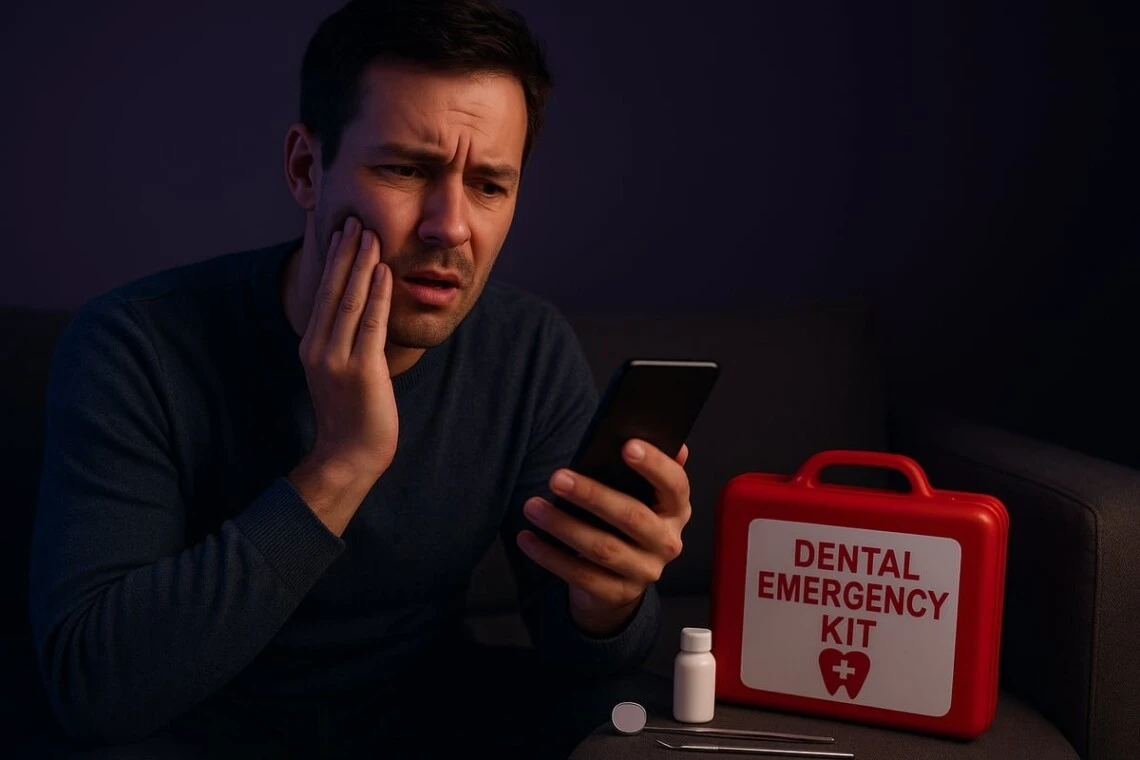
Common Types of Dental Emergencies
A dental emergency typically involves severe pain, injury, or infection that needs immediate attention. The most common situations requiring an emergency dentist include:
- Severe, persistent toothache
- Knocked-out or loose tooth
- Cracked or broken teeth
- Dental abscesses causing swelling or pus
- Lost fillings or crowns
- Uncontrolled bleeding in the mouth
For example, a knocked-out tooth from a sports injury or an abscess causing facial swelling are urgent problems. According to the Emergency Department Visits for Tooth Disorders: United States, 2020–2022, over 2 million dental-related ER visits occur annually in the US. These numbers highlight the importance of knowing when to contact an emergency dentist.
Signs You Need Immediate Care
Certain symptoms signal that you should seek urgent help from an emergency dentist:
- Severe, throbbing pain that does not improve
- Swelling of the face, jaw, or gums
- Persistent or uncontrollable bleeding
- High fever with dental pain
- Difficulty breathing or swallowing
Distinguishing between urgent and non-urgent issues is crucial. Ignoring serious symptoms or delaying treatment can let infections spread, leading to more severe health risks. Stories of patients who waited too long often end with hospital stays or tooth loss, emphasizing the need for prompt action.
What is NOT a Dental Emergency?
Not every dental issue requires immediate, after-hours attention from an emergency dentist. Non-emergencies include:
- Minor chips or cracks without pain
- Mild tooth sensitivity
- Cosmetic concerns like stained or uneven teeth
Visiting the emergency dentist for non-urgent problems can result in unnecessary costs and longer waits for those in real need. Research shows that about 30% of dental ER visits are for non-urgent issues, which could be handled by a regular dentist during business hours. Understanding this distinction protects your time and resources.
When to Visit the ER vs. Dentist
Some situations are best handled in a hospital emergency room rather than by an emergency dentist. Visit the ER if you experience:
- Airway obstruction or trouble breathing
- High fever with facial swelling
- Major trauma to the jaw or face
The ER can offer antibiotics and pain relief, but most dental infections or injuries will still require follow-up with an emergency dentist for definitive care. For example, emergency rooms frequently refer patients with dental abscesses to dentists for further treatment. Knowing where to go can make all the difference in your recovery.
Step-by-Step Guide: What To Do Immediately in a Dental Crisis
Facing a dental crisis can be overwhelming, but acting quickly and correctly can make all the difference. Use this step-by-step guide to manage the situation effectively before seeing an emergency dentist.

Step 1: Stay Calm and Assess the Situation
In the first moments of a dental emergency, staying calm is essential. Panicking can cloud your judgment and make the situation worse. Take a deep breath and evaluate the problem.
Check for visible injuries, bleeding, or swelling. Is a tooth loose, broken, or missing? Are you experiencing severe pain? Understanding these details helps you communicate clearly with an emergency dentist and take the right action.
If there is blood, gently rinse your mouth with warm water. Use a clean cloth or gauze to apply light pressure to control any bleeding. This initial assessment sets the stage for effective treatment.
Step 2: Manage Pain and Swelling
Pain and swelling are common in dental emergencies. Managing discomfort promptly can prevent further complications before you reach an emergency dentist.
Apply a cold compress or an ice pack wrapped in a towel to the outside of your cheek for 10 to 20 minutes. This helps reduce swelling and numbs the area. Over-the-counter pain relievers such as paracetamol or ibuprofen can be used, but avoid placing aspirin directly on gums, as it can cause burns.
Keep your head elevated and avoid lying flat, which may intensify swelling. These steps provide temporary relief until you receive professional care.
Step 3: Handle Specific Emergencies
Each dental emergency requires a tailored response. For a knocked-out tooth, pick it up by the crown, rinse gently, and try to reinsert it. If not possible, place it in milk or saline. For broken or chipped teeth, save any fragments, rinse your mouth, and use gauze if bleeding.
Lost fillings or crowns can be temporarily replaced with dental cement or sugar-free gum. If you notice an abscess or swelling, rinse with saltwater and never attempt to pop it. For more detailed first steps and guidance, consult Articles on Dental Emergencies.
Having this knowledge can increase your chances of a successful outcome when you see the emergency dentist.
Step 4: Contact an Emergency Dentist
After managing immediate symptoms, contact an emergency dentist as soon as possible. Call your regular dental clinic or use a 24/7 emergency hotline if needed.
Be ready to describe your symptoms, the time of injury, and any relevant medical history. Clear communication allows the emergency dentist to prioritize your case and offer tailored advice.
Ask if the clinic can see you immediately and clarify what you should do while waiting. Prompt action increases the likelihood of preserving your tooth and reducing complications.
Step 5: Prepare for Your Emergency Visit
Preparation ensures a smoother experience at the emergency dentist. Gather your ID, insurance details, a list of medications, and any dental fragments or knocked-out teeth.
Avoid eating or drinking, especially if anesthesia may be required. Bring a companion if you feel anxious or need assistance. Write down your symptoms and any questions to discuss with the dentist.
Organizing these details streamlines your visit and ensures you get the best possible care.
Step 6: Know When to Go to the ER
Certain dental emergencies require immediate medical attention at the emergency room rather than an emergency dentist. If you have facial trauma, difficulty breathing, uncontrollable bleeding, or signs of a severe infection like high fever or swelling that affects swallowing, go to the ER.
The ER can provide pain relief and antibiotics, but definitive dental treatment will be handled by a dentist later. Your safety is the priority, so do not delay when life-threatening symptoms are present.
Knowing the difference between ER and dental office emergencies helps you make the right call quickly.
Finding an Emergency Dentist in 2025: Fast, Reliable Options
A dental crisis can feel overwhelming, especially when time is of the essence. Finding an emergency dentist swiftly ensures you get the right care and avoid complications. In 2025, digital resources, tele-dentistry, and improved patient support have made the search for urgent dental help more efficient than ever.
How to Locate an Emergency Dentist Quickly
When sudden dental pain strikes, speed matters. Start by searching “emergency dentist near me” on trusted search engines. Use reputable online directories, such as local dental association websites, which often list verified clinics offering urgent care. Many regions now provide 24/7 dental hotlines that connect you directly to available practitioners. National referral services like 1-800-DENTIST can also help you find a qualified provider quickly. Keep your regular dentist’s contact info handy, as many practices offer after-hours support or can recommend a reliable alternative.
What to Look for in an Emergency Dentist
Choosing the right emergency dentist involves more than just proximity. Prioritize clinics with extended hours, including evenings and weekends. Examine patient reviews and testimonials for feedback on responsiveness and care quality. Credentials and experience matter, especially in trauma management and urgent care procedures. If you are anxious about treatment, look for clinics offering sedation options. For a sense of trust and preparedness, review the credentials of available professionals via the Meet Our Emergency Dentists page to ensure you are in capable hands.
Questions to Ask When You Call
A clear conversation can save precious minutes. When contacting an emergency dentist, ask:
- Are you currently accepting emergency patients?
- What immediate treatments can you provide?
- What are your payment and insurance policies?
- Do you offer sedation for nervous patients?
- How soon can I be seen, and what should I bring?
Having this information ensures you are prepared and reduces the stress of your visit.
Tele-dentistry and Virtual Consultations
Tele-dentistry has revolutionized emergency dental care in recent years. Through secure video calls, you can quickly describe your symptoms and receive an initial assessment. This helps determine if you need immediate in-person care or if temporary advice can manage your issue until a visit is possible. According to the ADA, tele-dentistry use for dental emergencies has surged by 40 percent since 2020, making it a vital first step for many patients.
Insurance and Payment Considerations
Before visiting an emergency dentist, check your dental insurance for emergency care coverage. Many policies include urgent visits, but confirm any exclusions or out-of-network fees. Private clinics often offer payment plans or flexible financing, so discuss options upfront. Understanding your financial responsibilities will help you make informed decisions and avoid unexpected costs.
What If You’re Travelling or Away from Home?
Dental crises do not wait for convenient moments. If you experience a problem while travelling, search for “emergency dentist” along with your current location. Major cities often have dedicated urgent dental clinics or hotlines. Carry your insurance details and a list of any medical conditions or allergies. For international emergencies, consult your embassy’s medical resources or travel insurance provider for guidance on local dental care.
What to Expect During Your Emergency Dental Visit
Facing a dental emergency can be overwhelming, but knowing what to expect helps ease anxiety and ensures a smoother experience. When you arrive at the emergency dentist, the team will prioritize your comfort and work quickly to address the problem. Let’s walk through each stage of your visit, so you know what lies ahead.
Initial Assessment and Diagnosis
Your emergency dentist will begin with a thorough assessment. This includes a visual examination of your mouth, checking for signs of infection, trauma, or other urgent issues. Digital X-rays are often used to identify hidden problems like fractures or abscesses. The dentist will also ask about your medical history and any medications you take, as this information is crucial for safe treatment. Swift diagnosis allows the emergency dentist to create an effective treatment plan right away.
Common Emergency Treatments
Depending on your situation, the emergency dentist may recommend various procedures. Common treatments include temporary fillings, tooth re-implantation, extractions, draining abscesses, and prescribing antibiotics. Each option is designed to relieve pain and prevent complications. For a detailed look at different procedures, you can review this Dental Treatments Overview. Your emergency dentist will explain every step, ensuring you understand your choices and what to expect during the process.
| Treatment Type | Purpose |
|---|---|
| Temporary Filling | Restore function, reduce pain |
| Extraction | Remove unsalvageable tooth |
| Abscess Drainage | Control infection |
| Tooth Re-implantation | Save knocked-out tooth |
Pain Management and Sedation Options
Pain relief is a top priority for any emergency dentist visit. Local anaesthesia is commonly used to numb the affected area, making procedures more comfortable. For patients who feel anxious or have dental phobia, sedation options such as nitrous oxide or oral sedatives may be available. Discuss your comfort level with the emergency dentist so they can tailor pain management to your needs. Modern practices focus on pain-free dentistry, helping you feel at ease throughout your visit.
Communication with Your Dentist
Clear communication with your emergency dentist is vital. Be honest about your symptoms, medical history, and any allergies. Ask questions if you are unsure about your diagnosis or treatment plan. The emergency dentist will provide instructions for follow-up care and let you know when to schedule your next appointment. Effective dialogue ensures you receive personalized care and reduces the risk of complications.
Aftercare and Recovery Guidance
After your procedure, the emergency dentist will give you detailed aftercare instructions. These may include guidelines on eating, drinking, and oral hygiene, as well as signs of complications to watch for, like persistent pain or swelling. Following these steps helps speed up your recovery and prevents further issues. If you experience unexpected symptoms, contact your emergency dentist immediately for advice.
Preventing Dental Emergencies: Proactive Tips for 2025
Dental crises rarely happen out of nowhere. Most are preventable with the right habits and awareness. By taking a few simple steps, you can minimize your risk and avoid the stress of searching for an emergency dentist when it matters most.
Maintain Good Oral Hygiene
Consistent oral hygiene is your first line of defense against dental emergencies. Brushing twice daily, flossing, and regular dental check-ups help prevent cavities, gum disease, and infections. According to data, 64% of dental emergencies can be avoided with routine care. For further insight on preventable dental visits, see Factors Associated with Preventable Emergency Department Visits for Nontraumatic Dental Conditions in the U.S.. Making these habits part of your routine reduces the chances of needing an emergency dentist.
Protective Measures for Sports and Activities
Physical activities and sports often put your teeth at risk. Wearing a custom mouthguard during contact sports can lower the risk of dental injuries by up to 80%. If you play sports or engage in activities with fall risks, always use proper protective gear. This proactive step not only protects your smile but also helps you avoid sudden trips to an emergency dentist.
Address Dental Issues Early
Small dental problems can quickly escalate if ignored. Treating cavities, gum disease, or minor cracks promptly will stop them from turning into emergencies. Schedule regular screenings and never delay treatment for pain or sensitivity. Early intervention is key to preventing an urgent call to an emergency dentist for advanced care.
Avoid Risky Behaviours
Everyday habits can increase your risk of dental emergencies. Avoid using your teeth as tools to open packages or bite hard objects like ice, pens, or popcorn kernels. These actions can cause chips, cracks, or even tooth loss. By being mindful of these behaviors, you reduce the likelihood of needing emergency dentist intervention.
Emergency Dental Kit for Home
A well-stocked home dental emergency kit can buy crucial time before you reach an emergency dentist. Essentials include sterile gauze, dental cement, pain relievers, a small container with a lid, and your dentist’s contact information. Having these items ready ensures you can respond quickly and effectively if a dental crisis occurs.
Education and Family Preparedness
Preparing your family for dental emergencies is just as important as prevention. Teach children what to do if a tooth is knocked out or if someone experiences severe pain. Keep emergency dentist numbers easily accessible and review action plans regularly. This knowledge empowers everyone to act swiftly and confidently when needed.
Emergency Dentistry in the UK: What Patients Need to Know
Navigating the world of emergency dentist care in the UK can be overwhelming, especially when pain strikes outside typical office hours. Understanding your options and how to act quickly can make a significant difference in your outcome.
NHS vs. Private Emergency Dental Care
When facing a dental crisis, knowing whether to use NHS or private emergency dentist services is essential. NHS clinics offer urgent care at regulated costs, but appointments may be limited, especially during evenings or weekends. Private clinics, on the other hand, often provide faster access, extended hours, and a broader range of treatments, though at a higher price point.
Patients choosing a private emergency dentist typically experience shorter waiting times and more flexible scheduling. However, the NHS remains the first line of support for many urgent dental issues, particularly for those seeking affordable care.
How to Access Emergency Dental Services in the UK
If you need an emergency dentist, start by calling NHS 111 for advice and referral to local urgent dental centres. Many NHS facilities offer walk-in appointments, but slots can fill up rapidly. Private emergency dentist services are also widely available, with many clinics advertising same-day or out-of-hours appointments online.
For those traveling or unable to reach their regular provider, searching "emergency dentist near me" can quickly yield local options. Always confirm the clinic's availability and services before arrival.
Emergency Dental Care at Azure Dental Clinic, Liverpool
One standout emergency dentist option is Azure Dental Clinic in Liverpool. This clinic offers immediate emergency appointments, pain free dentistry, and sedation for nervous patients. Their comprehensive emergency dentist services range from trauma care to infection management and cosmetic repairs.
Patients benefit from free consultations and transparent pricing for all emergency dentist treatments. Azure Dental Clinic's patient testimonials highlight rapid relief and compassionate care, making it a trusted choice for urgent dental needs.
Costs, Insurance, and Payment Plans
The cost for an emergency dentist visit varies depending on whether you choose NHS or private care. NHS urgent dental appointments are capped at a set fee, which covers assessment and temporary relief. Private clinics set their own prices, usually higher, but often provide more immediate access and a full spectrum of services.
Many private emergency dentist clinics offer payment plans, allowing you to spread out the expense of treatment. Always check what your dental insurance covers before your visit to avoid surprises.
What to Bring and How to Prepare
Before heading to your emergency dentist appointment, gather key items: photo ID, insurance details, a list of medications, and any information about the dental emergency. Acting quickly and arriving prepared helps the emergency dentist team deliver the best possible care.
Prompt action is crucial. Delaying treatment can increase the risk of complications, so ensure you have your emergency dentist contact information accessible at all times.
Frequently Asked Questions About Emergency Dental Care
Dental crises often bring confusion and anxiety. Patients want clear, trustworthy answers from an emergency dentist. Below, we address the most common questions people ask when facing urgent oral issues. This FAQ will help you respond confidently in any dental crisis.
Can the Emergency Room Help with a Tooth Problem?
An emergency dentist is best for most urgent dental issues. However, hospital ERs can help if you have severe swelling, facial trauma, or difficulty breathing. They provide pain relief and antibiotics, but ER staff usually do not perform dental repairs.
If you visit the ER for a dental abscess, they may stabilize you, then refer you to an emergency dentist for follow-up. For tooth pain without infection or trauma, go directly to a dental professional.
Will an Emergency Dentist Extract a Tooth on the Spot?
Yes, an emergency dentist may extract a tooth if it is beyond repair or causing severe pain. Extractions are common for teeth with advanced decay, abscess, or trauma.
Before removing a tooth, your dentist will examine the area and discuss options. Sometimes, immediate extraction is necessary to stop infection or relieve pain. In other cases, the tooth might be saved with root canal therapy or another treatment.
What is a True Dental Emergency?
A true dental emergency involves any situation needing immediate attention from an emergency dentist. This typically includes:
- Severe, persistent toothache
- Knocked-out or loose teeth
- Uncontrollable bleeding
- Swelling or infection with fever
- Facial injuries or trauma
For example, an abscess causing facial swelling and fever requires prompt care to prevent the spread of infection. Mild discomfort or chipped teeth usually do not count as emergencies.
Are Emergency Dental Visits Covered by Insurance?
Most dental insurance plans cover visits to an emergency dentist for urgent care. Coverage may include exams, X-rays, pain relief, and necessary procedures like extractions.
For NHS patients, urgent care is usually covered, but private clinics may require upfront payment. It is wise to check your policy for exclusions or out-of-network fees. According to the CDC, hours lost to planned and unplanned dental visits among US adults highlight the impact of dental emergencies on work and daily life, making insurance coverage essential.
How Do I Know If I Need Urgent Dental Care?
You should contact an emergency dentist if you experience:
- Persistent or severe tooth pain
- Swelling in the face or gums
- Fever with oral symptoms
- Trauma to teeth or jaw
If you are unsure, call your dentist or use NHS 111 for advice. Acting quickly can prevent complications and save your tooth.
What Are Common Misconceptions About Emergency Dentistry?
There are several myths about emergency dentist care:
- Only trauma is an emergency: Infections and severe pain also require urgent attention.
- Emergency care is always expensive: Many clinics offer payment plans, and insurance often helps cover costs.
- ERs can fix all dental problems: Hospitals can manage pain and infection but do not provide dental repairs.
Understanding these facts helps patients make informed decisions during a crisis.
How Can I Prepare for Dental Emergencies in the Future?
Preparation is key for managing dental crises. Here are some proactive steps:
- Keep your emergency dentist’s contact information handy.
- Maintain excellent oral hygiene and attend regular check-ups.
- Assemble a home dental emergency kit with gauze, dental cement, and pain relievers.
- Educate your family about emergency steps and review your insurance annually.
Taking these steps will help you face unexpected dental issues with confidence.
You never know when a dental emergency might strike, but being prepared can make all the difference for your comfort and peace of mind. At Azure Dental in Formby, Liverpool, we specialise in providing pain free, high quality urgent care—so you can trust you are in safe hands when every second counts. If you are facing a dental crisis or simply want the reassurance of an experienced team ready to help, let us guide you through the next steps. Take control of your oral health and Book Online for prompt, personalised emergency dental care.