
Considering braces in 2026? The world of teeth straightening has never offered more options, greater comfort, or advanced technology. More people than ever, from teenagers to adults, are choosing to improve their smiles and oral health.
With modern orthodontics, braces are now more discreet, efficient, and accessible. These advances mean treatment can be life-changing, boosting both confidence and wellbeing.
Ready to start your journey? This guide will demystify the process, exploring how braces work, the types available, treatment steps, costs, care tips, and future innovations. Discover everything you need to know for a confident, healthy smile in 2026.
How Braces Work: The Science Behind Teeth Straightening
Choosing braces in 2026 means stepping into a world where dental science meets advanced technology. Understanding how these systems transform your smile can help you approach treatment with confidence and realistic expectations.
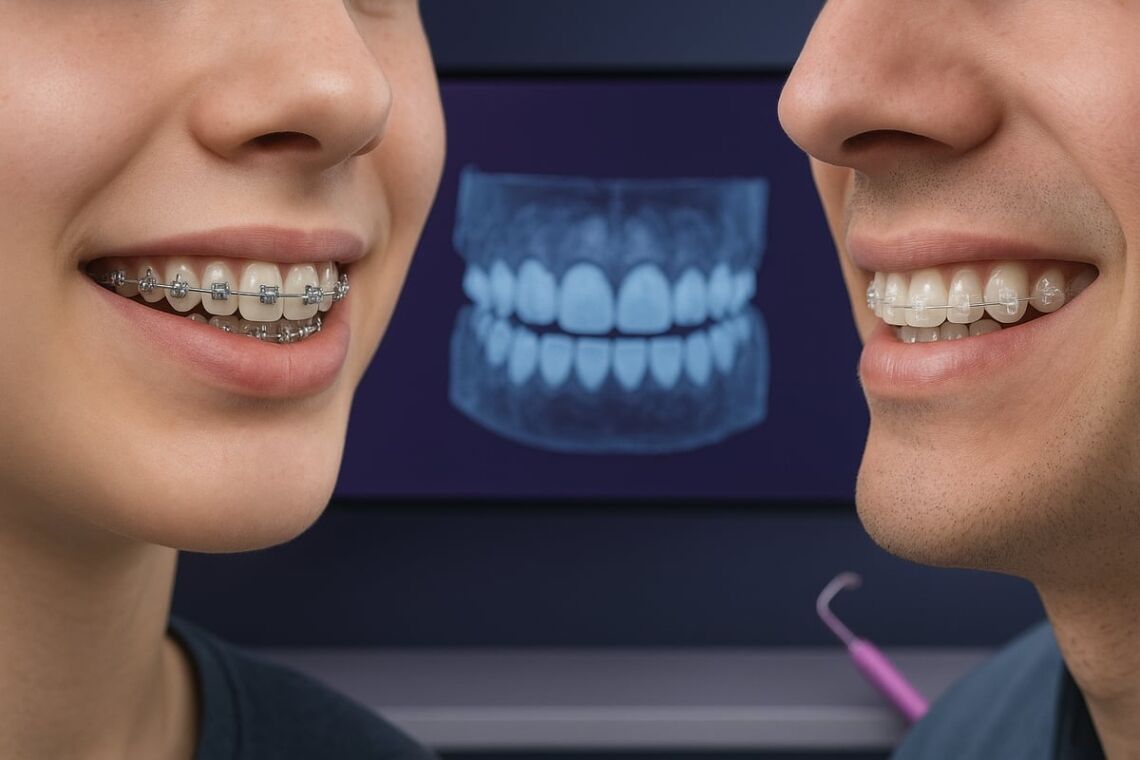
The Orthodontic Process Explained
Braces work by applying gentle, continuous pressure to shift teeth into better alignment over time. Every component plays a specific role in creating that steady force.
Here are the essential parts of braces:
| Component | Function |
|---|---|
| Brackets | Attach to each tooth and hold archwire |
| Archwires | Guide tooth movement as they are tightened |
| Bonding Material | Secures brackets to the enamel |
| Ligatures | Tiny bands that keep the wire in place |
The science behind braces involves more than just hardware. When pressure is applied, bone remodelling occurs. Specialised cells called osteoclasts break down bone on one side of the tooth, while osteoblasts build new bone on the other. This process allows teeth to move safely and steadily.
Treatment with braces typically lasts between 12 and 36 months. According to the Cleveland Clinic, the average duration is about two years, although individual needs vary. Orthodontists may use additional appliances such as:
- Springs to open or close spaces
- Rubber bands to correct bite alignment
- Expanders to widen the jaw
Digital technology has revolutionised planning for braces. 3D imaging and computer-aided design allow orthodontists to map out precise movements and predict results more accurately than ever before. To explore the specifics of different systems, see this overview on Types of braces and how they work.
Who Needs Braces? Common Dental Issues Addressed
Braces are not just for cosmetic enhancement. They solve a wide range of dental and functional problems. Common reasons people seek braces include:
- Crooked or crowded teeth
- Gaps between teeth
- Malocclusions, such as overbite, underbite, crossbite, open bite, and deep bite
Correcting these issues can improve chewing efficiency, speech clarity, and overall jaw alignment. Some patients require braces for structural reasons, while others are motivated by the desire for a straighter, healthier-looking smile.
Braces are suitable for both teens and adults. Early intervention, ideally between ages 9 and 14, can simplify treatment, but modern techniques ensure adult braces are highly effective as well. In fact, adults make up around 20 percent of orthodontic patients, reflecting the growing demand for lifelong oral health.
Consider a teenager with significant crowding: with braces, they may achieve their ideal smile in about 24 months. Adults often use braces to address issues that have reappeared after previous dental work, proving that it is never too late to benefit from orthodontic care.
Types of Braces in 2026: Options, Pros, and Cons
Choosing the right braces in 2026 can feel overwhelming with so many options available. Each type of braces offers unique benefits and trade-offs, ensuring there is a solution to fit every need, lifestyle, and budget. Let us explore the main categories, their advantages, and the situations where each shines.

Traditional Metal Braces
Traditional metal braces remain the most widely used orthodontic solution. Made from stainless steel brackets and wires, these braces are highly efficient for correcting a wide range of dental issues, from severe crowding to complex bite problems.
Patients can personalise their braces with coloured ligatures, adding a touch of fun, especially for younger wearers. The main pros include durability, effectiveness for complicated cases, and affordability compared to other types of braces.
However, metal braces are the most visible option and may cause some initial discomfort as the mouth adjusts. They are often chosen for their proven track record and reliable results.
Ceramic and Clear Braces
For those seeking a more discreet option, ceramic and clear braces are designed to blend in with the natural tooth colour. These braces use either clear or tooth-coloured brackets, making them much less noticeable than metal braces.
They are popular among adults and older teens who want an effective solution without drawing attention to their smile. The main benefits are improved aesthetics and suitability for most cases.
Ceramic braces are more fragile and can be slightly more expensive than metal options. For anyone interested in the latest discreet treatments, you can explore Clear braces and Invisalign options.
Lingual Braces
Lingual braces are fitted to the back of the teeth, making them completely invisible from the front. Each set is custom-made for the patient, ensuring a precise fit and tailored movement.
These braces are ideal for professionals or anyone who prioritises discretion in social or work settings. The main advantages include invisibility and the ability to treat most alignment issues.
On the downside, lingual braces can be more expensive, may take longer to get used to, and can affect speech during the initial weeks. Cleaning can also be more challenging due to their placement.
Self-Ligating Braces
Self-ligating braces use a special clip mechanism instead of elastic bands to hold the archwire in place. This design reduces friction and can make adjustments quicker and more comfortable.
Patients benefit from shorter appointment times and, in some cases, faster treatment. These braces are still visible, but the streamlined brackets are less bulky than traditional types.
They may not be suitable for every case, especially those needing more complex tooth movements. Self-ligating braces are a good option for those seeking efficiency and convenience.
Clear Aligners (e.g., Invisalign)
Clear aligners have transformed orthodontic care, offering a removable, nearly invisible alternative to fixed braces. Custom-fitted trays are worn at least 22 hours a day and swapped every one to two weeks, gradually moving teeth into place.
Aligners are popular among adults and teens who prefer minimal impact on their appearance. They allow for easy cleaning and no dietary restrictions, as they are removed for eating.
However, aligners may not be suitable for severe misalignments and require discipline to achieve the best results. Their growing popularity reflects the demand for flexible, subtle braces solutions.
Speciality and Advanced Braces
Patients with unique needs can benefit from speciality and advanced braces, including gold-plated, titanium, and allergy-friendly varieties. These options cater to sensitivities, personal style, or specific clinical requirements.
Recent technological advances have introduced 3D-printed brackets and AI-designed systems, providing a custom fit and potentially faster results. Such braces are ideal for those with allergies or seeking the latest innovations in orthodontic care.
Speciality braces may carry a higher price tag, but they offer tailored solutions and enhanced comfort for particular cases.
Comparison Table: Types of Braces in 2026
| Type | Visibility | Pros | Cons | Best For |
|---|---|---|---|---|
| Metal Braces | High | Durable, cost-effective, versatile | Visible, initial discomfort | Complex cases, children, teens |
| Ceramic and Clear Braces | Low | Discreet, effective | Fragile, higher cost | Adults, image-conscious teens |
| Lingual Braces | None | Hidden, custom-fit | Expensive, speech impact, harder to clean | Professionals, public speakers |
| Self-Ligating Braces | Medium | Quicker adjustments, less friction | Visible, not for all cases | Busy individuals, mild/moderate |
| Clear Aligners | Very Low | Removable, nearly invisible | Not for severe cases, discipline needed | Adults, teens, mild/moderate |
| Speciality/Advanced Braces | Varies | Custom, allergy-friendly, tech-driven | Higher cost, limited availability | Allergies, tech enthusiasts |
With so many braces options available in 2026, it is essential to weigh the pros and cons, consider lifestyle needs, and consult with an expert to find the perfect fit for your smile.
The Braces Journey: Step-by-Step Treatment Process
Embarking on the journey with braces is a transformative experience. Understanding each stage helps set expectations and prepares you for a smoother process. The path to a straighter smile involves several clearly defined steps, each designed to ensure safety, comfort, and long-lasting results.
Step 1: Initial Consultation and Assessment
The braces process always begins with a comprehensive consultation. Your orthodontist will evaluate your dental health through a clinical examination, X-rays, and digital scans. This data is used to identify the best braces solution for your needs, whether for crowding, bite issues, or aesthetic goals.
You will discuss what you hope to achieve with braces, and your provider will explain expected outcomes. Digital 3D models are now commonly used for precise planning, helping you visualise your projected smile. For teenagers and their parents, Braces for teens: key information offers further guidance on what to expect at this stage. This initial step sets the foundation for a successful braces journey.
Step 2: Fitting the Braces
Once your tailored treatment plan is agreed, you will attend the fitting appointment. Here, your teeth are thoroughly cleaned and prepared. Brackets are carefully bonded to each tooth, and archwires are threaded through to begin the gentle pressure needed to move your teeth.
The orthodontist will explain how your braces work and what you can expect in the first days. You will also receive advice on caring for your braces, managing initial discomfort, and maintaining oral hygiene. This step is crucial in ensuring your braces are effective from day one.
Step 3: Regular Adjustments and Monitoring
Throughout your treatment, you will return for regular check-ups, usually every four to eight weeks. During these visits, your orthodontist will tighten the wires, adjust your braces, and monitor your progress. Sometimes, you may need extra appliances like elastics or springs to correct specific issues.
Maintaining good oral hygiene is vital, as braces can make cleaning more challenging. Your orthodontist will check for any problems and offer solutions to keep you on track. Regular monitoring ensures your braces continue to move your teeth efficiently and safely.
Step 4: Completion and Removal
When your teeth have reached their optimal position, the time comes for removal. Your orthodontist will check that your bite and alignment meet the treatment goals. The braces are gently debonded, and your teeth are polished to remove any adhesive residue.
This milestone is often met with excitement and relief. Your provider will show you the results and may take new scans or photos for comparison. The removal process is quick and usually painless, marking the end of active treatment with braces.
Step 5: Retainers and Post-Treatment Care
Retainers play a vital role in preserving your new smile. After braces are removed, your teeth can shift if not held in place. Your orthodontist will recommend the right type of retainer, which may be removable, fixed, or clear.
You will be advised on a wearing schedule, often full-time at first, then just at night. Good post-treatment care, including regular dental check-ups, helps maintain your results for life. Retainers ensure that the investment you made in braces brings lasting confidence and health.
Example Patient Timeline
Consider a 13-year-old with dental crowding. After an initial assessment and planning, metal braces were fitted and worn for 24 months. During this period, the patient attended regular adjustments and followed care advice closely.
After removal, a retainer was fitted to maintain the new alignment. With dedication to aftercare, the patient achieved a straight, healthy smile that will last for years. This real-life example highlights how braces can make a significant, positive impact when each step is followed with care.
Costs, Financing, and Choosing the Right Provider
Planning for braces in 2026 means understanding not just the clinical process, but also the financial commitment. Costs can vary widely, and knowing your options helps you make an informed, confident decision. Whether you are considering treatment for yourself or a family member, it is important to explore costs, payment solutions, and how to select the best orthodontic provider.
Braces Cost Breakdown in 2026
The price of braces can depend on the type you choose, the complexity of your dental needs, and your location. On average, metal braces cost between £2,000 and £3,500, making them the most affordable option for many families. Ceramic braces range from £3,000 to £4,500, offering more discretion at a slightly higher price. Lingual braces are the most expensive, typically priced between £4,000 and £7,000, due to their custom fit and hidden placement. Clear aligners such as Invisalign usually fall between £2,500 and £5,000.
| Type of Braces | Average Cost (£) |
|---|---|
| Metal | 2,000 – 3,500 |
| Ceramic | 3,000 – 4,500 |
| Lingual | 4,000 – 7,000 |
| Clear Aligners | 2,500 – 5,000 |
Several factors influence the cost of braces, including the length of your treatment, the severity of your case, and the expertise of your chosen provider. NHS coverage is available for eligible children with significant orthodontic needs, but adults usually require private care. Waiting lists for NHS braces can be long, so some families opt for private treatment to start sooner.
Financing and Payment Options
Affording braces is more manageable than ever, thanks to a range of financing solutions. Many clinics offer flexible payment plans, spreading the cost over several months or even years with little to no interest. Dental insurance may cover part of the cost, especially for children, but it is essential to check policy limitations and exclusions.
You can use online cost calculators to estimate your total outlay and compare options. Transparent fee structures help you budget with confidence. Dental membership schemes sometimes offer discounts or inclusive maintenance visits. Ask your provider about all available payment options before you begin your braces journey.
Selecting an Orthodontist or Clinic
Choosing the right provider for braces is crucial for a successful outcome. Always check the qualifications and experience of the orthodontist, as specialist training sets them apart from general dentists. It is wise to ask about the technology used in the clinic, aftercare policies, and what support is available if you experience issues.
Reviews and testimonials from other patients offer valuable insights into the quality of care. With orthodontic patient numbers at an all-time high, clinics are more competitive than ever, so take your time to compare services. Consider the convenience of location, appointment availability, and whether the clinic offers digital consultations for added flexibility.
Living with Braces: Care, Diet, and Troubleshooting
Living with braces is a journey that requires daily care, smart food choices, and a proactive approach to comfort. Whether you are a teen or adult, maintaining your orthodontic investment is crucial for achieving the best possible results.
Daily Oral Hygiene with Braces
Oral hygiene becomes even more important when wearing braces. Food particles and plaque can easily get trapped around brackets and wires, increasing the risk of tooth decay and gum disease.
Use a soft-bristled toothbrush with fluoride toothpaste, brushing after every meal. Pay extra attention to the gumline and the spaces around brackets. Electric toothbrushes can help remove more plaque.
For flossing, traditional string floss may be difficult, so try:
- Floss threaders
- Interdental brushes
- Water flossers
Finish with a fluoride mouthwash to strengthen enamel and provide an extra layer of protection. Consistent, thorough cleaning helps keep your braces and teeth healthy throughout treatment.
Eating with Braces: Foods to Enjoy and Avoid
Adjusting your diet is essential for protecting your braces and ensuring comfort. After your braces are fitted or adjusted, stick to soft foods such as:
- Scrambled eggs
- Yoghurt
- Mashed potatoes
- Pasta
Avoid hard, sticky, or crunchy foods that can damage brackets or wires. These include:
- Popcorn
- Nuts
- Chewing gum
- Hard sweets
Dining out? Choose dishes that are easy to chew and cut food into small pieces. If you crave crunchy snacks, opt for softer alternatives like sliced bananas or cheese.
| Foods to Enjoy | Foods to Avoid |
|---|---|
| Soft fruits | Nuts |
| Cooked vegetables | Popcorn |
| Dairy products | Toffees, caramels |
| Rice, pasta | Hard bread rolls |
Making wise food choices protects your braces and helps you stay on track with treatment.
Managing Discomfort and Common Issues
Mild discomfort is common, especially after adjustments. You might feel soreness in your teeth or irritation on your lips and cheeks.
To manage discomfort:
- Use orthodontic wax to cover sharp brackets
- Take over-the-counter pain relievers like paracetamol
- Rinse with warm salt water to soothe sore areas
Avoid non-steroidal anti-inflammatory drugs, as they may slow tooth movement. If you experience persistent pain, broken wires, or loose brackets, contact your orthodontist promptly.
Staying proactive helps you resolve minor issues before they affect your braces progress or oral health.
Protecting Your Braces and Smile
Braces are an investment, so it is vital to protect them during daily activities. If you play sports, always wear a mouthguard designed for braces to prevent injury.
Break habits like nail-biting, chewing pens, or opening packets with your teeth, as these can damage orthodontic appliances. Regular dental check-ups and professional cleanings are essential during treatment.
By following these steps, you ensure your braces work effectively and keep your teeth and gums healthy.
Maintaining Motivation and Compliance
Staying motivated is key to successful braces treatment. Track your progress with monthly photos or use mobile apps to set reminders for cleaning and appointments.
Encourage teens by sharing before-and-after photos, or connect them with others on a similar journey. For more support, consider resources on Teenage braces and orthodontic treatment which offer guidance for young patients and their families.
Remember, compliance with your orthodontist’s instructions, especially regarding elastics and retainers, is crucial for achieving a beautiful, healthy smile. Celebrate milestones and stay positive as you move closer to your goal.
Innovations and Future Trends in Orthodontics
Orthodontics is evolving rapidly, with innovations transforming the way braces are designed, fitted, and maintained. Patients today benefit from advances that make their journey more comfortable, efficient, and accessible than ever before.
Digital Dentistry and AI in Orthodontics
Digital technology is revolutionising the world of braces. 3D scanning and digital impressions now replace messy moulds, creating precise models for planning treatments. Computer-aided design ensures accurate bracket placement and wire bending, while artificial intelligence is streamlining diagnosis and predicting outcomes.
Robotic systems can bend wires to exact specifications, reducing manual errors and improving comfort. Virtual consultations and remote monitoring apps allow patients to connect with orthodontists from home. For a closer look at these changes, read more about advancements in orthodontic technology.
New Materials and Customisation
Materials for braces continue to advance, with clear ceramics, durable plastics, and allergy-friendly metals now widely available. 3D-printed brackets and aligners are tailored for a perfect fit, minimising discomfort and maximising efficiency.
Customisation is at the heart of modern orthodontics. Patients can choose colours, finishes, and even hypoallergenic options to suit their needs. These innovations help ensure braces are suitable for almost everyone, regardless of age or sensitivity.
Shorter, More Efficient Treatments
Efficiency is a major focus in orthodontics. Self-ligating brackets and accelerated systems are reducing appointment times and overall treatment length. Research shows that clear aligners can achieve results similar to traditional braces for mild to moderate cases.
Appliances and protocols are constantly improving, helping patients see results faster. These advancements mean less disruption to daily life and a smoother experience throughout the treatment journey.
Expanding Access and Adult Orthodontics
More adults are seeking orthodontic care, with one in five patients now over 18. Tele-orthodontics and direct-to-consumer aligner options are making braces more accessible, especially for those with busy schedules or limited local providers.
Focus is shifting towards lifelong oral health, not just aesthetics. Adults appreciate discreet options and flexible treatment plans, making it easier than ever to invest in a healthier smile.
What to Expect in the Next Decade
Looking ahead, the next decade promises even more discreet, faster, and personalised braces. Digital monitoring, patient comfort, and ongoing smile maintenance will be priorities.
Expect to see further integration of AI, more advanced materials, and increased patient involvement through digital platforms. The future of orthodontics is bright, with a strong emphasis on convenience and lasting results.
Now that you have a clear picture of how braces work, the latest options available, and what you can expect from your treatment journey, you might be wondering what the next step is for your own smile. At Azure Dental, we take pride in offering tailored, pain free orthodontic care using the latest technology and a compassionate approach. If you are ready to explore your options, gain expert advice, and start planning your path to a straighter, healthier smile, you can easily Book A Consultation with our experienced team today. Your new smile could be just a click away.