
Imagine starting every day with a confident, radiant smile. What is the secret to achieving lasting dental hygiene that truly makes a difference? This comprehensive guide for 2026 reveals the essential steps and expert tips you need for a brighter, healthier smile.
We will explore the core foundations of dental hygiene, provide a step-by-step routine, share advanced strategies, and explain how professional care and lifestyle habits can impact your oral health. Did you know poor dental hygiene can affect your confidence and overall wellbeing? Discover the latest evidence-based techniques and innovations to prevent issues, enhance your smile, and avoid costly treatments. Start your journey today toward a brighter, healthier future.
The Foundations of Dental Hygiene: Why It Matters in 2026
A healthy mouth is more than just a bright smile. Recent research highlights the close connection between dental hygiene and overall wellbeing. Poor oral care can contribute to major health issues such as cardiovascular disease, diabetes, and respiratory infections. When you look after your teeth and gums, you are also protecting your heart and immune system.
Let us consider how oral health impacts the body. Harmful bacteria from untreated gum disease can enter the bloodstream, increasing inflammation throughout the body. Studies show people with poor dental hygiene are at higher risk of developing heart problems and complications from diabetes. Regular, thorough oral care is a key pillar of preventive healthcare.
Gum disease remains a significant concern in the UK. According to UK Oral Health Statistics 2025, gum disease is still the leading cause of adult tooth loss. This condition is often silent in its early stages, making routine dental hygiene even more important. By maintaining healthy gums, you greatly reduce the risk of tooth loss, discomfort, and expensive restorative treatments.
Today, dental hygiene is defined more broadly. It is not just about brushing and flossing, but also about lifestyle choices, diet, and preventive care. Dental hygienists and therapists play a vital role in this process. They are trained to spot early signs of gum disease, offer tailored advice, and provide professional cleaning that goes beyond what you can achieve at home.
There are many myths surrounding dental hygiene. Some believe that brushing harder will remove more plaque, but this can actually damage enamel and irritate gums. Others think only sugar causes cavities, when in reality, acidic foods and poor cleaning habits also play a part. By following evidence-based advice, you can avoid these common pitfalls.
Technology is transforming dental hygiene routines. Digital toothbrushes now track your brushing habits and provide feedback, while new toothpastes offer benefits such as enamel repair or sensitivity relief. These innovations allow individuals to personalise their oral care and see measurable improvements. Preventive dental hygiene is also cost-effective, helping you avoid the higher expenses of fillings, crowns, or implants.
Consider the story of a patient who consistently followed a dental hygiene routine. Through regular visits to their hygienist, daily cleaning, and smart lifestyle choices, they managed to avoid major dental work that might have been necessary otherwise. Their experience shows that prevention is always better than cure.
Good dental hygiene is the foundation for lifelong oral health. By understanding its importance and making it part of your daily routine, you can enjoy a healthier mouth and improved wellbeing for years to come.

Step-by-Step Dental Hygiene Routine for a Brighter Smile
A consistent dental hygiene routine is the cornerstone of a healthy, radiant smile. By following structured steps and using the right techniques, you can prevent common oral health issues and enjoy long-lasting results. Let us guide you through each essential stage for brighter teeth and healthier gums.
Brushing Techniques and Tools
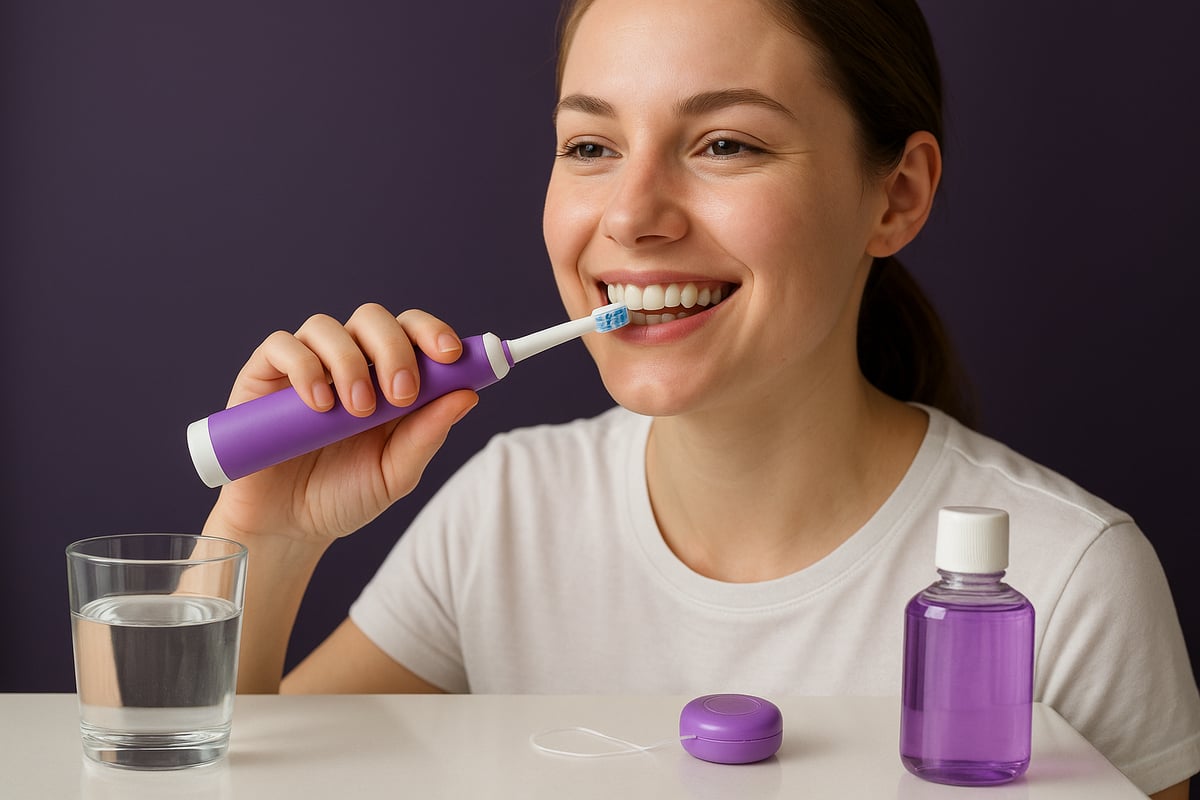
Selecting the right toothbrush is the first step in any dental hygiene routine. Manual toothbrushes remain effective when used correctly, but electric models offer advanced features such as pressure sensors and timers. Studies show that electric toothbrushes can reduce plaque by 21 percent more than manual brushes.
| Type | Advantages | Latest Features |
|---|---|---|
| Manual | Affordable, portable | Slim handles, angled bristles |
| Electric | Superior cleaning, timers | Pressure sensors, app connectivity |
Proper brushing technique matters more than force. Use a gentle, circular motion, covering all surfaces of each tooth. Aim for two minutes, twice daily, to maximise plaque removal without harming enamel.
Do not forget your tongue. Brushing it helps reduce bacteria and freshens breath, a simple but often overlooked part of dental hygiene. Innovations in toothpaste now address sensitivity, whitening, and cavity protection, with fluoride remaining a key ingredient.
By investing in the right tools and technique, you lay a strong foundation for your dental hygiene every day.
Cleaning Between the Teeth: Flossing and Alternatives
Interdental cleaning is vital for effective dental hygiene. Plaque and food debris can hide between teeth where brushes cannot reach, leading to tartar build-up and gum problems if left unchecked.
There are three main options:
- Traditional floss: Fine for tight gaps, but requires proper technique.
- Interdental brushes: Ideal for larger spaces and braces, easy to manoeuvre.
- Water flossers: Use a jet of water to dislodge plaque, gentle on gums.
To avoid gum injury, gently guide floss or brushes along the gumline without snapping. Daily interdental cleaning is recommended for optimal gum health, reducing the risk of gum disease by up to 40 percent according to recent studies.
Consistency is essential. Make interdental cleaning a non-negotiable part of your dental hygiene routine for long-term gum protection.
Mouthwash and Rinsing: Enhancing Your Routine
Mouthwash can elevate your dental hygiene by targeting bacteria, delivering fluoride, and freshening breath. Choose a formula that matches your needs, whether antibacterial, fluoride-enriched, or designed for sensitive mouths.
For best results, use mouthwash at a different time from brushing. This helps maintain fluoride’s protective effect on your teeth. One common mistake is rinsing with water after brushing, which dilutes the benefits of your toothpaste.
If you have sensitive teeth or gum conditions, opt for alcohol-free or specialist mouthwashes. Consult your dental professional for tailored recommendations to support your dental hygiene goals.
Special Considerations: Braces, Implants, and Dental Work
Dental hygiene routines must adapt to braces, implants, or restorations. These situations create extra spaces where plaque accumulates, increasing the risk of staining and decay.
Use orthodontic brushes, interdental aids, or special floss threaders to clean around wires and fixtures. For implants and bridges, regular airflow cleaning is recommended for longevity and to prevent complications. For detailed insights on this advanced cleaning method, visit Airflow dental cleaning benefits.
Always seek professional advice for personalised dental hygiene strategies. Your dentist or hygienist can recommend the best products and demonstrate techniques suited to your unique dental work.
Nutrition, Lifestyle, and Oral Health: What to Eat (and Avoid) for a Brighter Smile
A healthy smile begins with what you put on your plate and how you live each day. Nutrition and lifestyle choices play a vital role in dental hygiene, influencing everything from cavity risk to gum health.
Sugar, Acidic Foods, and Enamel Erosion
Frequent consumption of sugary foods and drinks is one of the leading threats to dental hygiene. Sugar feeds harmful bacteria in your mouth, producing acids that erode enamel and lead to cavities. Acidic drinks like fizzy sodas and fruit juices also weaken enamel, increasing sensitivity and decay risk.
To protect your teeth, try to limit sugary snacks to fewer than four times a day. Rinse your mouth with water after consuming acidic foods, and wait at least 30 minutes before brushing to avoid damaging softened enamel. Using a straw for acidic beverages can also help reduce contact with your teeth.
Foods for Strong Teeth
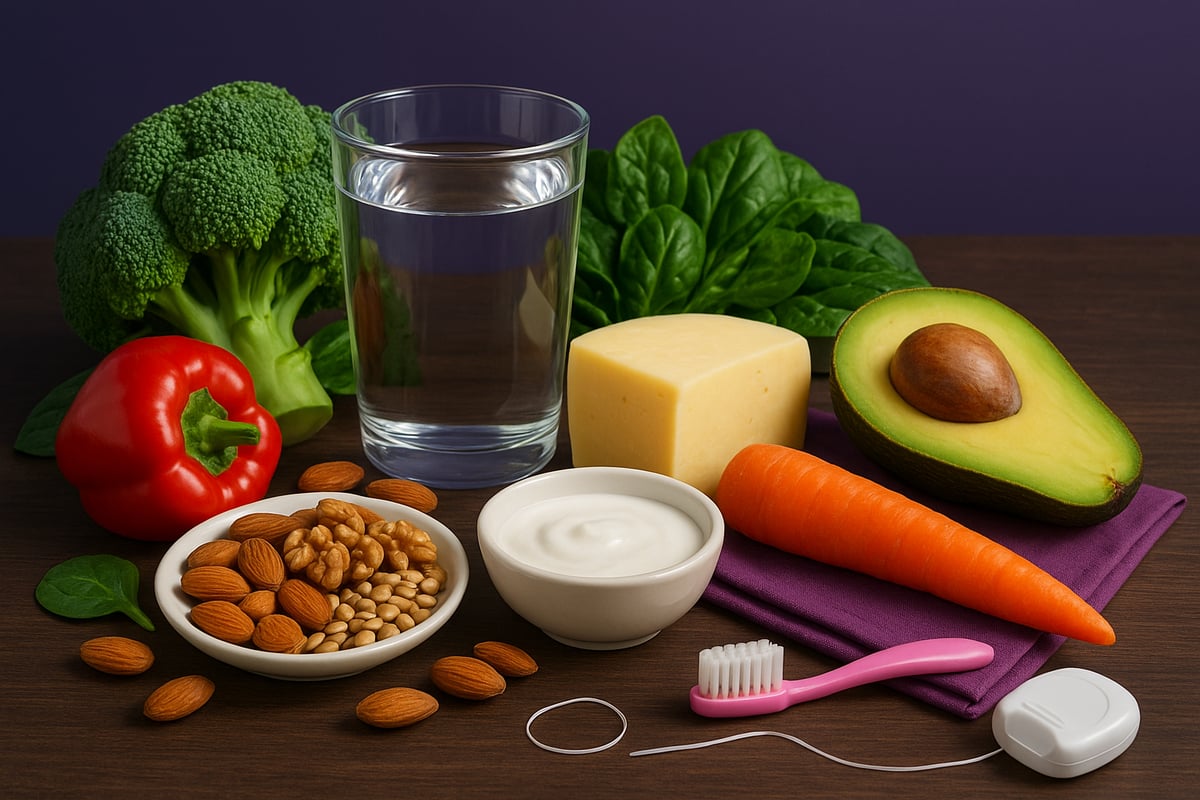
What you eat can strengthen your teeth and support long-term dental hygiene. Dairy products such as cheese and yoghurt provide calcium, which is essential for tooth structure. Leafy greens and fibrous vegetables help clean the mouth and stimulate saliva flow. Nuts supply minerals like phosphorus and magnesium.
Below is a quick reference table for tooth-friendly foods:
| Food Group | Benefit | Example Foods |
|---|---|---|
| Dairy | Calcium for enamel | Cheese, yoghurt, milk |
| Leafy Greens | Vitamins, cleans teeth | Spinach, kale, broccoli |
| Nuts | Minerals for strength | Almonds, walnuts |
| Fibrous Veg | Stimulates saliva | Carrots, celery, apples |
Choosing these foods daily supports a balanced diet and helps maintain a healthy smile.
Hydration and Oral Cleanliness
Water is a powerful ally in dental hygiene. Drinking plenty of water throughout the day encourages saliva production, which naturally washes away food particles and neutralises acids.
Saliva also contains minerals that remineralise enamel. Staying hydrated is especially important if you consume caffeinated or alcoholic drinks, as these can dry out the mouth and make it easier for bacteria to thrive. Keep a water bottle handy and sip regularly to maintain optimal oral health.
Lifestyle Habits: Smoking, Alcohol, and Trends
Lifestyle choices like smoking and frequent alcohol use can significantly impact your dental hygiene. Smoking restricts blood flow to the gums, making them more prone to disease and staining teeth. Alcohol can dry out the mouth, reduce saliva, and increase the risk of decay.
Modern dietary trends such as veganism may require special attention to ensure adequate intake of calcium and vitamin D. If you need guidance on preventing gum disease and maintaining oral health, you can find helpful gum disease treatment advice from dental professionals.
Vitamins, Minerals, and Practical Tips
Vitamins and minerals are crucial for dental hygiene. Calcium, vitamin D, and phosphorus support strong enamel and bone health. If you follow a plant-based diet, consider fortified foods or supplements to meet these needs.
Practical tips include eating a variety of nutrient-rich foods, reducing sugary snacks, and using straws for acidic drinks. Consistency in these habits lowers decay risk and keeps your smile brighter. Remember, small daily choices add up to lasting oral health.
Professional Dental Care: When and Why to See Your Hygienist or Dentist
Maintaining dental hygiene is not just about what you do at home. Professional dental care is a vital pillar of oral health, providing expert assessment, guidance, and preventive treatments. Regular visits to your hygienist or dentist can transform your approach, helping you achieve a brighter, healthier smile while preventing future issues.
The Role of Dental Hygienists and Therapists
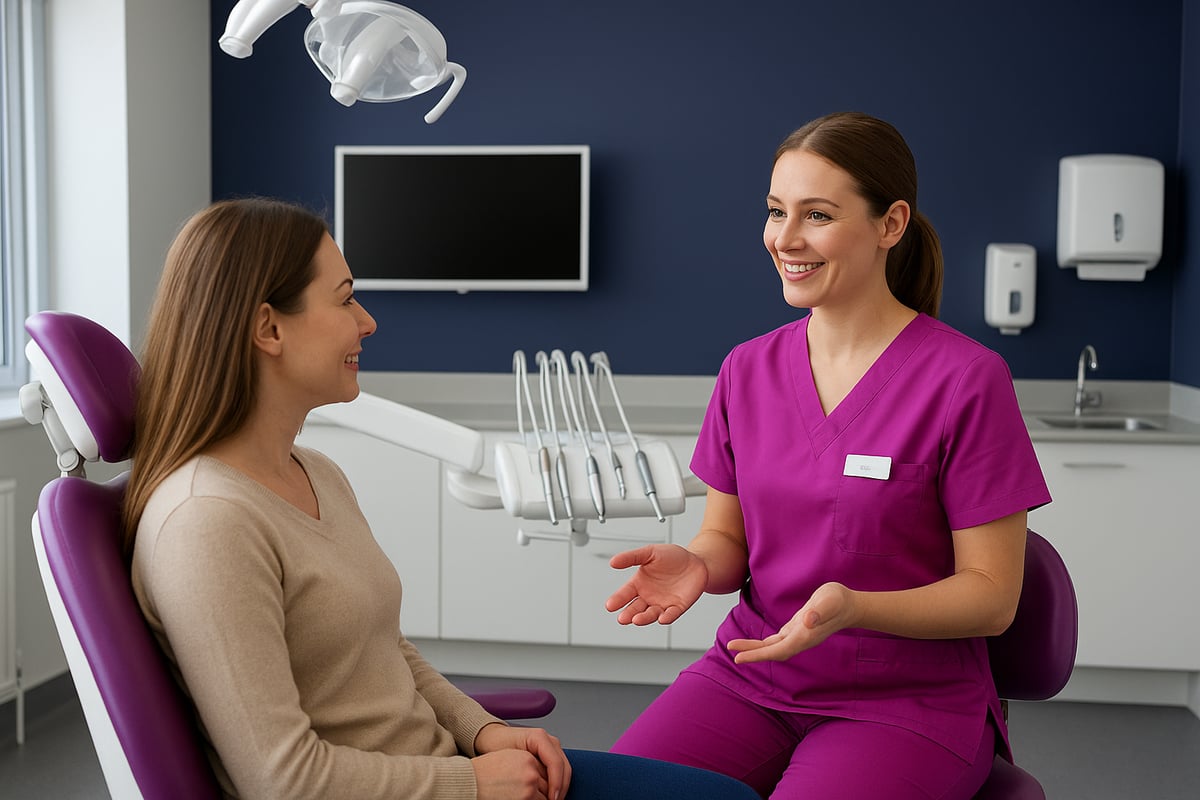
Dental hygienists and therapists are at the forefront of preventative dental hygiene. These professionals focus on cleaning teeth, assessing gum health, and delivering tailored education to help patients maintain optimal oral care routines.
Routine hygiene appointments typically occur once or twice a year, but those at higher risk may need more frequent visits. During these sessions, hygienists perform a range of procedures, from scale and polish to airflow therapy, each targeting plaque and stain removal. Therapists also play a broader role, providing treatments like fillings and preventive care for children.
One significant advantage of working with a dental hygienist is their ability to spot early signs of gum disease, decay, or other oral health concerns. They are equipped to offer evidence-based advice and demonstrate correct brushing and flossing techniques. If you wish to learn more about the people behind your care, you can explore the Dental hygienist and therapist team at Azure Dental Clinic, who bring specialised skills and patient-centred support to every appointment.
What Happens During a Dental Hygiene Appointment?
Understanding the process of a dental hygiene appointment can help ease any nerves and set clear expectations. Each visit begins with a thorough examination of your teeth and gums. The hygienist assesses plaque build-up, checks for gum inflammation, and identifies any potential problem areas.
Next comes plaque and tartar removal using ultrasonic or manual instruments. For patients with sensitive teeth, local anaesthetic gels may be applied to ensure comfort. The hygienist then polishes your teeth, which not only smooths surfaces but also helps prevent new plaque from adhering. Some appointments include airflow therapy, which uses a mixture of air, water, and powder to remove stubborn stains and brighten your smile.
Fluoride is often applied at the end of the session for added protection against cavities. Throughout the appointment, your dental hygiene professional will offer aftercare advice, demonstrating brushing and interdental cleaning techniques specific to your needs. Most appointments last under an hour and are pain-free, making regular dental hygiene visits accessible for even the busiest schedules.
Preventive Treatments and Advanced Options
Preventive treatments are a cornerstone of effective dental hygiene. Fluoride varnishes offer extra protection for enamel, while dental sealants are especially beneficial for children and adults with deep grooves in their molars. In fact, sealants can reduce decay in these teeth by up to 80 percent.
For patients with braces, implants, or a history of gum disease, tailored preventive plans are essential. These may include more frequent cleanings, airflow therapy, or special cleaning devices. Regular X-rays and oral cancer screenings are also part of comprehensive care, allowing for early intervention and peace of mind.
Here is a summary of common preventive options:
| Treatment | Benefit | Who Needs It |
|---|---|---|
| Fluoride varnish | Strengthens enamel, prevents decay | All ages |
| Dental sealants | Shields molars from cavities | Children, some adults |
| Airflow therapy | Removes stains, cleans gently | Stain-prone patients |
| X-rays & screenings | Early detection of issues | Everyone |
Azure Dental Clinic: Expert Pain-Free Hygiene and Cosmetic Care
Azure Dental Clinic in Formby, Liverpool, is committed to raising the standard of dental hygiene through advanced, pain-free care. Their experienced team offers comprehensive hygiene appointments, including airflow cleaning and bespoke cosmetic treatments. They specialise in supporting nervous patients, using the latest technology to ensure comfort and optimal results.
Patients benefit from digital smile assessments, clear pricing, and flexible consultations. The clinic’s focus on education and prevention means every patient receives a tailored plan for long-term oral health. With a reputation for excellence, Azure Dental Clinic is a trusted partner in your journey to a brighter, healthier smile.
Advanced Tips, Innovations, and Trends in Dental Hygiene for 2026
The landscape of dental hygiene is evolving rapidly, with 2026 bringing a host of innovations and strategies that empower individuals to achieve optimal oral health. As technology advances and new research emerges, staying informed about the latest trends is essential for maintaining a bright, confident smile.
New Technologies and Products to Watch
The future of dental hygiene is shaped by innovation. Smart toothbrushes equipped with AI feedback and app integration are now making personalised oral care more accessible. These devices analyse brushing technique, pressure, and coverage, then deliver tailored advice directly to your smartphone. This ensures every brushing session is both thorough and efficient.
Ultrasonic and water-based cleaning devices are gaining popularity for their ability to remove plaque effectively and gently. These tools, combined with advancements in toothpaste, such as nanotechnology and remineralising agents, offer improved enamel protection and whitening. Natural toothpaste formulations are also on the rise, catering to those who prefer fewer chemicals in their dental hygiene routine.
At-home whitening kits have become safer and more effective, with digital timers and sensitivity controls. If you’re interested in exploring safe whitening options that complement your daily dental hygiene, visit Teeth whitening and dental hygiene for an in-depth look at modern solutions.
Digital dental hygiene tools now track habits and offer real-time reminders, making it easier than ever to maintain consistency. With these innovations, individuals can take control of their dental hygiene and enjoy measurable results.
Tackling Common Dental Problems: Sensitivity, Staining, and Bad Breath
Despite technological advances, common dental hygiene challenges like sensitivity, staining, and halitosis persist. Sensitivity often results from enamel wear or gum recession. Using toothpaste designed for sensitive teeth and avoiding overly abrasive brushes can help minimise discomfort.
Staining is another frequent concern. While professional treatments deliver the most noticeable results, at-home products have improved significantly. Airflow therapy, for example, is highly effective for stain removal and can be discussed during your next dental hygiene appointment. Dietary choices also play a role. Limiting coffee, tea, and red wine can reduce surface stains, keeping your smile brighter for longer.
Bad breath, or halitosis, is usually caused by bacteria on the tongue or between teeth. Consistent tongue cleaning, daily interdental cleaning, and staying hydrated are crucial. If persistent bad breath remains despite diligent dental hygiene, consult your hygienist to rule out underlying health issues.
Staying proactive with these strategies helps prevent minor problems from becoming major concerns, reinforcing the importance of daily dental hygiene routines.
Building Lifelong Habits: Motivation and Family Dental Health
Establishing effective dental hygiene habits is the foundation of lifelong oral health. For families, creating routines that engage both children and adults is essential. Gamification, such as using brushing apps or reward charts, makes dental hygiene fun and encourages consistency.
Early education and positive reinforcement foster good habits from a young age. Addressing dental anxiety is also vital. Techniques like gradual exposure, relaxation exercises, and choosing a supportive dental practice can help nervous patients feel more at ease.
Consider scheduling family check-ups together. Group appointments not only save time but also promote accountability and shared learning. Studies show that families who prioritise collective dental hygiene see improved long-term outcomes.
By focusing on motivation and accessible routines, you ensure dental hygiene is a positive part of daily life, benefiting every member of the household.
Frequently Asked Questions About Dental Hygiene (2026 Edition)
Maintaining excellent dental hygiene is vital for both your smile and your overall health. Here, we answer the most common questions about dental hygiene in 2026, helping you make informed choices for a brighter, healthier future.
How often should I replace my toothbrush or brush head?
Replace your toothbrush or electric brush head every three months or sooner if bristles appear frayed. Worn bristles are less effective at cleaning, which can compromise your dental hygiene. After illness, always swap your brush to prevent reinfection. Consistent replacement supports the best dental hygiene outcomes.
Is electric really better than manual brushing?
Both can be effective, but studies show electric toothbrushes often outperform manual ones for plaque removal. Here’s a quick comparison:
| Feature | Manual Toothbrush | Electric Toothbrush |
|---|---|---|
| Plaque Removal | Good | Excellent |
| Ease of Use | Moderate | High |
| Cost | Low | Higher |
For optimal dental hygiene, choose the brush you’ll use consistently and correctly.
What’s the best way to whiten teeth safely?
Safe whitening starts with good dental hygiene. Use whitening toothpastes approved by dental authorities and avoid over-the-counter kits not regulated for UK use. For noticeable results, consult your dentist for professional whitening options. Avoid abrasive products, which can damage enamel and cause sensitivity.
Do I need to floss if I use an interdental brush?
Both flossing and interdental brushes help remove plaque from areas your toothbrush cannot reach. If your gaps are wide enough, interdental brushes are often more effective. For tight spaces, floss is still recommended. Consistent interdental cleaning is a key part of daily dental hygiene.
How can I prevent gum disease as I age?
Prioritise thorough dental hygiene: brush twice daily, clean between teeth, and use mouthwash as advised. Regular dental check-ups are crucial. As we age, gums may recede, so gentle technique is vital. According to the Scottish Health Survey 2024: Dental Health, routine prevention significantly reduces gum disease risk.
Are “natural” dental products as effective as traditional ones?
Some natural products are beneficial, but not all offer proven cavity protection. Look for fluoride in toothpastes and mouthwashes, as it strengthens enamel. For best dental hygiene, choose products with evidence-based ingredients and consult your dental professional before switching to natural alternatives.
How do I care for my teeth with braces, implants, or dentures?
Dental hygiene routines must be adapted for appliances. Use special brushes for braces and interdental aids for implants. For dentures, clean daily and soak overnight. Always follow your dentist’s personalised recommendations to prevent issues like staining or infection.
What should I do if I experience bleeding gums?
Bleeding gums often signal early gum disease or brushing too hard. Improve your dental hygiene by using a soft-bristled brush and cleaning gently. If bleeding persists, consult your dentist promptly. Early action can prevent progression to more serious gum issues.
Is it normal to have sensitive teeth after professional cleaning?
Yes, temporary sensitivity is common after a dental hygiene appointment, especially if you had tartar build-up or gum inflammation. This usually resolves within a few days. Use toothpaste for sensitive teeth and avoid very hot or cold foods until discomfort subsides.
Are dental payment plans worth it for ongoing hygiene care?
Payment plans can make regular dental hygiene appointments more affordable, spreading costs over time. Many clinics offer flexible options covering check-ups, hygiene visits, and preventive treatments. Assess your needs and budget to determine if a plan suits your oral health goals.
Where can I find trustworthy dental advice and resources?
For reliable information, consult your dental team and reputable organisations. The WHO’s Global Oral Health Strategy and the British Society of Dental Hygiene and Therapy offer up-to-date guidance on dental hygiene, prevention, and oral health trends worldwide.
Now that you know the foundations of great dental hygiene and the latest tips for a brighter, healthier smile, why not take the next step towards achieving your best results? At Azure Dental, we understand that every smile is unique, and our friendly team in Formby is here to offer personalised advice, advanced treatments, and ongoing support. If you’d like tailored guidance or want to explore your options for a pain free, confident smile, you can easily Book A Consultation. We’re here to help you feel your best—starting with your smile.