
Imagine achieving a straighter smile without the visibility or discomfort of traditional metal braces. With invisalign, you can discreetly transform your teeth using advanced clear aligner technology. This 2026 guide is designed to give you expert insight into every stage of the process, from how it works to aftercare and the latest innovations.
We will walk you through the benefits, suitability, treatment steps, costs, and what to expect day to day. Ready to discover your path to a more confident smile? Let’s explore how this cutting-edge solution can help you achieve the results you’ve always wanted.
What is Invisalign? The Science Behind Clear Aligners
Curious about how modern orthodontics can create a straighter smile without traditional wires and brackets? Invisalign is at the forefront of this transformation, offering a discreet solution that fits seamlessly into daily life. This section explores the science, technology, and impact behind Invisalign’s rise as a leading clear aligner system.
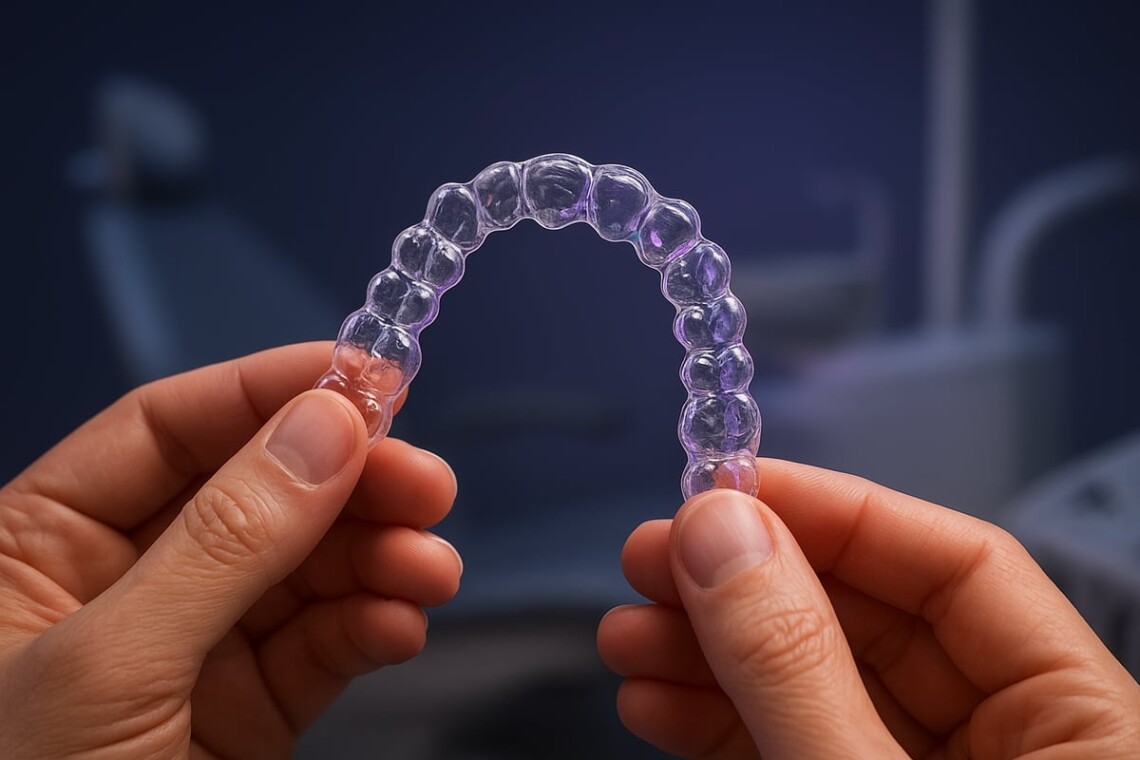
The Evolution of Teeth Straightening
Orthodontics has a rich history, evolving from basic metal bands to the sophisticated systems we see today. In the late twentieth century, traditional braces dominated the field, offering reliable results but often at the expense of comfort and aesthetics. The introduction of clear aligners marked a turning point, allowing patients to straighten their teeth with minimal impact on their appearance.
Invisalign emerged in 1998, quickly gaining global recognition for its innovative approach. Unlike fixed braces, Invisalign uses a series of removable, nearly invisible aligners. This shift not only improved comfort but also allowed users to maintain their usual eating and oral hygiene routines.
A significant breakthrough in the system was the development of SmartTrack thermoplastic material, which offers a precise fit and gentle, consistent pressure. This advancement helps ensure that teeth move efficiently and comfortably during treatment.
According to Invisalign’s global adoption statistics, Invisalign now represents a substantial share of adult orthodontic treatments worldwide. The rising popularity is due to its blend of science, comfort, and subtlety. Patients have reported life-changing transformations, gaining confidence in both their smiles and daily interactions.
How Invisalign Works: Technology and Treatment Planning
The power of Invisalign lies in its advanced technology. The process begins with a 3D intraoral scan, capturing an accurate digital impression of the patient’s teeth and bite. This eliminates the need for messy traditional impressions, making the experience more comfortable and precise.
These digital records are used to design a custom series of aligners, each engineered to move teeth incrementally. Virtual treatment planning allows both the clinician and patient to preview projected results before starting, setting clear expectations from the outset.
Patients wear each set of aligners for one to two weeks, gradually guiding teeth into alignment. The typical Invisalign treatment lasts between twelve and eighteen months, depending on the complexity of the case. This flexibility allows for tailored solutions, particularly effective for mild to moderate orthodontic issues.
It’s important to note that Invisalign is not suited for every case. Severe bite problems or complex dental movements may require alternative treatments. However, for many, the combination of cutting-edge materials, digital planning, and user-friendly design makes Invisalign a leading choice in modern orthodontics.
Who is Invisalign For? Suitability, Indications, and Limitations
Choosing the right orthodontic treatment involves understanding both your dental needs and your lifestyle. Invisalign has become a leading option for many, but is it suitable for everyone? This section explores which dental issues invisalign can address, who may need to consider alternatives, and what daily life is like with clear aligners.

Dental Issues Invisalign Can Correct
Invisalign is designed to address a range of mild to moderate orthodontic concerns. Its clear aligners are effective for:
- Crowded teeth
- Gaps between teeth
- Mild to moderate overbite
- Mild to moderate underbite
- Crossbite
- Open bite
According to a 2017 study, invisalign demonstrates its highest effectiveness for alignment and spacing issues. It is particularly well suited for adults and teens seeking a discreet, comfortable solution.
The process uses a series of custom-made aligners that gradually shift teeth into the desired position. Each set is worn for about 1–2 weeks, applying gentle pressure to guide movement.
For those considering invisalign in the North West, Invisalign treatments in Liverpool provide detailed information on eligibility and expected outcomes.
Real-world cases highlight the transformative results possible with invisalign, from closing gaps to correcting minor bite issues. However, suitability always depends on the individual’s dental structure and goals.
Who Should Avoid Invisalign?
While invisalign offers a modern alternative to metal braces, it is not suitable for every case. Individuals who may not be ideal candidates include:
- Those with severe jaw misalignment or skeletal discrepancies
- Patients requiring significant tooth or jaw movement
- Individuals with untreated gum disease or ongoing dental decay
- Young children with developing dentition
Traditional braces or other orthodontic treatments are often recommended in these circumstances, as fixed appliances can deliver more complex corrections. Invisalign also requires a foundation of good oral health; untreated periodontal issues should be addressed before starting treatment.
Additionally, invisalign is most commonly prescribed for teens and adults. Children may not have the discipline or dental maturity needed for successful aligner use. Your dentist or orthodontist will assess your suitability, taking into account dental health, age, and specific orthodontic needs.
It is important to have a thorough consultation before deciding, as invisalign’s effectiveness is limited in cases involving complex bite corrections or significant skeletal changes.
Lifestyle Factors and Compliance
Daily life with invisalign is shaped by the need for consistent aligner wear, typically 20 to 22 hours each day. Aligners should only be removed for eating, drinking anything besides water, and oral hygiene routines.
This flexibility offers clear advantages:
- No dietary restrictions compared to traditional braces
- Easier brushing and flossing for better oral health
- Minimal impact on speech after a short adjustment period
However, invisalign’s removability also requires discipline. Lost or forgotten aligners can delay progress. Patients must develop routines to keep aligners safe and clean when not in use.
Initial discomfort or mild soreness is normal during the first days of each new set, but this typically resolves quickly. Most users report less irritation than with metal brackets.
For best results, patients should track their aligner wear time, follow dental advice, and attend regular check-ups. Success with invisalign depends on personal commitment and support from dental professionals.
The Invisalign Journey: Step-by-Step Treatment Process
Embarking on your invisalign journey is a major step towards a healthier, more confident smile. Understanding each stage of the process helps you set realistic expectations and prepares you for a smooth, rewarding experience. Here, we break down the entire treatment pathway, from your first consultation to your final results.
Step 1: Initial Consultation and Assessment
Your invisalign journey starts with booking a consultation with an invisalign-certified dentist or orthodontist. At this appointment, your oral health will be thoroughly examined, and the clinician will determine if invisalign is suitable for your needs.
You will discuss your dental goals, concerns, and expectations. Digital smile simulation technology is often used, allowing you to preview potential results before committing to the journey. For example, Patient A visited an expert orthodontist, received a comprehensive assessment, and was shown a realistic digital preview of how their smile could look after invisalign treatment.
This initial stage is essential for building trust and ensuring your treatment plan is tailored to your unique smile.
Step 2: Digital Scanning and Treatment Planning
Once you decide to proceed, the next step involves advanced intraoral 3D scanning. Unlike traditional dental impressions, this process is comfortable and highly accurate. The scanner creates a detailed digital model of your teeth and bite, forming the foundation for your invisalign treatment plan.
Using specialised software, your orthodontist maps out each planned tooth movement. You will be able to review and approve the proposed plan before manufacturing begins. The treatment timeline is estimated at this stage, with most invisalign cases requiring 12 to 18 months for completion, though this can vary.
This phase highlights the precision and predictability that set invisalign apart from more traditional orthodontic approaches.
Step 3: Custom Aligner Fabrication
Following approval, your custom invisalign aligners are fabricated using advanced SmartTrack material. Each aligner is slightly different, engineered to guide your teeth gradually into their ideal positions.
Aligners are typically delivered in batches, and you will receive clear instructions on how to wear and care for them. The bespoke fit of invisalign aligners ensures comfort and effective tooth movement.
Patients often appreciate that the aligners are nearly invisible and easy to remove for eating, drinking, and oral hygiene. This stage marks a significant transition from planning to active treatment.
Step 4: Fitting and Starting Treatment
Your first set of invisalign aligners will be fitted at your next appointment. The dental professional checks for comfort and proper fit. In some cases, small, tooth-coloured attachments are bonded to certain teeth to facilitate specific movements.
You will receive detailed guidance on inserting, removing, and cleaning your invisalign aligners. Patient education is crucial here, as compliance directly impacts treatment success. Wearing aligners as instructed, for 20 to 22 hours per day, is vital for achieving the best possible results.
This hands-on support ensures you feel confident and informed as you begin your invisalign treatment.
Step 5: Regular Check-ups and Progress Monitoring
Throughout your invisalign journey, you will attend regular check-ups every 6 to 8 weeks. These visits allow your orthodontist to monitor progress, address any concerns, and make adjustments if needed.
In 2026, many clinics now offer remote monitoring apps, adding convenience by allowing you to submit photos and updates from home. Common issues such as lost aligners, discomfort, or slow tooth movement are addressed promptly during these appointments.
Choosing an experienced provider is key; for example, you can learn more about orthodontist expertise in Liverpool to ensure your invisalign journey is supported by skilled professionals.
Step 6: Completing Treatment and Final Assessment
As you reach the end of your invisalign journey, your final set of aligners will be used to fine-tune alignment. A comprehensive review is performed to confirm all treatment goals have been achieved.
A digital scan may be carried out to compare your original and final smile, demonstrating the transformation. Your clinician will then advise you on the next steps, including retainer options to maintain your results.
This final assessment celebrates your commitment and the expertise of your invisalign team, marking the successful completion of your smile transformation.
Life with Invisalign: Daily Experience, Care, and Tips
Embarking on your invisalign journey means adapting to a new daily routine, but the benefits are clear. Most patients find the experience manageable and rewarding, especially as they notice their smile transforming over time. Understanding what to expect, how to care for your aligners, and staying disciplined will help you achieve the best results.
Living with Aligners: What to Expect
Wearing invisalign aligners for 20 to 22 hours per day is essential for success. You will need to remove your aligners before eating or drinking anything other than water, which helps prevent staining and damage. This routine quickly becomes second nature, and many patients appreciate the flexibility compared to fixed braces.
Oral hygiene is more important than ever. Brushing after every meal and cleaning your aligners daily will keep your mouth healthy and your trays clear. Some people experience a mild lisp at first, but speech usually returns to normal within a few days. Socially, invisalign aligners are nearly invisible, boosting confidence in work and social settings.
If you are considering treatment in the North West, you may find it helpful to read about Invisalign for Southport patients, which provides insight into real patient experiences and local options.
Cleaning and Maintenance
Keeping your invisalign aligners clean is vital to prevent odour, cloudiness, and bacteria build-up. Always rinse your aligners under lukewarm water after removal and gently brush them with a soft toothbrush and mild, clear soap. Avoid using hot water, as it can warp the plastic.
Here are common cleaning mistakes to avoid:
- Using toothpaste, which can scratch aligners.
- Soaking in coloured mouthwash, which may stain.
- Leaving aligners out of their case, risking loss or contamination.
Always store your invisalign aligners in their provided case when not in use. This simple habit protects your aligners and supports your treatment progress.
Managing Discomfort and Complications
Some discomfort is normal, especially when switching to a new set of invisalign aligners. You might feel pressure or mild soreness, but this usually subsides within a couple of days. Over-the-counter pain relief or orthodontic wax can help ease any irritation.
If an aligner cracks, breaks, or is lost, contact your provider promptly for guidance. Do not attempt to repair a damaged invisalign tray yourself, as this could affect your results. In most cases, you may be advised to move to the next set or temporarily wear the previous aligner.
If you encounter persistent issues, such as ongoing pain or fit problems, schedule a check-up to ensure your invisalign treatment remains on track.
Success Factors and Patient Compliance
Consistency is the single most important factor in invisalign success. Aligners only work if worn as directed, so track your wear time using smartphone apps or reminders. Most aligners come with small indicators that can help you monitor usage.
Support from your dentist or orthodontist is invaluable. Regular check-ins, whether in person or remotely, provide motivation and allow for quick troubleshooting of any invisalign concerns. Many patients find that sharing progress photos and milestones keeps them focused and inspired.
With commitment and daily care, your invisalign journey will be smooth and rewarding, leading you confidently towards a straighter, healthier smile.
Invisalign Cost, Financing, and Value in 2026
Understanding the cost and value of invisalign is key when considering your orthodontic investment. This section breaks down current pricing, payment solutions, and the overall worth of choosing invisalign in 2026.
Understanding the Cost of Invisalign
Invisalign treatment in the UK typically ranges from £3,000 to £5,000, depending on the complexity of your dental case. The final price is influenced by factors such as the severity of misalignment, the length of treatment, and the expertise of your provider.
Compared to traditional braces, invisalign often offers a more discreet and comfortable experience, though the initial investment may be higher. Some patients find that the benefits, including easier oral hygiene and fewer emergency visits, justify the cost over time.
The table below summarises typical costs:
| Treatment Type | Average Cost (UK) |
|---|---|
| Invisalign | £3,000–£5,000 |
| Traditional Braces | £2,500–£4,000 |
| Other Clear Aligners | £1,500–£4,000 |
Choosing invisalign means you are investing in advanced technology and a tailored treatment plan.
Payment and Financing Options
Many dental clinics offer flexible ways to make invisalign more accessible. Interest-free finance is available at numerous practices, often allowing payments to be spread over 12 to 36 months.
It is important to note that invisalign is not generally available through the NHS, so private funding is required. Some clinics provide membership plans or discounts for patients who combine orthodontic care with routine dental check-ups.
When reviewing options, always ask for a full breakdown of costs and available payment plans. This ensures there are no surprises along the way and you can budget confidently for your invisalign journey.
Is Invisalign Worth It? Value Analysis
Assessing the value of invisalign goes beyond the initial cost. Benefits include improved aesthetics, comfort, and the ability to remove aligners for eating and cleaning. Many patients report high satisfaction, with long-term oral health improvements and increased confidence.
Treatment duration averages 12 to 18 months, and the number of aligners depends on your specific needs. Recent innovations, such as AI-driven treatment planning and smart sensors, have enhanced both accuracy and patient experience. For more details on these advancements, see Invisalign’s technological advancements in 2025.
Ultimately, invisalign delivers value through a combination of results, comfort, and modern technology.
Hidden Costs and Considerations
When budgeting for invisalign, remember to factor in potential extra costs. Lost or damaged aligners may require replacements, which can incur additional fees. Retainers are needed after treatment to maintain your new smile, and these are not always included in the initial quote.
Ask your provider about the full scope of your treatment, including all follow-up appointments and aftercare. Transparent pricing and a written agreement will help avoid unexpected expenses and ensure a smooth invisalign experience.
Aftercare and Maintaining Your New Smile
Completing your invisalign treatment is a major achievement, but maintaining your results requires ongoing commitment. Proper aftercare protects your investment, keeps your teeth aligned, and ensures your confident smile lasts for years to come.
Retainers: Essential for Lasting Results
After invisalign, wearing retainers is crucial to keep teeth from shifting back. Retainers help stabilise your new alignment, protecting the time and effort invested in your treatment.
There are two main types of retainers:
| Type | Description | Wear Schedule |
|---|---|---|
| Fixed | Bonded wire behind teeth | 24/7 (permanent) |
| Removable | Custom-fit, clear or acrylic devices | Full-time, then nights |
Typically, you will start with full-time wear, then transition to nights only as advised by your dentist. For a detailed explanation of retainer options and care, visit Orthodontic retainers after Invisalign.
Oral Hygiene and Ongoing Dental Care
Maintaining excellent oral hygiene is essential after invisalign. Brush and floss regularly to prevent plaque build-up and protect your gums.
- Clean your retainers daily using gentle, non-abrasive cleansers.
- Attend routine dental check-ups to monitor oral health and retainer fit.
- Professional cleanings remove stubborn stains and keep your smile bright.
Continue to avoid sugary snacks and drinks, as these can lead to decay or staining. A proactive approach helps your invisalign results last.
Troubleshooting and Long-Term Maintenance
Even after invisalign, minor tooth movement can occur. If you notice changes, contact your dentist promptly.
- Lost or broken retainers should be replaced immediately.
- Some patients may need minor touch-up aligners for small adjustments.
- Keep your retainers in their case when not in use to prevent loss or damage.
Regular monitoring and quick action address issues before they become significant, ensuring long-term stability.
Patient Stories and Success Rates
Many invisalign patients report high satisfaction with their post-treatment results. Real-life stories often highlight the confidence and comfort gained from a straighter smile.
Studies show that long-term stability is excellent when retainers are worn as directed, and most patients maintain their alignment for years. With consistent aftercare and support from your dental team, your invisalign journey sets you up for lasting success.
Innovations and What’s New for Invisalign in 2026
The world of invisalign is evolving rapidly, with 2026 bringing a host of new innovations. Patients and dental professionals alike can expect smarter, faster, and more comfortable treatment options than ever before.
Advancements in Invisalign Technology
Invisalign technology has advanced significantly for 2026. The latest SmartTrack material offers even greater precision, allowing for more predictable tooth movement and improved comfort. Patients notice aligners fit more snugly, leading to better results in less time.
Artificial intelligence now plays a central role in invisalign treatment planning. Algorithms analyse digital scans to map the most efficient path for each tooth, reducing human error and creating highly personalised aligner sequences. Enhanced 3D scanning tools provide accurate digital impressions, eliminating the discomfort of traditional moulds.
These breakthroughs ensure invisalign users experience a smoother journey from start to finish.
Digital Orthodontics and Patient Experience
Digital orthodontics has transformed the invisalign experience. Mobile apps now allow patients to track their progress, receive reminders, and communicate directly with their dental team. Virtual check-ins save time and make it easier to stay on track, especially for those with busy lifestyles.
Tele-dentistry is becoming standard practice for invisalign care. Patients can attend remote consultations, send photos, and receive feedback without needing to visit the clinic for every minor concern. Access to a personalised patient portal means treatment plans, progress photos, and appointment scheduling are always at your fingertips.
These digital enhancements empower invisalign patients to take control of their treatment with confidence.
Expanded Treatment Indications
Invisalign is now suitable for a wider range of orthodontic cases, including many that were once considered too complex for clear aligners. Integration with other dental technologies, such as digital implants and cosmetic dentistry, has broadened its capabilities.
Ongoing research continues to validate the effectiveness of invisalign for various bite issues. For example, a recent study evaluates effectiveness of Invisalign on open bite correction, demonstrating promising results for patients with this challenging condition.
With these advances, more people than ever can benefit from the versatility of invisalign.
The Future of Clear Aligners
The future for invisalign looks bright. Market trends indicate growing popularity among both adults and teens, as clear aligners become the preferred choice for discreet orthodontic care. Sustainability is also a focus, with manufacturers exploring eco-friendly materials and packaging.
Innovations in digital workflow, AI, and patient experience will continue to shape the invisalign landscape. Industry leaders report strong growth and utilisation rates, as highlighted in Align Technology’s 2024 financial results.
Patients starting invisalign in 2026 can look forward to even more advanced, convenient, and sustainable solutions for achieving their best smile.
Now that you’ve explored how Invisalign can discreetly transform your smile, it’s natural to wonder what your personal journey might look like. At Azure Dental, we make it easy to take the next step—our team uses advanced 3D scanning and digital previews, ensuring your treatment plan is tailored entirely to you. If you’re curious about how Invisalign could work for your unique needs or want to see a virtual preview of your future smile, why not start with a complimentary session? You can arrange your Free Virtual Consultation and begin your path towards a confident, healthy smile today.