
Veneers and Lumineers: Your Complete Cosmetic Guide
A beautiful smile can transform your confidence and leave a lasting impression in both personal and professional settings. For those seeking to enhance their teeth without extensive dental work, cosmetic dentistry offers two popular solutions that have revolutionised smile makeovers. Understanding the nuances between different cosmetic options helps patients make informed decisions about their oral health journey. Whether you're dealing with discolouration, chips, gaps, or misalignment, modern dental technology provides minimally invasive pathways to achieving the smile you've always wanted.
Understanding Dental Veneers: The Foundation of Smile Transformation
Dental veneers represent one of the most versatile and effective cosmetic dentistry treatments available today. These thin shells of tooth-coloured material bond to the front surface of teeth, creating an entirely new appearance whilst preserving much of your natural tooth structure. Traditional veneers have been transforming smiles for decades, offering solutions for patients with various aesthetic concerns.
Porcelain veneers typically measure between 0.5 to 0.7 millimetres in thickness. This dimension requires careful preparation of the natural tooth surface to ensure proper fit and prevent bulkiness. The preparation process involves removing a small amount of enamel, creating space for the veneer whilst maintaining natural tooth contours.
The Traditional Veneer Procedure
The journey to achieving veneers typically unfolds across multiple appointments. During your initial consultation, your cosmetic dentist assesses your smile goals and evaluates whether veneers suit your specific needs. This comprehensive examination includes discussing your expectations, examining tooth structure, and potentially taking photographs for treatment planning.
Key stages in the veneer process include:
- Initial consultation and smile assessment
- Tooth preparation and enamel removal
- Impression taking for custom fabrication
- Temporary veneer placement
- Final veneer bonding and adjustment
The preparation appointment involves carefully reshaping the tooth surface. Your dentist removes a thin layer of enamel, typically under local anaesthetic to ensure comfort throughout the procedure. Precise impressions or digital scans capture the prepared teeth, providing the dental laboratory with exact specifications for crafting your custom veneers.
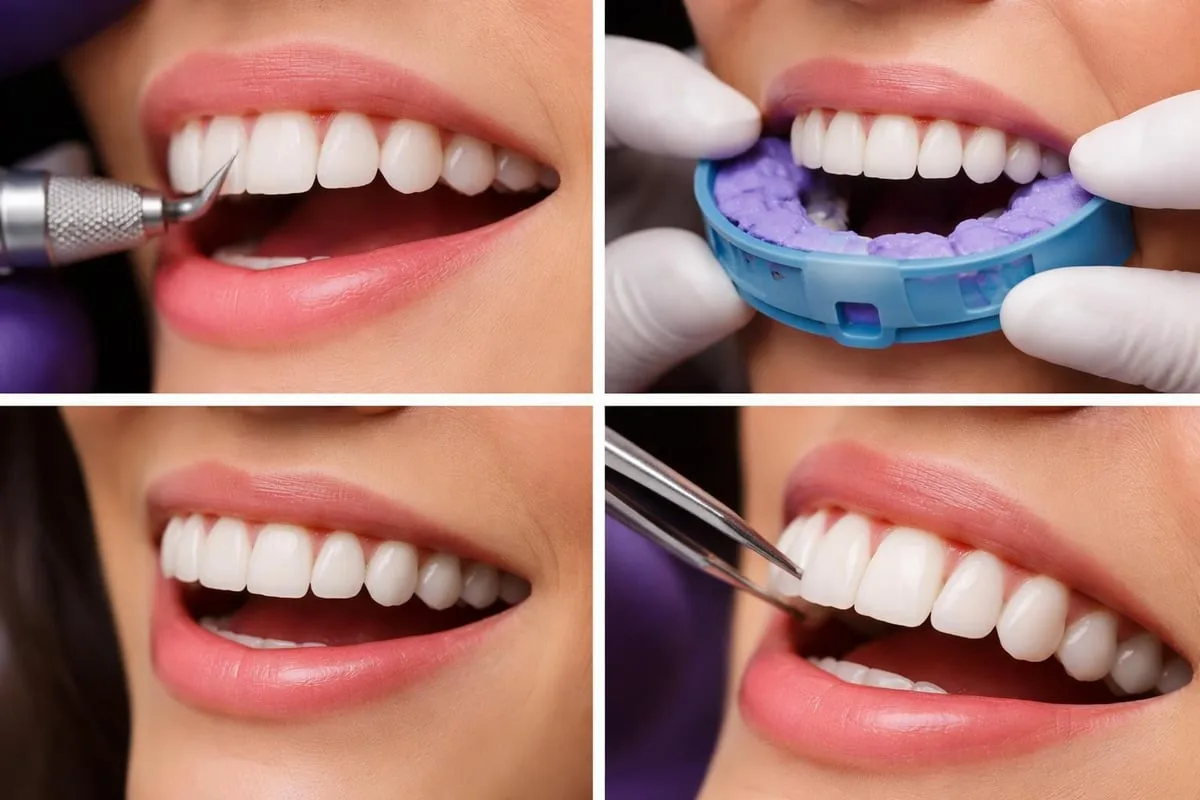
Temporary veneers protect your prepared teeth whilst the permanent restorations are fabricated. These provisional solutions typically remain in place for one to two weeks. During this period, patients should exercise caution with hard or sticky foods to prevent dislodging the temporaries.
Lumineers: The Evolution of Minimally Invasive Veneers
Lumineers represent a specific brand of ultra-thin veneers manufactured exclusively by Apex Dental Laboratory Group in the USA. These remarkable restorations measure approximately 0.2 to 0.3 millimetres thick, comparable to the thickness of a contact lens. This revolutionary thinness fundamentally changes the application process and patient experience.
The minimal thickness of Lumineers often eliminates the need for tooth preparation entirely. In many cases, dentists can bond Lumineers directly to natural tooth enamel without removing any tooth structure. This reversible approach appeals to patients seeking conservative cosmetic enhancement whilst preserving their natural teeth.
How Lumineers Differ From Traditional Options
When comparing veneers and lumineers, several distinguishing characteristics emerge beyond simple thickness measurements. The application methodology, durability considerations, and aesthetic outcomes all vary between these two approaches to smile enhancement.
| Feature | Traditional Veneers | Lumineers |
|---|---|---|
| Thickness | 0.5-0.7mm | 0.2-0.3mm |
| Preparation Required | Yes, enamel removal | Often no-prep |
| Reversibility | No | Potentially yes |
| Application Time | 2-3 appointments | Often 2 appointments |
| Lifespan | 10-15 years | 10-20 years |
| Cost | £800-£1,500 per tooth | £900-£2,000 per tooth |
The minimal preparation approach that Lumineers enable proves particularly advantageous for patients with dental anxiety or those seeking the most conservative treatment possible. However, this ultra-thin design also presents limitations in certain clinical scenarios, particularly when significant colour correction is needed.
Durability and Longevity Considerations
Both veneers and lumineers offer impressive durability when properly maintained, though their longevity depends on multiple factors including oral hygiene practices, dietary habits, and the presence of parafunctional habits like teeth grinding. Research on dental veneers indicates that proper care significantly extends their functional lifespan.
Traditional porcelain veneers typically last between ten to fifteen years before requiring replacement. Their slightly greater thickness provides inherent strength, making them somewhat more resistant to fracture under normal chewing forces. The bonding to prepared enamel also creates a robust mechanical retention that contributes to their longevity.
Lumineers, despite their remarkable thinness, demonstrate comparable or even superior longevity in many cases. The proprietary Cerinate porcelain used in Lumineers manufacture exhibits exceptional strength-to-thickness ratios. Many patients enjoy their Lumineers for fifteen to twenty years with appropriate maintenance.
Factors affecting veneer longevity:
- Quality of oral hygiene routine
- Regular dental check-ups and professional cleaning
- Avoidance of habits like nail biting or ice chewing
- Use of protective nightguards for teeth grinders
- Dietary choices and limitation of staining beverages
Aesthetic Outcomes: Achieving Your Ideal Smile
The aesthetic possibilities with veneers and lumineers extend far beyond simple colour correction. These versatile restorations address multiple cosmetic concerns simultaneously, creating comprehensive smile transformations. At Azure Dental, our cosmetic dentistry specialists work closely with patients to design smiles that complement facial features whilst appearing naturally beautiful.
Traditional veneers excel in situations requiring significant colour modification. Their greater thickness allows for more effective masking of severely discoloured teeth, such as those affected by tetracycline staining or excessive fluorosis. The opacity of standard porcelain veneers provides superior coverage in these challenging cases.
Addressing Multiple Cosmetic Concerns
Veneers and lumineers can simultaneously correct various aesthetic issues, offering comprehensive smile enhancement in a single treatment plan. Patients with multiple concerns often find these solutions more efficient than addressing each issue separately.
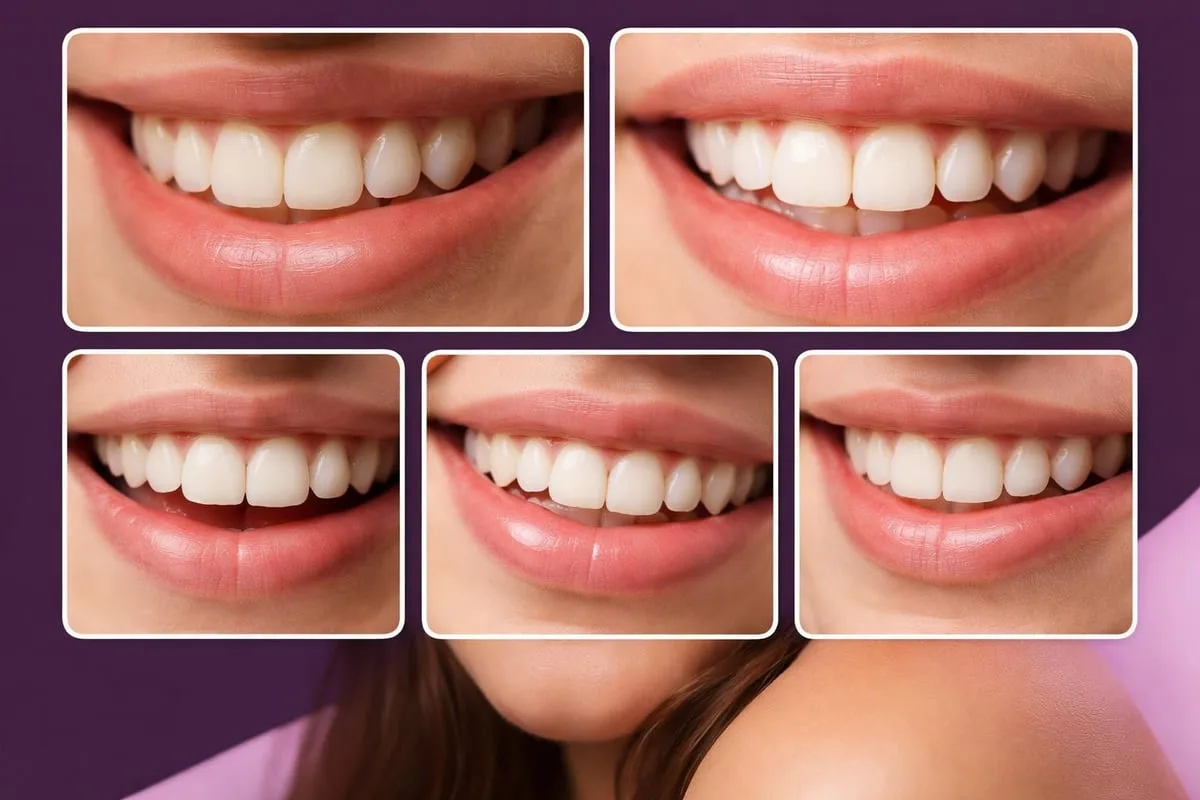
Common concerns addressed include:
- Tooth discolouration – Stubborn stains resistant to whitening treatments
- Chips and cracks – Minor damage affecting tooth appearance
- Gaps between teeth – Diastemas or spacing irregularities
- Misshapen teeth – Naturally small, pointy, or irregularly shaped teeth
- Minor misalignment – Slight rotations or positioning issues
- Uneven tooth lengths – Creating a harmonious smile line
Lumineers offer particular advantages when conservative enhancement is desired. Their translucency mimics natural tooth enamel beautifully, creating results that blend seamlessly with existing dentition. For patients with relatively healthy, lightly stained teeth, Lumineers provide subtle yet transformative improvements.
Cost Considerations and Investment Value
Understanding the financial investment required for veneers and lumineers helps patients plan appropriately for their smile transformation. Whilst these treatments represent a significant expenditure, many patients find the confidence boost and aesthetic improvement justify the investment in their appearance and wellbeing.
Traditional porcelain veneers typically range from £800 to £1,500 per tooth in the UK, with variations depending on the dentist's expertise, laboratory quality, and geographic location. Lumineers generally command slightly higher fees, ranging from £900 to £2,000 per tooth, reflecting their proprietary manufacturing process and no-prep benefits.
Breaking Down the Investment
The total cost for a complete smile makeover varies considerably based on individual needs. Some patients require only four to six veneers on their most visible front teeth, whilst others opt for comprehensive transformations involving eight to ten teeth across the upper arch.
| Number of Teeth | Traditional Veneers | Lumineers |
|---|---|---|
| 4 teeth | £3,200-£6,000 | £3,600-£8,000 |
| 6 teeth | £4,800-£9,000 | £5,400-£12,000 |
| 8 teeth | £6,400-£12,000 | £7,200-£16,000 |
| 10 teeth | £8,000-£15,000 | £9,000-£20,000 |
Many private dental practices, including those specialising in cosmetic treatments, offer flexible payment plans to make smile transformations more accessible. These financing options allow patients to invest in their confidence whilst managing the cost through manageable monthly instalments.
Choosing Between Veneers and Lumineers
Selecting the appropriate cosmetic solution requires careful consideration of your specific dental situation, aesthetic goals, and personal preferences. Understanding the key differences between these options empowers you to make informed decisions about your smile enhancement journey.
Traditional veneers prove ideal for patients requiring significant colour correction or those with more substantial cosmetic concerns. The additional thickness and opacity provide superior masking ability, making them the preferred choice for heavily stained or discoloured teeth. Their established track record and versatility make them suitable for a wide range of clinical scenarios.
Lumineers excel when minimal intervention is desired. Patients seeking conservative enhancement whilst preserving natural tooth structure often prefer this approach. The no-prep or minimal-prep nature of Lumineers appeals to those anxious about irreversible dental procedures.
Consider traditional veneers when:
- Significant colour change is needed
- Teeth are moderately to severely discoloured
- More substantial reshaping is required
- Budget allows for comprehensive treatment
- Permanent commitment to enhancement is acceptable
Consider Lumineers when:
- Teeth are relatively healthy with light staining
- Minimal intervention is preferred
- Reversibility is important
- Natural translucency is desired
- Conservative enhancement meets aesthetic goals
Safety and Professional Considerations
The importance of seeking treatment from qualified dental professionals cannot be overstated, particularly given recent warnings about unlicensed individuals offering veneer procedures via social media platforms. Proper training, experience, and oversight ensure both aesthetic success and long-term oral health.

Qualified cosmetic dentists undergo extensive training in smile design principles, dental materials science, and precision bonding techniques. This expertise proves crucial for achieving results that appear natural, function properly, and maintain oral health over the long term. Attempting to cut costs by seeking treatment from unqualified providers risks serious complications including infection, tooth damage, and poor aesthetic outcomes.
The Importance of Comprehensive Assessment
A thorough evaluation forms the foundation of successful cosmetic dentistry. Your dentist should assess multiple factors including tooth structure, gum health, bite relationships, and facial aesthetics before recommending veneers or Lumineers. This comprehensive approach ensures treatments complement your unique features whilst supporting optimal oral function.
Professional assessment includes:
- Clinical examination of teeth, gums, and bite
- Photographic analysis for smile design planning
- Discussion of expectations and desired outcomes
- Review of dental history and existing restorations
- Evaluation of oral hygiene and periodontal health
- Assessment of parafunctional habits like grinding
Maintenance and Long-Term Care
Protecting your investment in veneers and lumineers requires commitment to excellent oral hygiene and regular professional care. Whilst these restorations resist staining better than natural teeth, they still demand proper maintenance to maximise their lifespan and aesthetic appeal.
Daily care routines should include thorough brushing with non-abrasive toothpaste and gentle flossing around each veneer. Electric toothbrushes with soft bristles provide effective cleaning without risking damage to the bonding interface. Many patients find success with water flossers, which clean around restorations whilst being gentle on gum tissue.
Essential maintenance practices include:
- Brushing twice daily with soft-bristled brush
- Daily flossing with care around margins
- Regular professional cleanings every six months
- Avoiding excessive force on front teeth
- Wearing nightguards if grinding occurs
- Limiting consumption of staining beverages
- Scheduling prompt repairs if damage occurs
The testimonials from satisfied patients at practices specialising in cosmetic dentistry often highlight the transformative impact of proper veneer care. Patients who maintain their restorations diligently frequently exceed expected longevity predictions, enjoying beautiful smiles for decades.
Professional check-ups allow your dentist to monitor the condition of your veneers or Lumineers, identifying potential issues before they become problematic. These appointments typically include careful examination of bonding margins, assessment of opposing tooth wear, and professional cleaning to maintain optimal aesthetics.
Combination Approaches and Complementary Treatments
Many patients achieve their ideal smile through strategic combinations of cosmetic treatments rather than relying solely on veneers or Lumineers. Integrating multiple approaches allows for more nuanced results, addressing different concerns with the most appropriate solutions for each area.
Professional teeth whitening often precedes veneer placement, particularly when treatment involves only the front teeth. Whitening the natural teeth creates a uniform colour foundation, allowing veneers to match a brighter baseline rather than existing discoloured teeth. This approach proves especially valuable when veneers cover only four to six front teeth.
The comprehensive services available at modern cosmetic practices, including facial aesthetic treatments, enable holistic enhancement that extends beyond teeth alone. Combining dental cosmetics with subtle facial rejuvenation creates harmonious results that enhance overall appearance whilst maintaining natural beauty.
| Treatment Combination | Benefits | Ideal Candidates |
|---|---|---|
| Veneers + Whitening | Uniform brightness across smile | Partial veneer cases |
| Lumineers + Bonding | Conservative enhancement of multiple concerns | Minor irregularities |
| Veneers + Orthodontics | Comprehensive alignment and aesthetics | Significant misalignment |
| Veneers + Gum Contouring | Balanced tooth-to-gum proportions | Gummy smile concerns |
Both veneers and lumineers offer exceptional pathways to smile transformation, each with distinct advantages suited to different clinical situations and patient preferences. The choice between these options depends on your specific dental condition, aesthetic goals, and comfort with various treatment approaches. At Azure Dental, our experienced cosmetic dentistry team in Formby provides personalised consultations to help you determine which solution best aligns with your vision for your smile, ensuring beautiful, long-lasting results that enhance your confidence and quality of life.