
Cosmetic Dental Bonding Near Me: Complete Guide 2026
Finding quality cosmetic dental bonding near me has become increasingly important for patients seeking affordable, minimally invasive smile enhancements. Whether you're dealing with chipped teeth, gaps between teeth, or minor discolouration, dental bonding offers a practical solution that can dramatically improve your smile in just one appointment. This comprehensive guide explores everything you need to know about cosmetic dental bonding, from understanding the procedure to selecting the right dental practice in your area.
What Is Cosmetic Dental Bonding
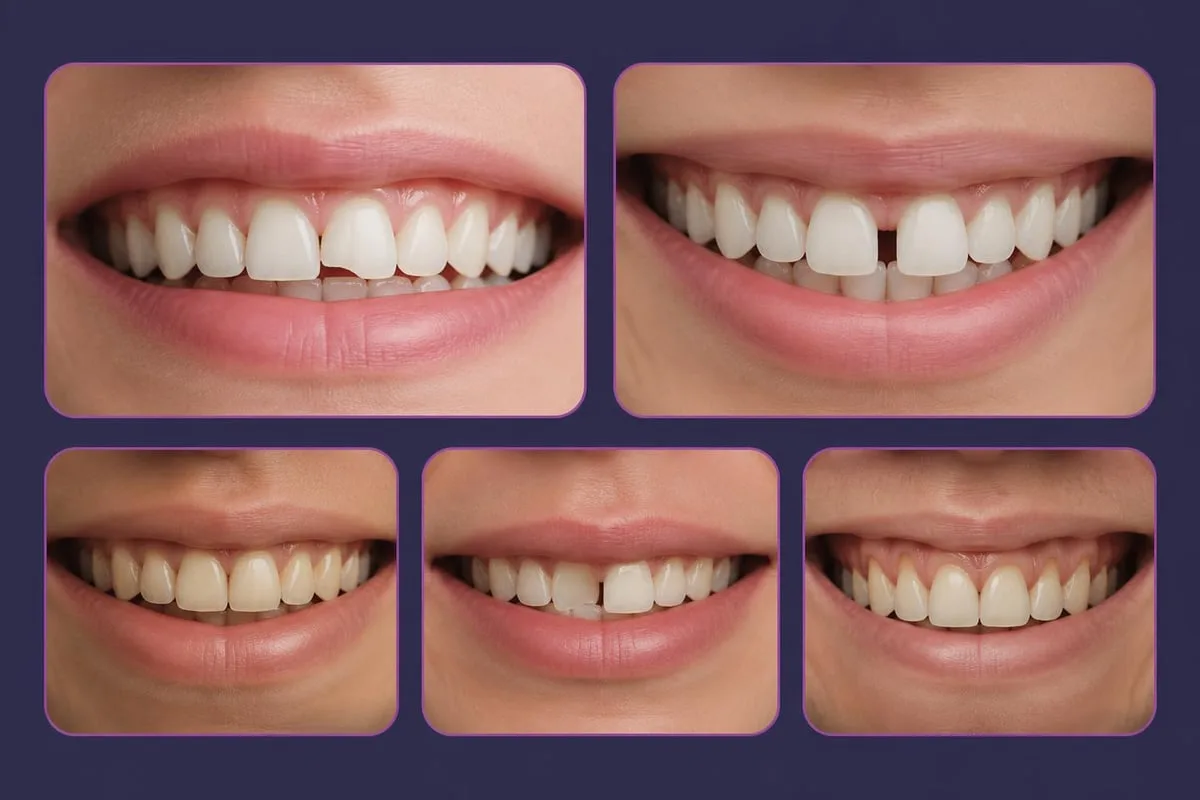
Cosmetic dental bonding is a versatile dental procedure that uses tooth-coloured composite resin material to repair or enhance the appearance of teeth. The process involves applying this pliable resin directly to the tooth surface, sculpting it to the desired shape, and then hardening it with a special curing light. Unlike more invasive treatments, bonding typically requires minimal tooth preparation and can often be completed without anaesthesia.
The composite material used in dental bonding consists of a mixture of plastic and glass particles that can be precisely colour-matched to your natural teeth. This ensures that the bonded areas blend seamlessly with your existing smile, creating results that look completely natural.
Common Applications for Dental Bonding
Dental bonding addresses numerous cosmetic and structural dental concerns effectively:
- Repairing chipped or cracked teeth
- Closing small gaps between teeth
- Changing the shape of teeth to improve symmetry
- Covering discoloured or stained teeth
- Protecting exposed tooth roots from gum recession
- Making teeth appear longer or more uniform
When searching for cosmetic dental bonding near me, patients often discover that gap dental bonding can transform their smile without the cost or commitment of veneers. The versatility of bonding makes it suitable for both minor touch-ups and more comprehensive smile makeovers when multiple teeth require treatment.
The Dental Bonding Procedure Explained
Understanding what happens during a bonding appointment helps reduce anxiety and sets realistic expectations. The entire process typically takes between 30 and 60 minutes per tooth, making it one of the quickest cosmetic dental treatments available.
Step-by-Step Bonding Process
- Consultation and colour matching: Your dentist examines the teeth requiring treatment and selects a composite resin shade that matches your natural tooth colour perfectly
- Tooth preparation: The tooth surface is lightly roughened and a conditioning liquid applied to help the bonding material adhere properly
- Resin application: The dentist applies the putty-like composite resin to the tooth, carefully moulding and shaping it to achieve the desired appearance
- Curing: A special blue UV light hardens the material, bonding it permanently to the tooth structure
- Final shaping and polishing: Once hardened, the dentist trims, shapes, and polishes the bonded area until it matches the sheen of your natural teeth
Most cosmetic dental bonding near me procedures require no anaesthetic unless the bonding is being used to fill a decayed tooth. According to Healthline’s comprehensive guide on teeth bonding, the non-invasive nature of the procedure makes it particularly appealing to patients anxious about dental work.
How Long Does Bonding Last
| Factor | Impact on Longevity |
|---|---|
| Oral hygiene | Excellent care extends lifespan to 7-10 years |
| Diet habits | Avoiding hard foods prevents chipping |
| Lifestyle choices | Not smoking keeps bonding from staining |
| Placement location | Front teeth bonding lasts longer than molars |
| Professional maintenance | Regular check-ups identify issues early |
The composite resin material is durable but not as strong as your natural tooth enamel or porcelain veneers. With proper care, dental bonding typically lasts between three and ten years before requiring touch-ups or replacement.
Benefits of Choosing Dental Bonding
Cosmetic dental bonding offers numerous advantages that make it an attractive option for smile enhancement. Cost-effectiveness ranks among the primary benefits, as bonding typically costs significantly less than veneers or crowns whilst still delivering impressive aesthetic results.
Key advantages include:
- Minimal tooth preparation preserves natural tooth structure
- Single-visit treatment saves time compared to multi-appointment procedures
- Reversible procedure allows for future treatment options
- Natural-looking results when performed by skilled practitioners
- Pain-free process in most cases
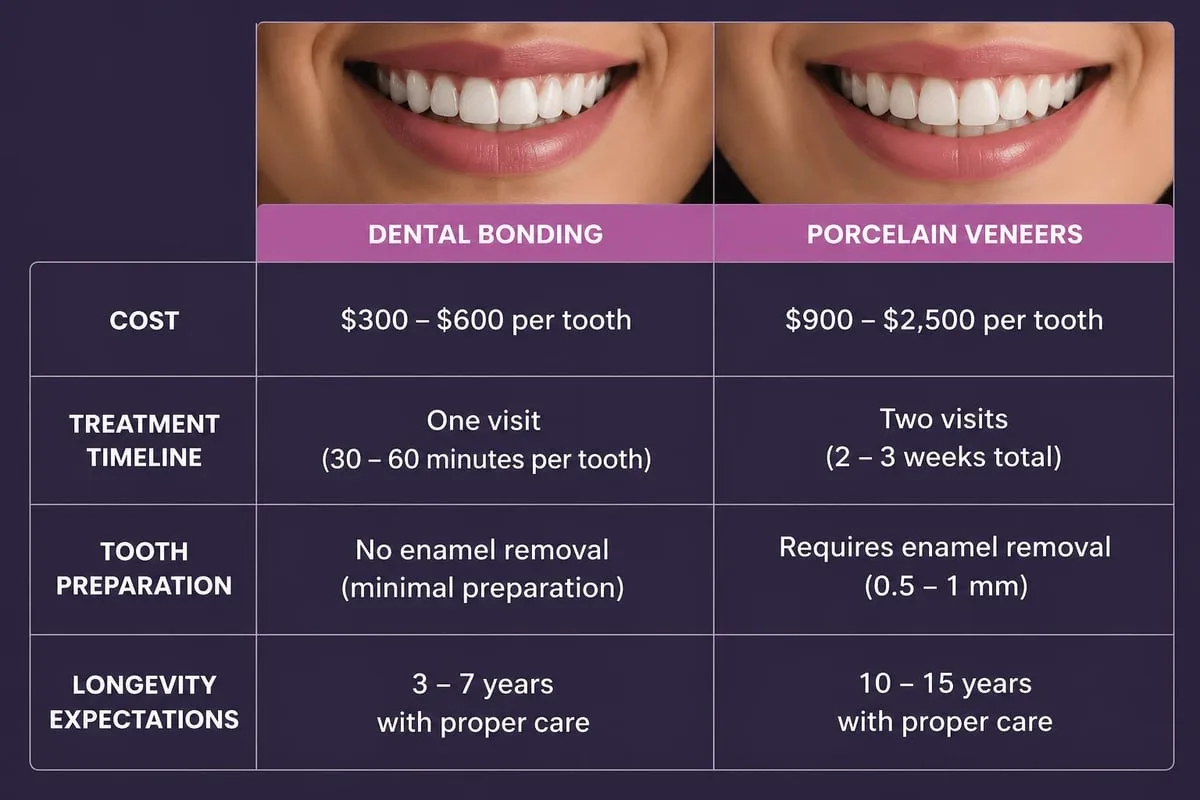
The conservative nature of bonding particularly appeals to patients who value preserving their natural teeth. Unlike veneers, which require removing a layer of enamel, bonding adds material to teeth rather than removing it. This makes bonding an excellent first option for younger patients whose teeth may require different treatments as they age.
Affordability Compared to Other Treatments
When researching cosmetic dental bonding near me, cost considerations often influence treatment decisions significantly. Bonding presents a budget-friendly alternative to more expensive cosmetic procedures whilst still achieving remarkable transformations.
| Treatment | Average Cost Range | Lifespan | Appointments Required |
|---|---|---|---|
| Dental Bonding | £150-£400 per tooth | 3-10 years | 1 visit |
| Porcelain Veneers | £500-£1,200 per tooth | 10-15 years | 2-3 visits |
| Dental Crowns | £800-£1,500 per tooth | 10-15 years | 2-3 visits |
For patients seeking multiple teeth enhancements, the cost savings with bonding become even more substantial. Many dental practices, including those offering composite bonding treatments, provide package pricing for comprehensive smile makeovers.
Dental Bonding Versus Veneers
Deciding between bonding and veneers represents a common dilemma for patients exploring cosmetic dentistry options. Both treatments improve smile aesthetics, but they differ significantly in approach, durability, and investment required.
Bonding excels for minor corrections and budget-conscious patients, whilst veneers offer superior longevity and stain resistance for more comprehensive transformations. The comparison between teeth bonding and veneers reveals important considerations that help patients make informed decisions.
When Bonding Makes More Sense
Certain situations make dental bonding the optimal choice:
- Single tooth repairs or small corrections
- Temporary solutions for young patients whose teeth are still developing
- Budget constraints limiting cosmetic dentistry spending
- Patients who want to trial aesthetic changes before permanent treatments
- Minor chips, cracks, or gaps requiring quick fixes
When Veneers Prove Superior
Conversely, veneers offer advantages in specific scenarios:
- Severe discolouration that bonding cannot adequately mask
- Multiple teeth requiring comprehensive aesthetic enhancement
- Patients seeking maximum durability and stain resistance
- Significant shape or size corrections needed
- Long-term investment in permanent smile transformation
Your dentist can assess your individual circumstances and recommend the most appropriate treatment during a consultation.
Finding Quality Cosmetic Dental Bonding Near Me
Selecting the right dental practice for your bonding treatment significantly impacts both the aesthetic outcome and your overall experience. Not all dentists possess equal skill in cosmetic procedures, making research essential when searching for cosmetic dental bonding near me.
Essential Qualities to Seek
Look for these characteristics in a cosmetic dental provider:
- Specific training and experience in cosmetic dentistry
- Before-and-after portfolio demonstrating bonding results
- Modern equipment and up-to-date techniques
- Comprehensive consultation process
- Clear communication about expectations and costs
- Positive patient testimonials and reviews
The Associated Press has reported on risks associated with unlicensed practitioners offering dental services, emphasising the critical importance of verifying credentials and licensing before proceeding with any cosmetic dental treatment.
Questions to Ask During Consultations
When meeting with potential providers for cosmetic dental bonding near me, these questions help evaluate their suitability:
- How many bonding procedures do you perform monthly?
- Can I see examples of bonding work you've completed on patients with similar concerns?
- What type of composite materials do you use and why?
- How do you ensure colour matching with natural teeth?
- What happens if I'm not satisfied with the results?
- Do you offer any guarantees or warranties on bonding work?
A skilled cosmetic dentist will answer these questions confidently and provide detailed information about their approach to achieving optimal results.
Preparing for Your Bonding Appointment
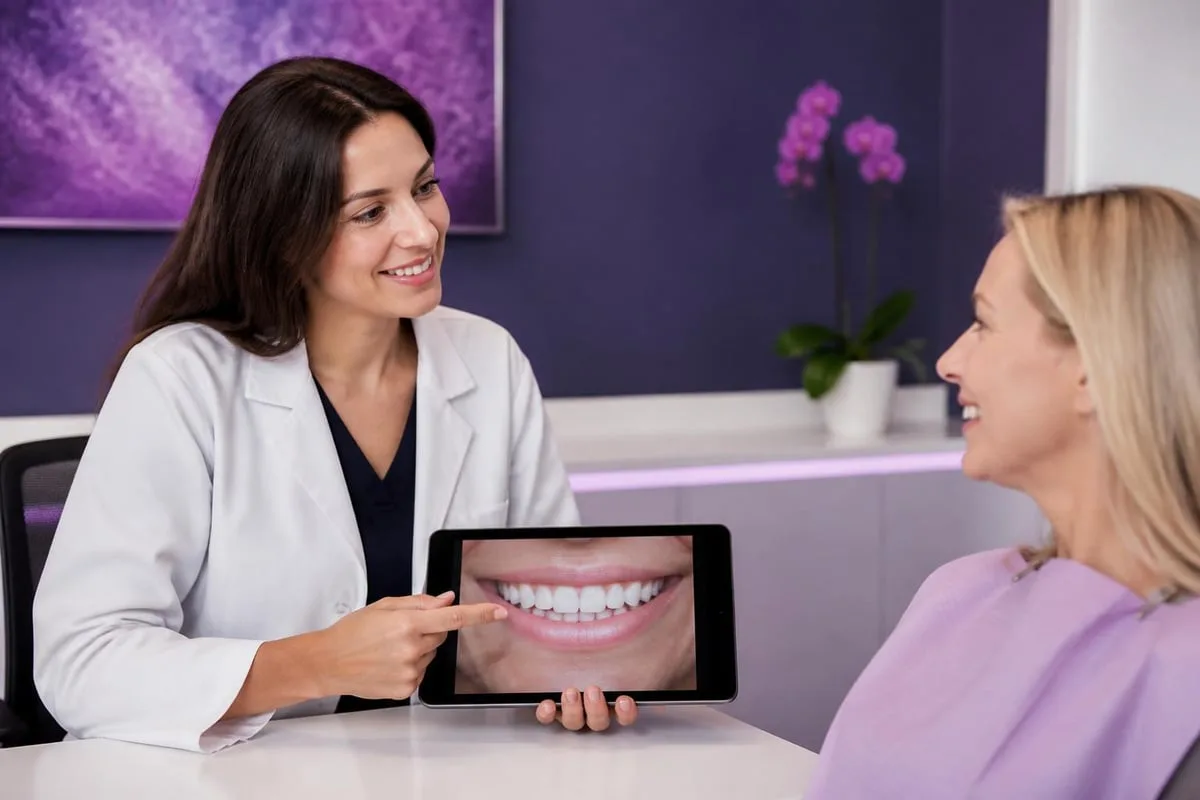
Proper preparation ensures the best possible outcome from your dental bonding treatment. Most preparation occurs during the consultation phase when your dentist evaluates your teeth and discusses your aesthetic goals thoroughly.
Professional teeth cleaning before bonding helps ensure optimal adhesion and colour matching. Some dentists recommend scheduling a hygiene appointment a week or two before your bonding procedure to remove any surface stains or tartar buildup.
What to Discuss With Your Dentist
Open communication about expectations prevents disappointment and ensures alignment between your vision and achievable results:
- Specific concerns you want addressed
- Desired tooth shape and size
- Natural-looking versus dramatic transformation preferences
- Timeline for treatment completion
- Budget constraints or financial considerations
- Long-term maintenance requirements
Bringing reference photos of smiles you admire helps convey your aesthetic preferences effectively. Your dentist can then explain how closely bonding can replicate those results based on your unique dental anatomy.
Day of Procedure Preparations
The bonding appointment itself requires minimal special preparation. However, these tips optimise your experience:
- Eat a normal meal beforehand since your mouth won't be numb
- Avoid coffee or tea immediately before to prevent temporary staining
- Brush and floss thoroughly
- Arrive with questions written down if needed
- Wear comfortable clothing for the appointment duration
Most patients feel completely comfortable throughout the procedure and can return to normal activities immediately afterwards.
Caring for Bonded Teeth
Maintaining your bonding investment requires specific care practices that protect the composite material and extend its lifespan. Whilst bonded teeth don't need special cleaning tools, certain habits help preserve their appearance and structural integrity.
Daily Care Recommendations
Follow these guidelines to maximise bonding longevity:
- Brush twice daily with non-abrasive toothpaste
- Floss gently around bonded areas
- Use an antiseptic mouthwash to prevent bacteria buildup
- Avoid biting hard objects like ice, pens, or fingernails
- Cut hard foods into smaller pieces rather than biting directly
- Wear a nightguard if you grind your teeth whilst sleeping
The composite resin used in bonding can stain more easily than natural tooth enamel, making dietary choices particularly important during the first 48 hours after treatment when the material is most porous.
Foods and Habits to Avoid
| Category | Specific Items | Reason |
|---|---|---|
| Staining beverages | Coffee, red wine, dark tea | Causes discolouration over time |
| Hard foods | Ice, hard sweets, nuts | Risk chipping bonded material |
| Sticky foods | Caramels, toffee, gummy sweets | Can pull bonding away from tooth |
| Acidic items | Citrus, fizzy drinks | Weakens bonding adhesion |
| Tobacco products | Cigarettes, chewing tobacco | Rapid yellowing and staining |
Similar to recommendations for airflow aftercare, maintaining excellent oral hygiene proves essential for preserving cosmetic dental work.
Professional Maintenance
Regular dental check-ups allow your dentist to monitor the bonding condition and address minor issues before they become problematic. Most cosmetic dentists recommend examinations every six months, during which they can:
- Polish bonded areas to maintain shine
- Check for chips, cracks, or separation
- Touch up minor wear or discolouration
- Assess overall oral health impacting bonding
Professional polishing restores the lustre of bonded teeth that may dull slightly over time due to normal wear and dietary exposure.
Potential Limitations and Considerations
Whilst dental bonding offers numerous benefits, understanding its limitations helps set realistic expectations. The composite resin material, though durable, doesn't match the strength of natural tooth enamel or porcelain restorations.
Bonding works best for minor to moderate cosmetic corrections. Severely damaged teeth, extensive discolouration, or significant structural problems may require alternative treatments like crowns or veneers for optimal results.
Situations Where Bonding May Not Be Ideal
Consider these scenarios where alternatives might prove more suitable:
- Heavy bite pressure on back teeth requiring restoration
- Severe tooth discolouration from medication or trauma
- Large gaps requiring significant tooth size increases
- Patients with heavy grinding or clenching habits
- Desire for maximum stain resistance and longevity
Your dentist will honestly assess whether bonding can achieve your goals or if another treatment option would serve you better. This transparency ensures you invest in the most appropriate solution for your unique circumstances.
Realistic Outcome Expectations
Bonding produces natural-looking results when performed skillfully, but subtle differences may exist between bonded and natural teeth. The composite material can develop slight colour variations over years, particularly with exposure to staining substances.
Patients seeking absolute perfection or maximum durability often choose porcelain veneers despite the higher cost. However, for many individuals, bonding provides an excellent balance of aesthetics, affordability, and tooth conservation.
Regional Considerations for Liverpool Area
Searching for cosmetic dental bonding near me in the Liverpool and Formby area presents patients with numerous options, from NHS practices offering basic bonding to specialist cosmetic clinics providing advanced aesthetic treatments.
The Merseyside region hosts several dental practices with expertise in cosmetic procedures, though quality and experience levels vary considerably. Private dental clinics often invest more heavily in advanced training and premium materials compared to general NHS practices where cosmetic work may be limited.
What Liverpool Patients Should Know
Local patients benefit from competitive pricing due to the concentration of dental practices in the area. However, cost shouldn't be the sole deciding factor when selecting a provider for cosmetic work that significantly impacts your appearance.
Liverpool-specific considerations include:
- Travel time to appointments and follow-up visits
- Parking availability and costs at the practice
- Flexibility of appointment scheduling
- Emergency contact options if issues arise
- Continuity of care with the same dentist
Many patients find that travelling slightly further to a specialist cosmetic practice yields superior results compared to choosing the nearest general dentist simply for convenience.
Private Versus NHS Bonding Options
NHS dental services in England focus primarily on maintaining oral health rather than cosmetic enhancements. Whilst some bonding may be available through NHS treatment for damaged teeth, purely aesthetic bonding typically requires private payment.
Private cosmetic dentistry offers advantages for bonding procedures:
- More time allocated per appointment for precise work
- Premium composite materials with superior aesthetics
- Advanced colour-matching technology
- Comprehensive aesthetic planning
- Greater focus on achieving excellent cosmetic outcomes
The investment in private treatment often proves worthwhile when the results significantly impact your confidence and quality of life.
The Azure Dental Approach to Bonding
Practices specialising in cosmetic dentistry bring specific expertise and attention to detail that elevate bonding results beyond basic restorative work. The artistic element of creating natural-looking, aesthetically pleasing bonding requires both technical skill and an eye for facial proportions and smile design.
Comprehensive cosmetic dental practices typically offer bonding as part of broader smile transformation packages. This integrated approach considers how bonding works alongside other treatments like teeth whitening or orthodontics to achieve harmonious results.
Personalised Treatment Planning
Quality cosmetic dentistry begins with thorough consultation and treatment planning. Rather than simply applying composite resin to fix an obvious problem, skilled practitioners assess your entire smile within the context of your facial features, personality, and lifestyle.
This holistic evaluation might reveal that combining bonding with other treatments produces superior results. For instance, whitening teeth before bonding ensures perfect colour matching, whilst addressing alignment issues first creates a better foundation for cosmetic enhancements.
Technology and Materials Matter
Modern dental bonding benefits from advances in composite resin formulations and application techniques. High-quality materials resist staining better and maintain their lustre longer than budget alternatives.
Advanced practices invest in:
- Multiple shade options for precise colour matching
- Layering techniques that mimic natural tooth translucency
- Digital shade-matching technology
- High-intensity curing lights for optimal material hardness
- Specialised finishing and polishing systems
These technological advantages contribute to results that look completely natural and withstand daily wear more effectively.
Making Your Decision
Choosing to proceed with cosmetic dental bonding near me represents an investment in your smile and self-confidence. The decision process should balance practical considerations like cost and time commitment with aesthetic goals and long-term satisfaction.
Many patients find it helpful to schedule consultations with multiple providers before committing to treatment. This comparison shopping allows you to assess different approaches, personalities, and pricing structures to find the best fit for your needs.
Creating Your Action Plan
Follow these steps to move forward with bonding treatment:
- Research local cosmetic dental practices with bonding expertise
- Check credentials, reviews, and before-and-after portfolios
- Schedule consultations with your top two or three choices
- Ask detailed questions about process, materials, and outcomes
- Request itemised cost estimates and payment options
- Review patient testimonials for similar treatments
- Select your provider based on skill, communication, and comfort level
- Schedule your bonding appointment with confidence
Taking time for thorough research ensures you select a provider who understands your vision and possesses the skills to bring it to life. The right dentist will make you feel heard, respected, and confident about your treatment plan.
Investment in Your Smile
Whilst cost matters, viewing dental bonding as an investment in your wellbeing rather than merely an expense helps frame the decision appropriately. The confidence boost from an improved smile often yields benefits in personal and professional spheres that extend far beyond the treatment cost.
Consider the value proposition holistically:
- Enhanced self-confidence in social situations
- Improved first impressions professionally
- Greater willingness to smile in photographs
- Relief from self-consciousness about dental flaws
- Preserved natural tooth structure for future flexibility
When evaluated through this comprehensive lens, quality cosmetic dental bonding near me represents excellent value for patients seeking smile enhancement without extensive procedures or recovery time.
Cosmetic dental bonding offers an accessible, effective solution for transforming your smile with minimal invasiveness and maximum flexibility. Understanding the procedure, selecting a skilled provider, and maintaining proper care ensures lasting results that boost your confidence for years to come. Whether you're addressing a single chipped tooth or planning a more comprehensive smile makeover, Azure Dental in Formby provides the expertise, technology, and personalised care needed to achieve your aesthetic goals. Contact our team today to schedule your consultation and discover how cosmetic dental bonding can enhance your smile.