
The Essential Guide to Teeth Contouring in 2026
Imagine a world where achieving a flawless smile is easier and more comfortable than ever before. In 2026, more people are turning to minimally invasive cosmetic dental procedures, such as teeth contouring, to enhance their appearance without the need for extensive treatments.
This essential guide will walk you through everything you need to know about teeth contouring, from what it is and how it works to who it is best for, costs, safety, and aftercare. You will learn about the latest advances, discover if you are a good candidate, and get practical answers to your most common questions.
With the popularity of smile makeovers on the rise and innovative dental contouring techniques leading the way, now is the perfect time to explore how a confident, natural-looking smile can be yours. Ready to find out if teeth contouring is right for you?
What Is Teeth Contouring? Understanding the Basics
The pursuit of a confident smile has made cosmetic dental treatments more popular than ever. Among these options, teeth contouring stands out for its simplicity and effectiveness. But what exactly does this procedure involve, and why is it increasingly favored in 2026?

Definition and Overview
Teeth contouring, also known as enameloplasty or odontoplasty, is a minimally invasive cosmetic dental procedure that sculpts the enamel to improve tooth shape and symmetry. Unlike bonding or veneers, which add material to teeth, teeth contouring removes tiny amounts of enamel to refine your smile’s appearance.
The technique has evolved significantly since its introduction, now benefiting from digital planning tools and safer, more precise instruments. Common alternative names you may hear include teeth reshaping, teeth shaving, and teeth filing. According to national statistics, the average cost in 2024 was $215 per tooth, making it an accessible option for many seeking subtle enhancements.
For a comprehensive overview of the process, benefits, and current costs, you can explore teeth reshaping treatments and costs.
How Teeth Contouring Works
The teeth contouring process starts with a detailed dental assessment, often including X-rays to check enamel thickness and pulp location. Next, your dentist marks the areas to be reshaped, ensuring only safe, minimal enamel removal.
Specialized sanding tools, abrasive strips, or even lasers are used to gradually shape the tooth. Since enamel has no nerves, anesthesia is rarely needed, making the experience comfortable for most patients. Typically, the procedure takes as little as 30 minutes per tooth. For example, abrasive strips may be used to gently file the sides of teeth, achieving a more even look.
Cosmetic and Functional Benefits
Teeth contouring offers both aesthetic and practical advantages for those seeking a refined smile. The procedure enhances symmetry, improves tooth shape and size, and corrects minor chips or uneven edges. It is particularly effective for smoothing ridges, shortening pointy canines, or addressing small overlaps.
In some cases, teeth contouring can help with minor bite alignment issues. By reshaping and smoothing the enamel, it also makes cleaning between teeth easier, which can reduce the risk of future decay and gum problems.
Who Typically Seeks Teeth Contouring?
Most individuals interested in teeth contouring are adults or teens with healthy teeth who desire quick, minimally invasive cosmetic improvements. It is ideal for those with minor imperfections, such as small chips, rough edges, or slightly uneven teeth.
This option appeals to patients looking for near-instant results without the commitment or recovery time of more extensive treatments like braces or veneers. Some choose to combine teeth contouring with bonding for a comprehensive smile makeover, further enhancing their overall aesthetic outcome.
Are You a Good Candidate for Teeth Contouring?
Choosing whether teeth contouring is right for you depends on your dental health, goals, and the advice of a skilled cosmetic dentist. Understanding the criteria, assessment process, and potential limitations is essential for making an informed decision.

Eligibility Criteria and Ideal Candidates
Teeth contouring is best suited for individuals with healthy teeth and gums. Candidates should have sufficient enamel thickness, as only minor reshaping is possible without compromising tooth strength. Those with minor chips, uneven edges, or slight overlaps often benefit most from this procedure.
It is not suitable for people with significant tooth decay, gum disease, or major fractures. The procedure is ideal for patients seeking subtle, minimally invasive improvements rather than dramatic changes. For those interested in expert guidance and minimally invasive options, exploring the services of a Private Cosmetic Dentist Formby can provide clarity on whether teeth contouring fits their needs.
Dental Assessment and Consultation Process
Before proceeding with teeth contouring, a comprehensive dental evaluation is crucial. Dentists will take X-rays to check enamel thickness and ensure the pulp is safely distant from areas considered for reshaping. They will assess overall oral health and discuss your aesthetic goals to ensure realistic expectations.
A professional consultation helps determine if teeth contouring alone will achieve the desired results or if combining it with other cosmetic treatments, like bonding or orthodontics, is advisable. The assessment phase is essential for establishing a personalized, safe treatment plan.
Common Dental Concerns Addressed
Teeth contouring is designed to correct minor imperfections. It is effective for smoothing small chips, reducing rough or uneven edges, and correcting slightly pointy or overlapping teeth. This technique can also help with subtle bite adjustments and improve the uniformity of your smile.
Patients with minor cosmetic concerns, such as ridges or pits, often see immediate benefits. For example, reshaping pointy canines can create a softer appearance, while smoothing minor overlaps can enhance both function and aesthetics. Teeth contouring offers a targeted solution for these issues.
Limitations and Risks of Ineligibility
While teeth contouring is safe in the hands of a professional, it does have limitations. Removing too much enamel can weaken teeth, leading to increased sensitivity or potential structural problems. Patients with thin enamel, sensitive teeth, or active dental issues are generally not candidates for this procedure.
Enamel does not regenerate, so precise planning and conservative treatment are necessary. In some cases, alternative treatments like veneers or orthodontic correction are more appropriate. Understanding these risks helps ensure only suitable candidates move forward with teeth contouring.
The Teeth Contouring Procedure: Step-by-Step in 2026
Curious about how teeth contouring works in 2026? This streamlined, minimally invasive procedure blends artistry and technology, offering quick results with little to no discomfort. Below, we walk you through each step, from your first consultation to the latest innovations transforming the process.
Step 1: Initial Consultation and Planning
Every teeth contouring journey begins with a thorough dental exam. Your dentist will take digital X-rays to assess tooth health and enamel thickness, ensuring you are a good candidate for the procedure.
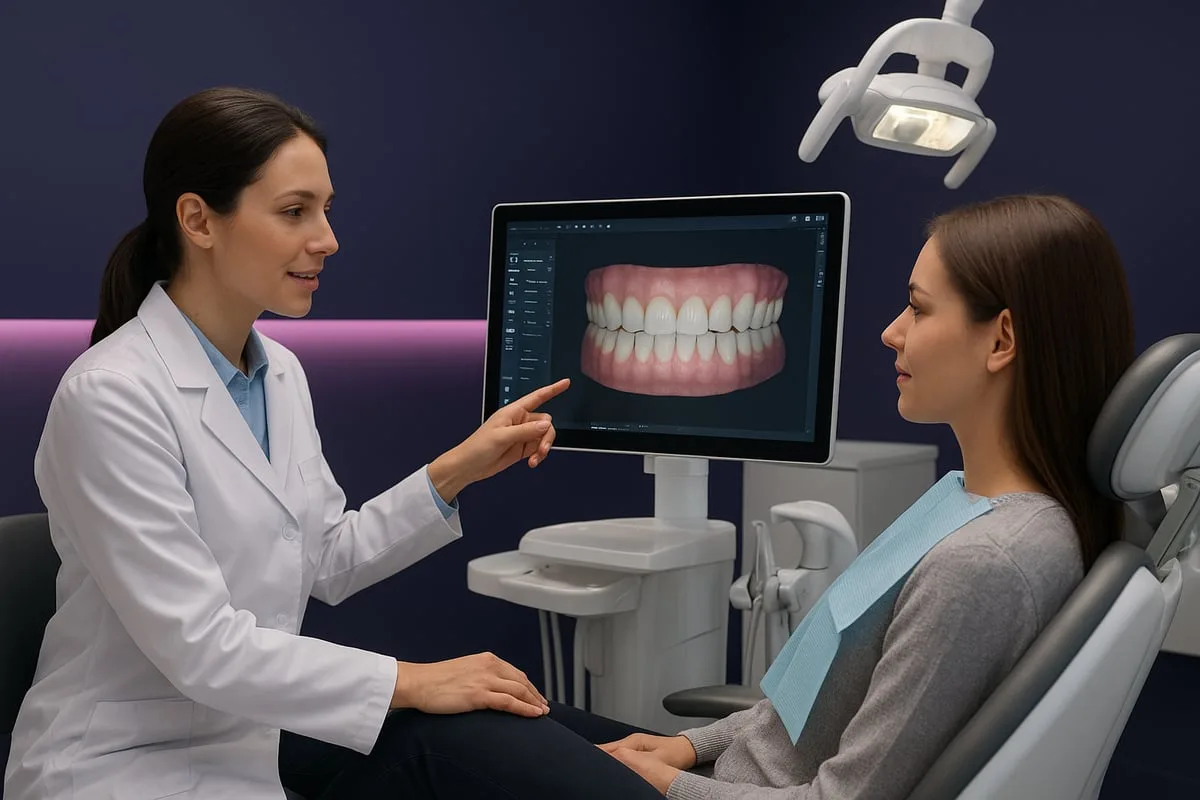
During this visit, you will discuss your cosmetic goals and expectations. The dentist may use digital smile design software to map out the changes, allowing you to preview your new look virtually. Precise markings are made on the teeth to guide the reshaping process. This personalized approach ensures teeth contouring delivers results tailored to your unique smile.
Step 2: Preparation and Safety Measures
Before starting the actual teeth contouring, safety and comfort are priorities. The dental team prepares the treatment area, following strict sterilization and infection control protocols.
Advanced tools such as sanding drills, lasers, or abrasive strips are selected based on your needs. Most patients do not require anesthesia, as the enamel lacks nerve endings. If lasers are used, protective eyewear is provided to prevent any risk. These measures ensure that teeth contouring is safe, controlled, and as comfortable as possible.
Step 3: The Reshaping Process
The core of teeth contouring involves the careful removal of small amounts of enamel. Using precision instruments, the dentist gradually shapes the targeted areas, focusing on symmetry and balance.
Multiple tools may be used, such as fine sanding discs for edges or abrasive strips for sides. Throughout the process, the dentist checks progress to avoid over-removal and maintain tooth strength. For example, smoothing between slightly overlapping teeth can create a more uniform appearance. Teeth contouring is a highly targeted procedure, designed to enhance your natural smile.
Step 4: Smoothing and Polishing
After the main reshaping, attention turns to smoothing and polishing the teeth. This step ensures a natural, glossy finish and a comfortable bite.
The dentist checks your bite alignment and overall smile aesthetics before making any final adjustments. You will have the opportunity to see immediate before-and-after results, with minor tweaks made as needed for perfection. Teeth contouring concludes with a polished, refined look that feels as good as it appears.
Step 5: Immediate Post-Procedure Care
Once teeth contouring is complete, your dentist will rinse and clean your mouth. You will receive aftercare instructions tailored to your situation.
Patients can usually resume normal activities right away, though mild sensitivity to temperature may occur. It is recommended to avoid very hot or cold foods for the first 24 hours. Teeth contouring requires minimal recovery, making it an appealing choice for those seeking fast, noticeable improvements.
Innovations in Teeth Contouring for 2026
The field of teeth contouring has advanced rapidly, with digital technology leading the way. Dentists now use AI-powered imaging for precise planning and outcome prediction.
Laser contouring offers enhanced accuracy and reduced discomfort, while 3D-printed guides enable ultra-precise enamel removal. Virtual consultations and remote aftercare monitoring are increasingly common. For a deeper look at the digital advances shaping this procedure, explore this shape-preserving tooth segmentation study, which highlights how modern imaging supports safer, more predictable results in teeth contouring.
Cost of Teeth Contouring in 2026: What to Expect
Curious about what you might pay for teeth contouring in 2026? Costs can vary widely, so understanding the factors involved will help you plan your investment in a better smile. Let’s break down the latest pricing trends, what affects the final bill, and how you can get the most accurate estimate for your needs.
National and Regional Cost Averages
The average cost of teeth contouring in the United States was $215 per tooth in 2024, but prices can range from $142 to $435 depending on where you live. For example, California averages $298 per tooth, Hawaii sits even higher at $360, and New Jersey comes in at $257. These numbers reflect both urban and rural differences. For more detailed cost breakdowns, you can check the teeth contouring cost statistics provided by CareCredit.
Here’s a quick overview:
| Region | Average Cost (per tooth) |
|---|---|
| National Avg | $215 |
| California | $298 |
| Hawaii | $360 |
| New Jersey | $257 |
Location plays a major role in what you’ll pay for teeth contouring, so always compare local prices.
Factors Influencing Pricing
Several elements impact the final cost of teeth contouring. The number of teeth being reshaped is a primary factor, as treating more teeth will naturally increase your total. The complexity of the case also matters; intricate adjustments or difficult-to-reach areas can require more time and expertise.
Technology used at your dental clinic, such as lasers or digital planning tools, may add to the expense. The experience and reputation of your dentist can influence fees as well. If you combine teeth contouring with other cosmetic procedures like bonding or whitening, expect the total price to rise.
For example, patients opting for both contouring and orthodontics will see higher costs due to the expanded scope of treatment.
Insurance Coverage and Financing Options
Teeth contouring is considered a cosmetic procedure, so most dental insurance plans do not cover it. However, exceptions exist if the procedure is medically necessary, such as repairing teeth damaged by trauma or as part of a health-focused treatment plan.
Before moving forward, always confirm with your insurance provider. Many dental clinics offer financing options like dental credit cards, monthly payment plans, or membership programs to help manage costs. Popular solutions include CareCredit and similar services, making teeth contouring more accessible for patients who need flexible payments.
If insurance isn’t available, these financing options can make the investment more manageable.
Comparing Teeth Contouring to Alternative Treatments
When weighing your options, it helps to compare teeth contouring with other cosmetic dental treatments:
| Procedure | Average Cost (per tooth) | Invasiveness | Best For |
|---|---|---|---|
| Teeth Contouring | $215 | Minimal | Minor shape corrections |
| Dental Bonding | $300–$600 | Moderate | Chips, gaps, discoloration |
| Veneers | $900–$2,500 | Invasive | Severe imperfections |
| Orthodontics | $3,000–$7,000 (full) | Extensive | Alignment issues |
Teeth contouring is less expensive and less invasive than veneers or orthodontics but is only suitable for minor corrections. For multiple or severe imperfections, veneers or bonding may be the better choice.
How to Get Accurate Cost Estimates
To get a precise quote for teeth contouring, schedule an in-person consultation with a qualified cosmetic dentist. Dentists will assess your needs and provide a personalized breakdown based on your treatment plan.
Many clinics offer online calculators or smile estimators for preliminary pricing, but these should only serve as a starting point. Always request an itemized cost estimate so you understand every charge. Consider the long-term value and any potential maintenance costs, as a well-executed procedure can save you money over time.
Azure Dental, for example, provides a Smile Estimator Calculator to help you plan your investment before your visit.
Safety, Risks, and Long-Term Considerations
Teeth contouring is increasingly popular for creating natural, beautiful smiles with minimal intervention. Understanding the safety, potential risks, and what to expect long-term is vital before deciding if teeth contouring is right for you.
Is Teeth Contouring Safe?
When performed by an experienced dentist, teeth contouring is considered very safe. The procedure involves removing only a small amount of enamel, which does not contain nerves, so discomfort is minimal and anesthesia is rarely needed.
Dental professionals use precise instruments and digital imaging to ensure safety. The risk of infection is low, especially when sterile tools and proper protocols are followed. However, if too much enamel is removed, the tooth can become vulnerable, so expertise is crucial.
Remember, teeth contouring is a permanent procedure since enamel cannot regenerate. This is why choosing a qualified provider is key to achieving a safe and successful result.
Potential Risks and Side Effects
Although teeth contouring is minimally invasive, it carries certain risks. The most common side effect is temporary tooth sensitivity, particularly to hot or cold foods and drinks. This usually resolves within a few days.
Other potential risks include:
- Increased sensitivity if too much enamel is removed
- Greater risk of tooth fragility
- Rarely, risk of breakage or decay if enamel is over-reduced
- Reappearance of issues if underlying problems, like teeth grinding, are not addressed
Proper assessment and careful technique minimize these risks, making teeth contouring a safe option for many people.
Preventing Complications
To prevent complications from teeth contouring, always seek treatment from a skilled cosmetic dentist. Never attempt DIY tooth reshaping, as this can lead to lasting damage and increased sensitivity.
Key prevention tips include:
- Follow all pre- and post-procedure instructions
- Schedule regular dental checkups to monitor your results
- Ensure your dentist uses advanced imaging and sterilized tools
For more information on professional standards and safe cosmetic dental procedures, visit Cosmetic Dentistry in Liverpool.
Adhering to expert guidance will help you enjoy the benefits of teeth contouring with peace of mind.
Long-Term Outcomes and Maintenance
Teeth contouring delivers lasting results, but maintaining your new smile requires good oral hygiene. Brush and floss daily, and use fluoride toothpaste to protect the remaining enamel.
Avoid habits that can damage your teeth, such as chewing on hard objects or neglecting regular cleanings. If you grind your teeth at night, discuss protective solutions with your dentist to preserve your contoured teeth.
Routine dental visits ensure your teeth remain healthy and your smile stays beautiful for years to come. With proper care, teeth contouring can be a safe and effective way to achieve the smile you desire.
Recovery, Aftercare, and Maintaining Your New Smile
Caring for your teeth after a teeth contouring procedure is crucial for ensuring long-lasting results and a healthy, radiant smile. With proper aftercare and maintenance, you can enjoy the benefits of your treatment while minimizing risks or complications. Here’s what you need to know about recovering from teeth contouring and keeping your smile in top shape.
Immediate Aftercare Tips
After teeth contouring, you can return to your daily routine right away, but a few simple steps will help your teeth adjust comfortably. Mild sensitivity is common for a day or two as your enamel settles. To support a smooth recovery, keep these best practices in mind:
- Rinse your mouth with lukewarm water after the procedure.
- Use a soft-bristled toothbrush and non-abrasive toothpaste.
- Avoid very hot or cold foods and drinks for the first 24 hours.
- Refrain from hard or sticky foods that could stress reshaped teeth.
If you notice any unusual discomfort, contact your dentist promptly. Following these tips helps maintain the smooth finish achieved with teeth contouring.
Oral Hygiene and Maintenance
Good oral hygiene is essential for protecting your investment in teeth contouring. Brushing and flossing regularly will keep your contoured teeth free of plaque and looking their best. Follow these maintenance habits:
- Brush twice daily with fluoride toothpaste.
- Floss carefully to remove debris between teeth.
- Schedule regular dental checkups and professional cleanings.
- Limit foods and drinks that stain, such as coffee and red wine.
- Avoid smoking, which can discolor enamel and affect healing.
Routine care not only preserves the results of teeth contouring but also supports your overall oral health.
Protecting Your Contoured Teeth
Teeth contouring refines the shape of your enamel, so it’s important to avoid habits that might cause chips or damage. Take these precautions to safeguard your new smile:
- Do not bite down on hard objects like ice or pens.
- If you grind your teeth at night, ask your dentist about a night guard.
- Wear a protective mouthguard during sports or physical activities.
- Avoid using your teeth as tools to open packages.
Discuss any concerns about bruxism or tooth protection with your dental provider to ensure your contoured teeth stay strong and beautiful.
When to Contact Your Dentist
While most patients experience a smooth recovery after teeth contouring, it’s wise to stay alert to any signs that require professional attention. Reach out to your dentist if you experience:
- Sensitivity that persists beyond a few days.
- Discomfort, sharp edges, or visible chips.
- Questions about further cosmetic improvements.
- Concerns about bite or changes in tooth alignment.
For more guidance on post-procedure care or other dental topics, you can explore the Frequently Asked Dental Questions resource. Prompt communication with your dentist ensures any issues are addressed early, helping you maintain your confident new smile.
Frequently Asked Questions About Teeth Contouring
Curious about teeth contouring? Below, you will find answers to the most common questions patients ask before considering this cosmetic dental procedure.
How long do teeth contouring results last?
Results are permanent, as enamel removal is irreversible. With good oral hygiene and regular checkups, your new smile will last for years.
Is the procedure painful?
No. Teeth contouring is pain-free because the enamel contains no nerves, so anesthesia is rarely needed.
Can teeth contouring fix crooked teeth?
It can correct minor overlaps or uneven edges, but it will not substitute for orthodontic treatments in cases of significant misalignment.
What if I want additional cosmetic work?
Teeth contouring can be combined with bonding or whitening. Many patients explore Smile Makeover Success Stories to see real-life results from combining treatments.
Will my insurance cover teeth contouring?
Most insurance plans do not cover cosmetic treatments unless medically necessary, such as after dental trauma.
How soon can I eat or drink after the procedure?
You may eat or drink immediately, but avoid very hot or cold foods for the first day to prevent sensitivity.
Can teeth contouring be reversed?
No. Enamel does not grow back, so changes are permanent.
Are there innovations in teeth contouring?
Yes, digital imaging and research like ToothForge: Dental shape generation research are shaping the future of personalized dental procedures.
If you have more questions about teeth contouring, consult your dentist for personalized advice.
If you’re considering teeth contouring to achieve a more balanced, confident smile, you’re not alone—many people are looking for safe, minimally invasive ways to enhance their appearance in 2026. At Azure Dental, we understand how important it is for you to feel comfortable and informed before making any decisions about your smile. That’s why we offer a free virtual consultation, where you can discuss your goals, get expert advice, and explore your personalised treatment options—all from the comfort of home. Ready to take the next step toward your best smile? Free Virtual Consultation